Tag Archives: vegetarian

Roasted vegetable and chickpea bowls

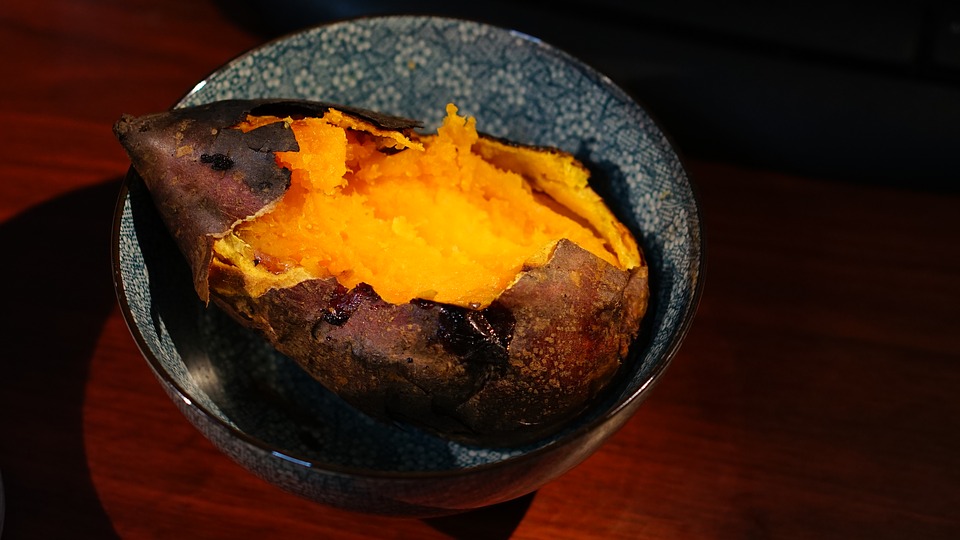
I LOVE PAINLESS ONE DISH COOKING!!!sweet-potatoes-742283_960_720
sheet pan roasted vegetable and chickpea bowls  

Prep Time: 20 mins

Cook Time: 40 mins   

Yield: 4

INGREDIENTS

  • 1 medium sweet potato, peeled and small diced
  • 1 red bell pepper, diced
  • 2-3 cups small broccoli florets
  • 1/2 large red onion, roughly chopped
  • 1 (15 oz) can chickpeas, rinsed and drained
  • 1 tablespoon olive oil
  • 1 teaspoon salt
  • 1/2 teaspoon black pepper
  • 1/2 teaspoon curry powder
  • 1/2 teaspoon paprika
  • 1/2 teaspoon ground cumin
  • 2 cups cooked quinoa or your favorite grain
  • Optional toppings: tahini, lemon wedges, fresh parsley

INSTRUCTIONS

  1. Pre-heat oven to 400 degrees F.  
  2. Place all vegetables and chickpeas onto your sheet pan and drizzle with olive oil, salt, pepper, curry powder, paprika, and cumin.
  3. Roast vegetables until sweet potato is tender and other vegetables are browned and caramelized, 35-45 minutes—- stirring once or twice
  4. My new favorite seasoning is “everything but the bagel” and I use that often in place of the curry powder, paprika and cumin.   
  5. I ALSO DO A FRIDGE CLEAN OUT WITH ALL THE VEGGIES I CAN LAY MY HANDS ON AND BLACK BEANS (RINSED) WITH TACO SEASONING
  6. This meal is open to so many interpretations…so go for it!!

Vegetarian Penne Pasta with Butternut Squash, Mushrooms, Scallions, and Goat Cheese

(Makes 4-6 servings; recipe created by Kalyn.)

Ingredients

  • 8 oz. brown Crimini Mushrooms (also called Baby Bellas or Baby Portobellas)
  • 1 T + 1 T olive oil
  • 1 lb butternut squash, cut into pieces about 3/4 inches square (they don’t all need to be the same size and shape)
  • 1/2 tsp. Vege-Sal or salt plus freshly ground black pepper to taste, to season the squash as it cooks
  • 2 cups Penne or other similar pasta shape (I used Dreamfields Penne, which is a low-carb pasta)
  • 1/2 cup diagonal sliced scallions (green onions), green part only
  • generous amount salt for pasta cooking water, at least 1 tsp. (The pasta doesn’t absorb all that salt, but it will taste flat without it.)
  • 2 oz. goat cheese, or slightly more (You can use Feta if you’re not a fan of the more pungent goat cheese.)
    freshly-grated Parmesan for serving, optional

Directions

Cut the Butternut squash into cubes (or buy the precut if you wish)

Wash the mushrooms and cut into thick slices. Heat 1 tablespoon olive oil in a large non-stick frying pan over medium-high heat, add mushrooms, and saute until they’re nicely browned, about 6-8 minutes. While mushrooms cook start the pasta water boiling. adding a generous amount of salt, and measure out 2 cups of pasta. Cut the butternut squash into cubes about 3/4 inches square or slightly larger.

When the mushrooms are nicely browned, remove them to a bowl. Add the other tablespoon of olive oil and when it’s hot add the butternut squash and cook, turning every few minutes, until the squash is nicely browned and cooked through, about 10 minutes. Season squash with the Vege-Sal (or salt) and freshly ground black pepper as it cooks. (Depending on how hot your stove is, you may need to turn the heat to medium.) Add the pasta to the boiling water when you start cooking the squash. Cook pasta 10 minutes from the time it comes to a boil.

While the squash cooks, diagonally slice the scallions and measure out 2 oz. goat cheese. When the squash is browned and cooked through, add the mushrooms back into the frying pan, along with any accumulate liquid. Turn heat to low to keep it warm without cooking more.

When the pasta is cooked to al-dente (still slightly chewy), scoop out 1/2 cup pasta cooking water and then drain pasta into a colander placed in the sink.  Put drained pasta back into the pot you cooked it in, stir in the goat cheese, and let it melt for about a minute.  Add some of the pasta water, as much as you need to feel like the cheese had made kind of a sauce.  When cheese is melted, gently stir the cheese-coated pasta into the squash and mushrooms. (You can add the rest of the pasta water at this point if you think you need it; I thought it was “saucy” enough without any more water.)  Gently stir in sliced scallions and serve hot, with Parmesan cheese to add at the table if desired.

Vegetable Salad with Black Beans

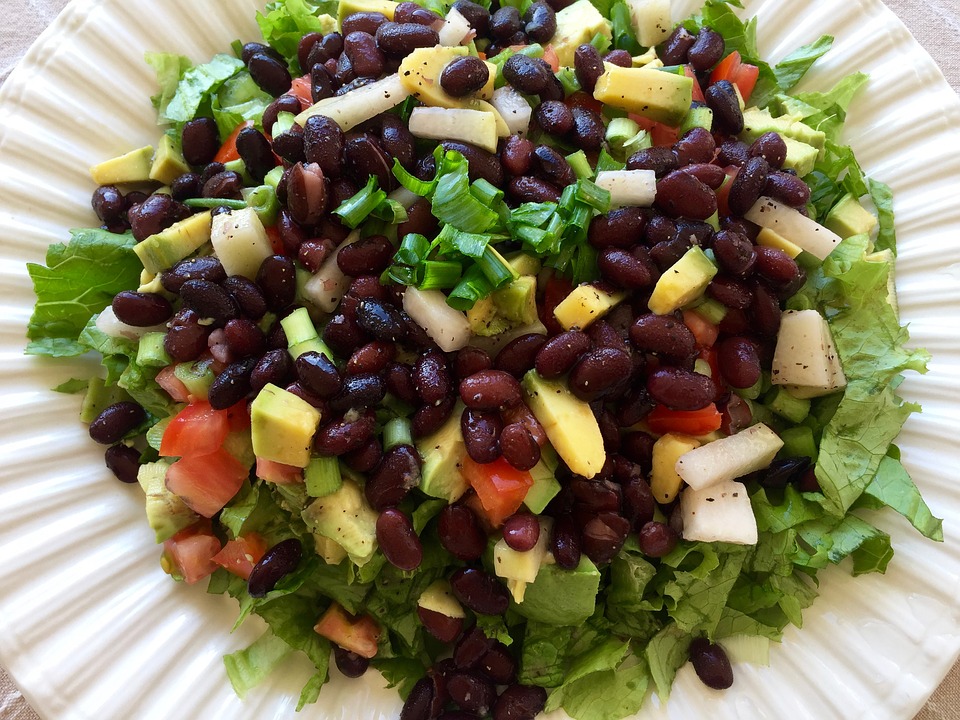
End of summer vegetable salad with black beansVegetable Salad with Black Beans

serves 4-6

This Loaded Summer Vegetable and Black Bean Salad is a perfect way to use all that fresh summer produce that needs to be eaten!  It’s great as a side dish or with chips!

Ingredients for Vegetable Salad with Black Beans

  • 3 teaspoons olive oil, divided
  • 1 small zucchini, diced
  • 1 small summer squash, diced
  • 1 (15 ounce) can black beans,
  • 1 cup cooked corn kernels
  • 1 pint cherry tomatoes, sliced in half
  • 1 small orange bell pepper, diced                  Vegetable Salad with Black Beans
  • 1 clove garlic, minced
  • 1 medium avocado, pitted and diced
  • 1/3 cup diced red onion
  • 1 large handful fresh cilantro
  • Juice of 1 lime
  • 1 teaspoon cumin
  • 1 teaspoon chili powder
  • Salt
  • Black Pepper

Directions for Vegetable Salad with Black Beans

  1. Heat a large skillet over medium heat and add 1 teaspoon olive oil and diced zucchini and summer squash.  Season with salt and pepper and cook until tender and browning, 10 minutes.  Let cool for about 5-7 minutes.
  2. In a large bowl add the cooled zucchini and squash, black beans, corn and all the remaining veggies.
  3. Top with 2 teaspoons olive oil, lime juice, cumin, chili powder and salt and pepper to taste.  Mix until everything is combined.  Enjoy with as a dip for chips or as a side dish!

If you’re making this salad ahead of time, wait until serving to add the avocado.  Salad will stay good in the refrigerator for 2-3 days.

ANTIBIOTIC-RESISTANT BACTERIA FOUND IN 75% OF SUPERMARKET MEAT

This article originally appeared here.

Superbug Bacteria in Supermarket Meatbacteria
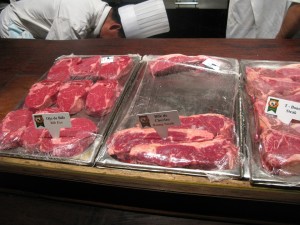
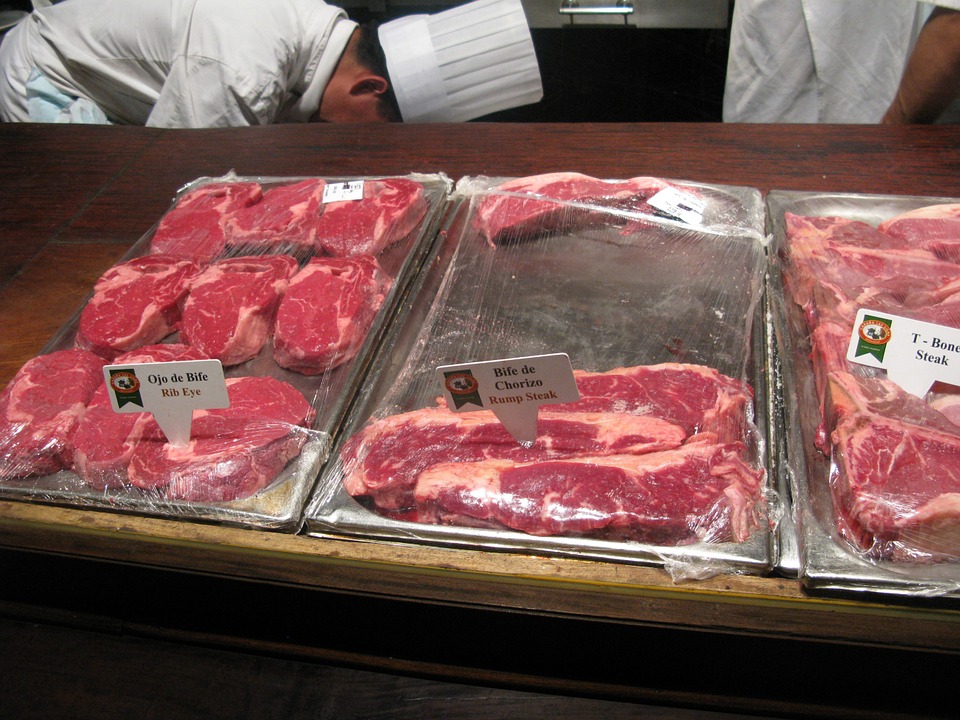
Roughly 75 percent of the meat sold at grocery stores in the United States contains antibiotic-resistant bacteria, aka superbugs, according to a new report by the Environmental Working Group, a consumer advocacy and research nonprofit.

Sound familiar? EWG first warned of these superbugs—and the serious public health threat they pose—in 2013. Not only does the problem persist, the prevalence of superbugs in pork chops and ground beef has actually increased. That’s in large part because factory farms continue to abuse antibiotics, says Dawn Undurraga, EWG nutritionist and author of the report. Producers feed the drugs to farm animals not to treat bacterial infections but to promote growth, prevent disease, and compensate for cramped, unsanitary living conditions.

“Penicillin is the second most used type of antibiotic on the farm, even though the World Health Organization has designated penicillins as ‘critically important’ antibiotics for use in human medicine,” notes Undurraga. “The type of penicillin that is used on the farm, amoxicillin, is the same one we give to our kids to treat ear and respiratory infections. It’s the No. 1 antibiotic given to kids each year, and we’re squandering it by using it on the farm.”

Why is this so dangerous?bacteria

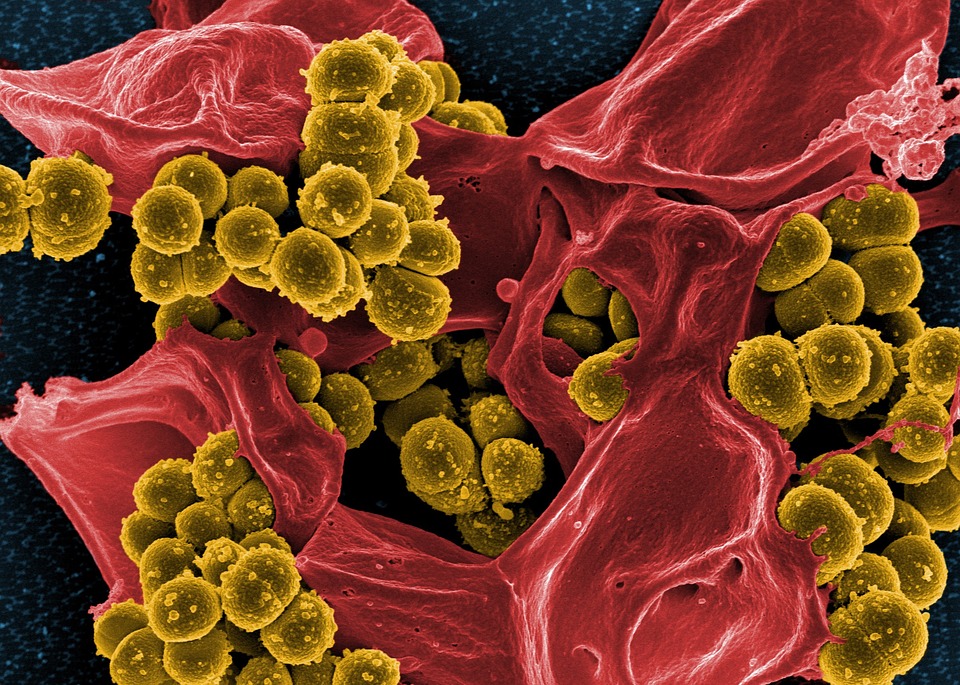
In fact, the vast majority of antibiotics sold in the U.S. are given to farm animals, not people. Why is this so dangerous? Antibiotics typically kill most bacteria, but not all, leaving behind antibiotic-resistant superbugs that can spread foodborne illnesses and other diseases—all while transferring their antibiotic-resistance genes to their offspring and to other bacteria in the environment, creating even more superbugs. This in turn can lead to antibiotics losing effectiveness and infections becoming harder to treat. The Centers for Disease Control estimate that antibiotic-resistant bacteria infect more than 2 million people every year and cause at least 23,000 of them to die.

While the Food and Drug Administration introduced a plan in 2013 urging pharmaceutical companies to stop selling antibiotics for the use of growth promotion in farm animals, Undurraga stresses the need to do more: The latest statistics show that 87 percent of the bacteria found on ground turkey products are resistant to tetracyclines, a type of antibiotic that’s used to treat human ear infections, bronchitis, pneumonia, urinary tract infections, chlamydia, and more. One in five strains of salmonella found on grocery store chicken are resistant to amoxicillin, which, in addition to being prescribed annually to more than 18 million children, is one of the only antibiotics available to treat salmonella poisoning in pregnant women.

Take up the Fight Against Antibiotic Resistance

Taking up the fight against antibiotic resistance in your own daily life can be as simple as avoiding unnecessary use of antibiotics and, even better, transitioning to a whole-food, plant-based diet. However, you’ll still be at risk for picking up superbugs (which can get transported off farms via meat, farm workers, soil, air, or water) until there’s a significant policy change: “Despite growing awareness, the FDA has chosen to bury its head in the sand; it has not issued any rules to deter the industry, instead opting for voluntary guidance,” says Undurraga, who advocates for the World Health Organization recommendations to get medically important antibiotics off of factory farms. “Other developed countries such as Sweden, Denmark, and the United Kingdom have successfully banned nonessential farm use of various antibiotics, and there is no reason that the U.S. could not do the same.”

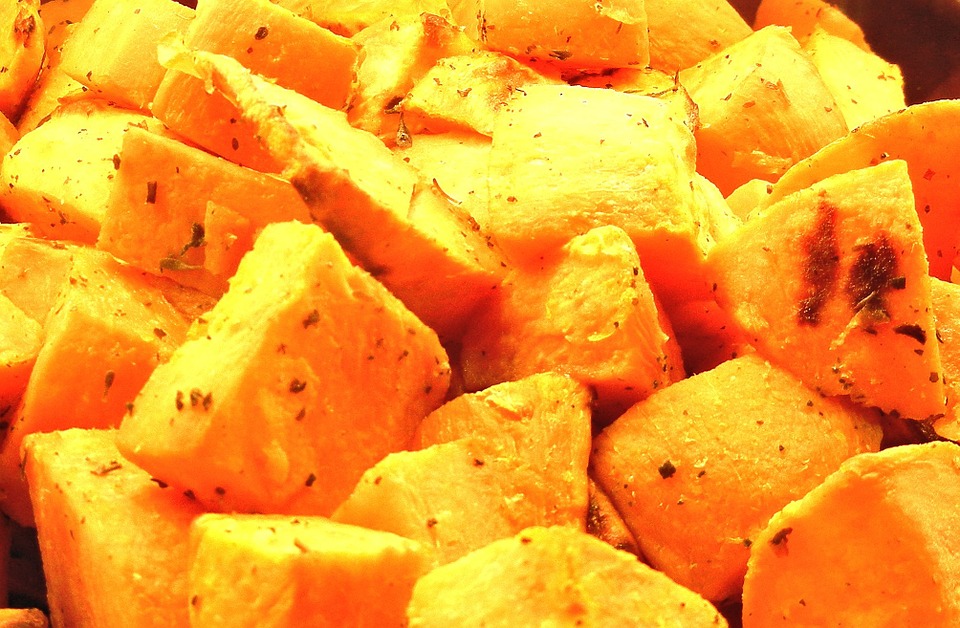
VEGETARIAN CAULIFLOWER LASAGNA

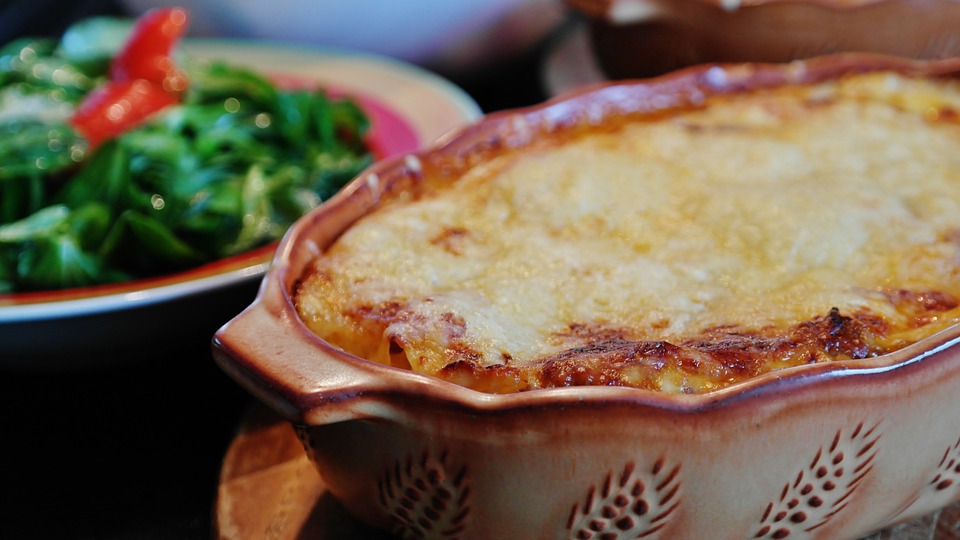
VEGETARIAN CAULIFLOWER LASAGNAVEGETARIAN CAULIFLOWER LASAGNA

Cauliflower is the star in this healthy lasagna, appearing in two roles-once when it’s blended into the ricotta cheese filling for texture, and a second time when it’s roasted and used in place of the traditional meatballs or sausage…

Ingredients   [ For 7 to 8 people ]    [   Preparation time : 22 minute  –  Cooking time : 35 minutes  ]

  • 8 cups cauliflower florets (from 1 head cauliflower; about 2 1/2 lbs)
  • 2 Tbsp olive oil, plus more for coating the lasagna noodles
  • Kosher salt
  • 1 (28-oz) can no-salt-added whole plum tomatoes
  • 5 cloves garlic, 4 sliced and 1 chopped
  • 1 large red bell pepper, diced
  • 2 Tbsp tomato paste
  • 1 cup fresh basil leaves
  • 8 oz whole-wheat lasagna noodles (about 10 noodles)
  • 1 cup part-skim ricotta
  • 1 large egg
  • 1 cup shredded part-skim mozzarella
  • ¼ cup grated Parmesan
  • 2 Tbsp fresh flat-leaf parsley leaves, chopped

Preparation Method

  1. Preheat the oven to 425ºF.
  2. Toss the cauliflower in a bowl with 1 tablespoon of the olive oil and 1/2 teaspoon salt.
  3. Spread the florets in an even layer on a baking sheet and roast, tossing once, until tender and golden brown in spots, 30 to 35 minutes. Cool slightly.
  4. Put the tomatoes in a medium bowl and use your hands to crush them.
  5. Rinse the can with 1 1/2 cups water and add it to the bowl of tomatoes.
  6. Heat the remaining tablespoon of oil with 4 cloves sliced garlic and 1/2 teaspoon salt in a small Dutch oven over medium heat until the garlic begins to sizzle and becomes aromatic about 2 minutes.
  7. Add the bell pepper and cook, stirring, until soft, about 8 minutes.
  8. Add the tomato paste and stir to incorporate, about 30 seconds.
  9. Add the crushed tomatoes with their juice and 4 large leaves of basil.
  10. Bring to a boil, reduce the heat and simmer, stirring occasionally, until the sauce is thickened, about 40 minutes.
  11. You should have about 3 3/4 cups of sauce.
  12. Meanwhile, bring a large pot of water to a boil. Drop the lasagna noodles one at a time into the pot.
  13. Cook according to the package directions until al dente. Drain the noodles in a colander.
  14. Add 1 to 2 teaspoons oil to the noodles, tossing to coat to prevent them from sticking, and drape over the side of a large bowl.
  15. Combine the ricotta, egg, 1 1/2 cups of the roasted cauliflower and 1 chopped clove garlic in a food processor and pulse until evenly pureed.
  16. Tear the remaining basil into small pieces, add to the food processor and pulse 3 to 4 more times to chop the basil finely, but not puree.
  17. Transfer the mixture to a medium bowl.
  18. Assemble the lasagna: Spread a thin layer of sauce (around 1/4 cup) on the bottom of a 9-by-13-inch baking dish.
  19. Lay 4 of the noodles on the bottom, without overlapping, cutting to fit, if necessary.
  20. Spread with half of the cauliflower-ricotta mixture, followed by half of the roasted cauliflower, one-third of the tomato sauce, one-third of the mozzarella and one-third of the Parmesan. Loosely fit 3 more noodles on top of the cheese without overlapping.
  21. Spread with the remaining cauliflower-ricotta mixture, followed by the remaining roasted cauliflower, one-third more of the tomato sauce, one-third more of the mozzarella and one-third more of the Parmesan.
  22. Top with the remaining 4 lasagna noodles, cutting just to fit.
  23. Then add the remaining tomato sauce, mozzarella and Parmesan.
  24. Cover with foil and bake until bubbly and hot, about 20 minutes.
  25. Remove the foil and cook until the cheese begins to brown, about 10 minutes more.
  26. Allow to rest for 10 minutes so the lasagna will cut more easily. Garnish with the parsley.

ROASTED SPRING VEGETABLE FARRO BOWLS WITH THAI GREEN CURRY PESTO

   6-8 servings

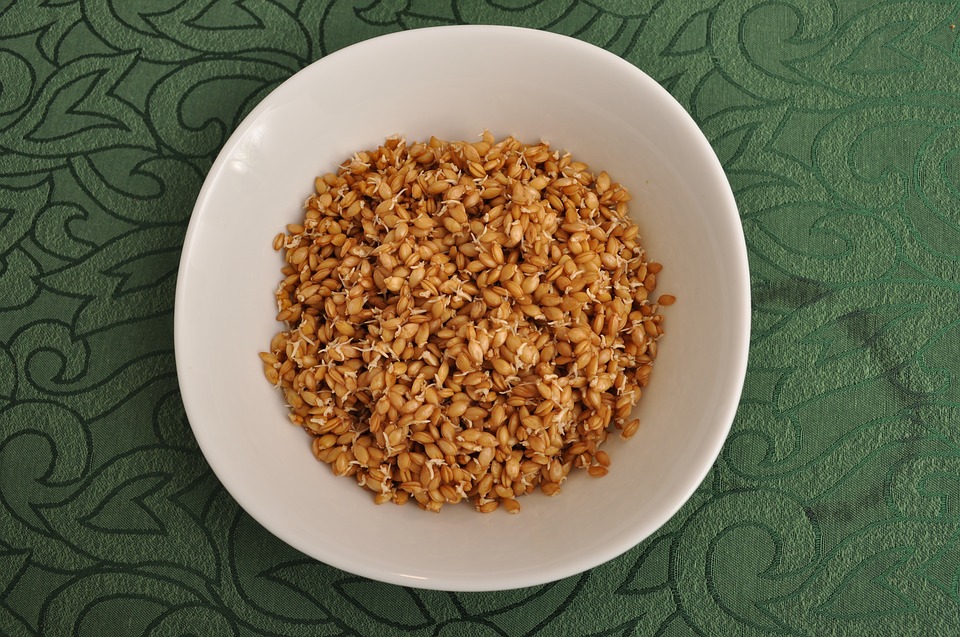
(FARRO is an ancient grain and I find in Meijer in the rice aisle)farro

Substitute orzo or brown rice if you wish (use appropriate cooking time and water)

  • 1 1/2 cup farro
  • 3 cups water
  • Salt to taste
  • 1 Tbsp. Virgin Olive Oil
  • 1 bunch asparagus, trimmed and cut into 1” pieces
  • 2 zucchinis, trimmed, quartered lengthwise and cut into 1/2”
  • 1 pint cherry tomatoes, quartered
  • 8 oz. fresh mozzarella pearls

For the dressing:

  • 3 cups loosely packed basil
  • 2 cloves garlic
  • 2 Tbsp. pine nuts/walnuts
  • 2 Tbsp. Thai green curry paste
  • 2 Tbsp. Organic Red Wine Vinegar
  • 1/3 cup Extra Virgin Olive Oil
  • Salt & black pepper to taste
  1. Preheat oven to 400*F.
  2. In a medium pot, combine the farro, water and a pinch of salt. Bring to a boil over high heat. Reduce heat to low and simmer until farro is cooked through and water has evaporated, about 20 minutes. Remove from the heat and set aside.
  3. Toss together the  Olive Oil,asparagus and zucchini in a large bowl. Add salt and pepper to taste. Spread on a parchment-lined baking sheet and roast for 15-20 minutes, or until tender and starting to brown. Remove from oven.
  4. In a large salad bowl, toss together the cooked farro, roasted vegetables, cherry tomatoes and mozzarella.
  5. To make the dressing, combine the basil, garlic, pine nuts and green curry paste in the bowl of a food processor. Pulse until broken down into tiny pieces. With the mixture running, stream in the Vinegar and the  Olive Oil.Add salt and black pepper to taste.
  6. Toss the salad with the dressing and serve warm or at room temperature.

Author: Eats Well With Others

Roasted stuffed sweet potatoes with chipotle quinoa

Ingredientsroasted stuffed sweet potatoes


  • 4 sweet potatoes
  • 1 tbsp avocado oil (or vegetable oil)
  • 1/2 large onion, finely chopped
  • 2 garlic cloves, finely chopped
  • 1 cup quinoa (cooked)
  • 1/2 cup black beans
  • 3 tbsp tomato paste
  • 1/2 cup low sodium vegetable broth (or water works too)
  • 2 tbsp chipotles in adobo, chopped
  • 1 tsp chili powder
  • 1/2 tsp cumin powder
  • salt & pepper to taste
  • 1/2 cup cheese of choice


Quick guacamole roasted stuffed sweet potatoes


  • 1 avocado
  • 2 tbsp lime juice
  • 1 large handful cilantro, chopped
  • salt & pepper to taste


Instructions


  • Preheat the oven to 400 degrees F and line a baking pan with parchment paper.
  • Place the potatoes in the oven and let cook until tender, about 40-50 minutes.
  • While the potatoes cook, prepare the stuffing
  • Heat the avocado oil in a non-stick pan on medium-high heat.
  • Add the onions and let cook on medium heat for 4-5 minutes.
  • Next, add the garlic, quinoa, black beans, tomato paste, vegetable broth, chipotles, chilli powder, cumin powder, salt and pepper and mix all together.
  • Let cook until no liquid is remaining.
  • Once the sweet potatoes are cooked, remove them from the oven, cut in half, and scoop out the potato to make space for the stuffing. (I scoop out about 1/2 the potato and leave the rest)
  • Stuff the potatoes with the quinoa filling and top with  cheese.
  • Place in the oven under the broiler for 1 minute, or back in the oven at 400 degrees for 2-3 minutes, until the cheese is melted.
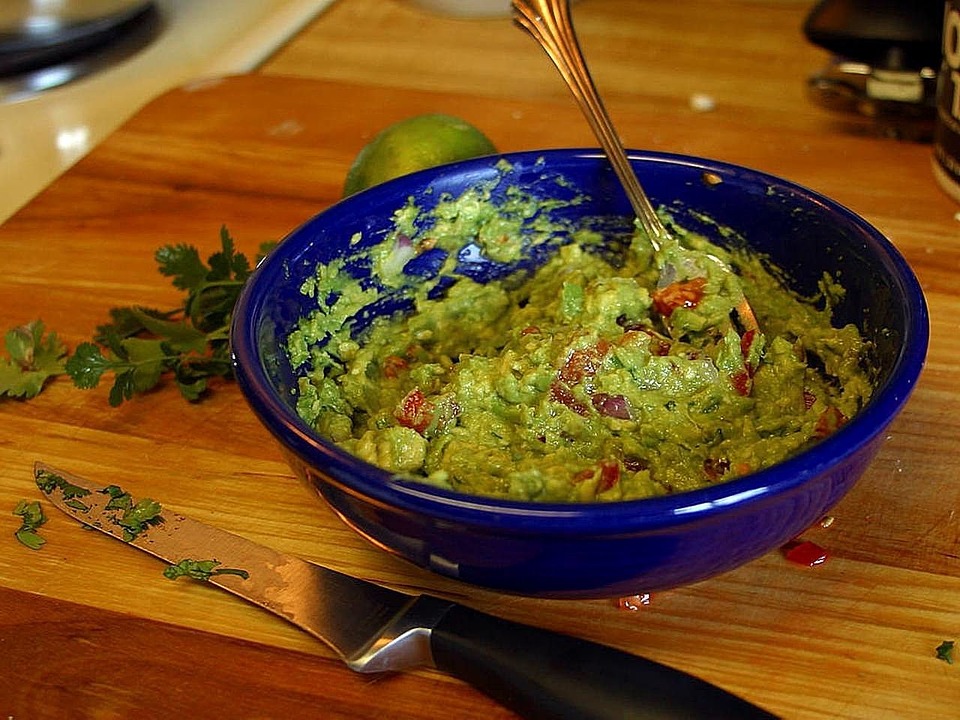
  • To make the quick guacamole, scoop the avocado into a bowl with the lime juice, cilantro, salt and pepper and mash together.
  • Scoop some guacamole on top of each potato to serve.


SPICY CAULIFLOWER NACHOS

Low-Carb Cauliflower Creamed SpinachSERVES 4-6 (GLUTEN FREE)

ABSOLUTELY A NEW FAVE IN THE LANJOPOULOS FAMILY

  • 1 head cauliflower (1 ½ lb/680g)
  • 2 tablespoons neutral oil, melted (e.g. grapeseed, coconut)*
  • 2 tablespoons hot sauce
  • 3 teaspoons onion powder
  • 2 teaspoons paprika
  • 1/4 teaspoon salt
  • 1 bell pepper (orange or red)
  • 1/3 cup purple onion, diced
  • 1 1/4 cup cheddar cheese, shredded
  • 1 tomato, chopped
  • 1-2 jalapeno peppers, sliced
  • For garnish: Avocado, Cilantro

DIRECTIONS

  1. Preheat oven to 425°F. Spray/grease a large ovenproof skillet pan (e.g. 12” cast iron pan).
  2. Cut cauliflower into florets, then put them into a large bowl. Whisk melted coconut oil and hot sauce together. Pour over cauliflower and mix well. Add onion powder and paprika. Stir until evenly coated. Transfer spiced cauliflower to greased skillet pan. Sprinkle with salt.
  3. Place pan in oven and bake for 15 minutes. Flip cauliflower and bake for another 15-20 minutes, until golden brown. Sprinkle bell pepper, purple onion, cheddar cheese, tomato pieces and jalapeno peppers on top of cauliflower. Bake for another 5 minutes, or until the cheese is melted. Top with chopped avocado and cilantro, then serve immediately.

Notes:
*If using coconut oil for savory dishes, you may wish to opt for processed (deodorized) coconut oil. It doesn’t impart the same coconut scent.
**Reduce if you prefer things less spicy. You can always add more hot sauce at the end.

Chickpea and Artichoke One-Pot Wonder

Bliss in a Dish

serves 4-5

Dreena Burton’s Bliss in a Dish (Chickpea and Artichoke One-Pot Wonder) is a hearty and satisfying plant-based casserole. The recipe is a combination of all of our favorite wholesome ingredients, including chickpeas, artichokes, potatoes, tomatoes, red bell pepper, garlic, and olives, that are then tossed with a variety of herbs and baked to perfection. Bring your loved ones to the table with a dish that will fuel them with nutrients and show them how much you care.

  • 2 cups chickpeas, rinsed and drained
  • 2 cups artichoke hearts, quartered
  • 2 cups Yukon gold potatoes, cut into 1″ cubes
  • 1 cup tomatoes, chopped
  • 1 cup red bell pepper, diced
  • 1/3 cup kalamata olives, pitted and sliced in half
  • 2 garlic cloves, minced or grated
  • 3 tablespoons water
  • 2 tablespoons balsamic vinegar
  • 1 teaspoon dried oregano
  • 1 teaspoon dried basil
  • Freshly ground black pepper, to taste
  1. Preheat oven to 400°F.
  2. Place potato cubes in a large pot of water. Cover and bring to a boil, then lower temperature to medium-low and cook for 15-20 minutes or until tender. Drain. (You can also steam potatoes)
  3. Transfer potatoes and other ingredients (except vinegar) into a large bowl and toss to combine.
  4. Place mixture in a large casserole dish and cover with foil. Cook 20 minutes then stir.
  5. Replace foil and cook an additional 20 minutes until potatoes are fully tender and other vegetables are soft.
  6. Add vinegar, stir, then bake an additional 15-20 minutes.   Remove from oven and serve hot.

Pan-Roasted Cauliflower With Garlic, Parsley and Rosemary

serves 4-6Low-Carb Cauliflower Creamed Spinach

  • 2 medium cauliflower heads (about 2 pounds)
  • 3 tablespoons extra-virgin olive oil
  • Salt and black pepper
  • ½ teaspoon crushed red pepper, or to taste
  • 1 teaspoon grated or finely minced garlic
  • ½ teaspoon freshly chopped rosemary
  • ½ cup roughly chopped parsley
  • ½ teaspoon grated lemon zest
  • ¼ cup roasted salted almonds (homemade or store bought), roughly chopped
  • 1 red fresno chile, thinly sliced, for garnish (optional)
  • Lemon wedges, for serving
  1. Cut each cauliflower in quarters and remove the core. Cut quarters into 1/2-inch-thick slices. Chop down wider slices so all are approximately the same jagged size.
  2. Heat olive oil in a heavy wide skillet over medium-high heat. When oil is hot, add cauliflower and toss to coat using a metal spatula or flat wooden spoon. Season generously with salt and pepper.
  3. Keeping heat brisk, repeatedly turn the cauliflower, letting the slices brown as they cook. Adjust heat as necessary to keep them sizzling nicely but not scorching. Continue to stir and flip the cauliflower until it is tender when pierced with a fork, 10 to 12 minutes.
  4. Add crushed red pepper, garlic, rosemary, parsley and lemon zest. Stir well to coat and cook 1 minute more. Check seasoning, then transfer to a serving platter. Sprinkle with almonds and fresno chile, if using, and serve with lemon wedges.