Latest News from Charmaine: September 2018

Greetings all,April 2018

Well, routines are being established again and the fall weather is approaching.  Grand Ledge holds its annual Color Cruise event October 11-14th and, I don’t know about you’ but our social schedules are filling up fast.

What with Quilting (and helping a friend or two to make a quilt) yoga, powerlifting, Zumba and office stuff, I find myself running out of time.

One thing I have really mastered is the idea of doubling up on my cooking so that I can have meals at the ready for the crazy days. I believe if you are cutting 1 onion you might as well do 2 (cuts down on stinky hands)!  I also saw a tip recently, where the author suggested doubling a chili slow cooker recipe and bagging half the ingredients (uncooked) and freezing that for later…genius!!!

Chiropractically, I love that everybody is doing the weekend warrior stuff and getting involved in sports. If I may suggest, please make a point of getting checked regularly to make sure you and yours are in good health to enjoy the wonderful fall ahead of us to the max!

See you in the office, on the table, on the mat or under the barbells.

Couldn’t refuse this giggle…

I had some words with my wife, and she had some paragraphs with me. – Sigmund Freud

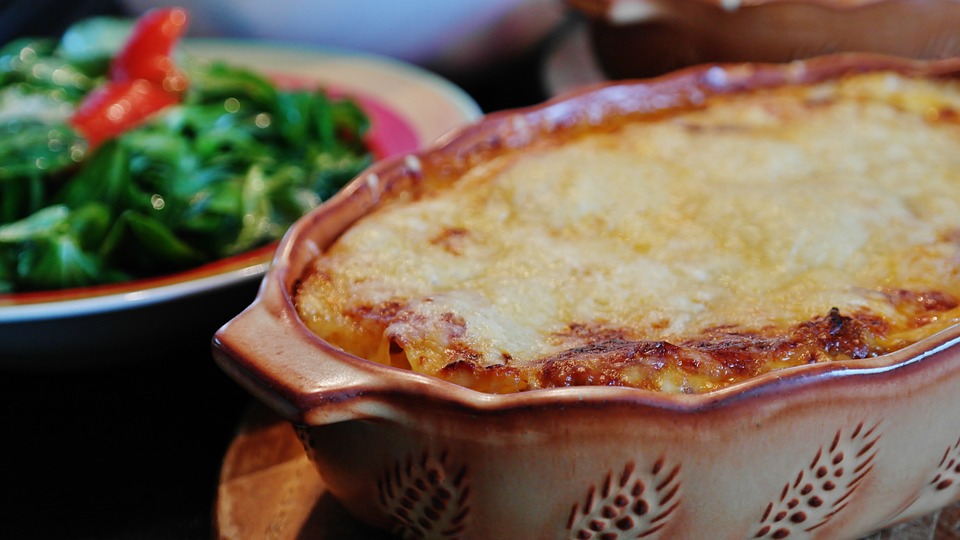
VEGETARIAN CAULIFLOWER LASAGNA

VEGETARIAN CAULIFLOWER LASAGNAVEGETARIAN CAULIFLOWER LASAGNA

Cauliflower is the star in this healthy lasagna, appearing in two roles-once when it’s blended into the ricotta cheese filling for texture, and a second time when it’s roasted and used in place of the traditional meatballs or sausage…

Ingredients   [ For 7 to 8 people ]    [   Preparation time : 22 minute  –  Cooking time : 35 minutes  ]

  • 8 cups cauliflower florets (from 1 head cauliflower; about 2 1/2 lbs)
  • 2 Tbsp olive oil, plus more for coating the lasagna noodles
  • Kosher salt
  • 1 (28-oz) can no-salt-added whole plum tomatoes
  • 5 cloves garlic, 4 sliced and 1 chopped
  • 1 large red bell pepper, diced
  • 2 Tbsp tomato paste
  • 1 cup fresh basil leaves
  • 8 oz whole-wheat lasagna noodles (about 10 noodles)
  • 1 cup part-skim ricotta
  • 1 large egg
  • 1 cup shredded part-skim mozzarella
  • ¼ cup grated Parmesan
  • 2 Tbsp fresh flat-leaf parsley leaves, chopped

Preparation Method

  1. Preheat the oven to 425ºF.
  2. Toss the cauliflower in a bowl with 1 tablespoon of the olive oil and 1/2 teaspoon salt.
  3. Spread the florets in an even layer on a baking sheet and roast, tossing once, until tender and golden brown in spots, 30 to 35 minutes. Cool slightly.
  4. Put the tomatoes in a medium bowl and use your hands to crush them.
  5. Rinse the can with 1 1/2 cups water and add it to the bowl of tomatoes.
  6. Heat the remaining tablespoon of oil with 4 cloves sliced garlic and 1/2 teaspoon salt in a small Dutch oven over medium heat until the garlic begins to sizzle and becomes aromatic about 2 minutes.
  7. Add the bell pepper and cook, stirring, until soft, about 8 minutes.
  8. Add the tomato paste and stir to incorporate, about 30 seconds.
  9. Add the crushed tomatoes with their juice and 4 large leaves of basil.
  10. Bring to a boil, reduce the heat and simmer, stirring occasionally, until the sauce is thickened, about 40 minutes.
  11. You should have about 3 3/4 cups of sauce.
  12. Meanwhile, bring a large pot of water to a boil. Drop the lasagna noodles one at a time into the pot.
  13. Cook according to the package directions until al dente. Drain the noodles in a colander.
  14. Add 1 to 2 teaspoons oil to the noodles, tossing to coat to prevent them from sticking, and drape over the side of a large bowl.
  15. Combine the ricotta, egg, 1 1/2 cups of the roasted cauliflower and 1 chopped clove garlic in a food processor and pulse until evenly pureed.
  16. Tear the remaining basil into small pieces, add to the food processor and pulse 3 to 4 more times to chop the basil finely, but not puree.
  17. Transfer the mixture to a medium bowl.
  18. Assemble the lasagna: Spread a thin layer of sauce (around 1/4 cup) on the bottom of a 9-by-13-inch baking dish.
  19. Lay 4 of the noodles on the bottom, without overlapping, cutting to fit, if necessary.
  20. Spread with half of the cauliflower-ricotta mixture, followed by half of the roasted cauliflower, one-third of the tomato sauce, one-third of the mozzarella and one-third of the Parmesan. Loosely fit 3 more noodles on top of the cheese without overlapping.
  21. Spread with the remaining cauliflower-ricotta mixture, followed by the remaining roasted cauliflower, one-third more of the tomato sauce, one-third more of the mozzarella and one-third more of the Parmesan.
  22. Top with the remaining 4 lasagna noodles, cutting just to fit.
  23. Then add the remaining tomato sauce, mozzarella and Parmesan.
  24. Cover with foil and bake until bubbly and hot, about 20 minutes.
  25. Remove the foil and cook until the cheese begins to brown, about 10 minutes more.
  26. Allow to rest for 10 minutes so the lasagna will cut more easily. Garnish with the parsley.

Marinated Slow Roasted Onions

Marinated Slow Roasted Onionsmarinated onions

Serves 8

Marinade:

  • 1 cup water
  • 1 cup red wine vinegar
  • 2 tbsp brown sugar
  • 1 tsp fresh rosemary chopped
  • 1/2 tsp kosher salt
  • 1/4 tsp black pepper
  • pinch red pepper flakes optional
  • 4 large white or yellow onions (See Note 1)
  • 4 tbsp butter
  • 1 tsp fresh rosemary chopped
  1. Blend marinade ingredients in small bowl and pour into a baking dish that will hold all 8 onion halves. I use 8×8″ baking pan or round 12″ baking stone (pictured) depending on size of onion.
  2. Trim the end of onions and cut horizontal (leaving skin on) and place wide side down in marinade. Marinate overnight covered in refrigerator.
  3. Preheat oven to 400°F. Flip the onions over in the marinade, and lay on the flat bottom of each side. Top each onion with 1/2 tablespoon of butter and remaining teaspoon of rosemary.
  4. Roast in oven for 1 hour or until golden brown, basting once or twice during roasting. Remove from heat, spoon reduced sauce over and sprinkle with parsley or more fresh chopped rosemary. Remove from skins and serve.

Recipe Notes

  1. Trims ends off onions, slice in half horizontally, keeping the skin on to hold shape and protect the outside as it later roasts.

Onion Patties (an alternative to onion rings)

FORGET ONION RINGS!!! TRY THESE ONION PATTIESonion patties

3/4 cup flour                                     1 tablespoon sugar

1 tablespoon cornmeal                     2 teaspoons baking powder

2 teaspoons salt                                3/4 cup milk

2 1/2 cups chopped onions (about 2 small onions)

oil for frying

In a large bowl, mix all dry ingredients, then add milk and stir. This will give you a thick batter.    Add onions and mix until well blended.

Heat 1/2 inch oil in skillet over medium high heat. Drop batter by tablespoons into the hot oil.     Flatten with the back of a spatula, then brown on both sides until crispy, golden brown.   Drain on paper towel, sprinkle salt to taste.

Pro Tip: You can make these even more craveworthy by adding in :1/4 cup green pepper, 1/4 cup cooked mushroom, or sprinkle cheddar on top after you’ve finished cooking. So. Delicious.

Your Brain and Spinal Chord: An Important Connection

Did you realize how important the connection is between your brain and spinal chord?brain and spinal chord

Your brain extends down your back as your spinal cord – a collection of billions of nerves wrapped in a tight bundle.

Messages from your brain travel down nerves through your spinal cord, branch out and reach all your muscles, glands, joints, ligaments and organs. This communication is essential for ideal health.

It’s so important that your spinal cord is surrounded by bones – your spinal column – permitting movement plus providing protection. Sometimes your spinal bones lock up or subluxate and irritate the very nerves they are supposed to protect. The result can be dis-ease or body malfunction.

The goal of your chiropractor is to locate these areas of stress – subluxations – that cause body malfunction, and correct them. DC means more than Doctor of Chiropractic – it means Doctor of Cause.

Strength Training for People My Age

This article originally appeared on StartingStrength.com

by Mark Rippetoe (age 61)

strength training

I was born in 1956. That makes me “old.” Granted, I’m pretty beat up these days. I’ve had my share of injuries, the result of having lived a rather careless active life outdoors, on horses, motorcycles, bicycles, and the field of competition. People my age who have not spent their years in a chair have an accumulation of aches and pains, most of them earned the hard way. And for us, beat up or not, the best way to stay in the game is to train for strength.

The conventional wisdom is that older people (ah, the term sticks in the craw) need to settle into a routine of walking around in the park when the weather is nice, maybe going to the mall for a brisk stroll in the comfort of the air conditioning, or a nice afternoon on the bicycle, checking out the local retirement communities – at a leisurely pace, of course. For the more adventurous, a round of golf really stretches out the legs. Maybe finish up with a challenging game of Canasta. Your doctor will tell you that this is enough to keep the old ticker ticking away, and should you choose to rev the engine like this every day, you’re doing everything you need to do to maintain the fantastic quality of life enjoyed by the other old people at the mall.

Standards, unfortunately, are low. Your doctor often assumes that he’s also your fitness consultant. When you get sick, go to your doctor. When you are deciding what to do to extend your physical usefulness, how about taking a different approach than asking his permission to get up off your ass? How about asking yourself whether your current physical condition is as good as you’d like it to be? If it’s not, what would be the best way to improve it?

I’m pretty sure you know that walking around in the mall – sometimes more accurately referred to as “shopping” – is not capable of making anything change for the better. One of the benefits of being a little older is that most of us have had the opportunity to learn that all major improvements come with a price tag. There Ain’t No Such Thing As A Free Lunch, as an intelligent man once said. Reversing the entropy takes a significant expenditure of energy, and a brisk walk just isn’t significant. Sorry.

A daily brisk walk, or a jog, or even a 9-minute pace for three miles can produce enough cardiorespiratory stress to keep your heart and lungs in pretty good shape, true enough. This, of course, means that it’s not a terribly difficult thing to do. For most doctors and for many of their patients, the calculation stops there. But not dying of a heart attack is really just a small part of the much larger picture of an active life well-lived. You interact with your environment using all the muscles of your body, not just your heart and diaphragm, and strength is the difference between the things you could do when you were 25 and the things you can’t do now.

Strength – as well as a tolerance for childish nonsense – is the thing we all lose as we age. Squatting down, standing back up, putting things overhead, pulling things up the driveway, loading the groceries, wrestling with the grandkids, teaching the dog who’s boss, mowing the yard, putting the broken lawnmower in the truck again: simple physical tasks we took for granted years ago are often problems for older, weaker people, as well as a source of potential injury that can be expensive and debilitating.

For most of us, this happens because of inactivity. If you do not use your muscles to produce enough force to convince them to maintain their ability to do so, it shouldn’t be surprising that they become less capable of doing it. And walking, running, riding a bicycle – physical activities whose performance is not limited by strength for even moderately active people – cannot increase or even maintain strength.

This is important to understand: physical stress followed by sufficient recovery (in theory, the stress shouldn’t kill you) produces adaptation. The adaptation is specific to the stress. That’s why sunshine on your arms makes your arms brown, not your feet; the shovel makes your hands callused, not your face. So running produces better running, not better strength. And if you want to get stronger you have to stress your ability to produce force, since that’s what strength is. Running is good for the heart and lungs, and that’s about all. A proper strength program is good for the heart, lungs, and everything else too.

Even those of us who have trained for strength for decades have noticed a downhill slide in our physical capacity. Our ability to produce power – the ability to produce force quickly and explosively – diminishes with age whether we train it or not. This is due to changes in the motor neurons and the muscles that control the explosive parts of the system, and even training cannot completely halt the process. The ability to react quickly with our bodies – to a loss of balance, a rapid change in position, or a falling jar of mustard – is the way power is displayed in everyday situations. Strength training should involve some explosive work too, but just maintaining strength slows the loss of power capacity.

The loss of strength also means the loss of muscle mass. Muscle tissue is not merely the stuff that generates force and moves us around. Muscles, in a very real sense, are glands that actively participate in the physiological regulation of our bodies. Muscles produce signaling substances that affect all the systems that must be maintained for continued normal functioning. A chronic loss of muscle mass is associated with poor health, and a profound loss of muscle mass is highly correlated with death.

The absence of skeletal loading is typical for older people, since we now hire the heavy work done instead of doing it ourselves. And just like muscles, bones adapt to the “stress” of being unloaded by getting thinner and less dense. Running is not a weight-bearing exercise in the sense that strength training is. It’s just a “you-bearing” exercise, and the impact of repeated footfalls affects only the legs. In fact, people sensitive to impact have far fewer problems with the static nature of barbell training than they do the repeated impacts of running. A barbell sitting on the shoulders or held overhead in the hands loads the skeleton in a way that other exercises cannot do, and a strength training program always results in the preservation of bone density. Coupled with the strength necessary to control your balance, this is the best insurance against the tragic and often fatal hip or pelvic fracture that an older person can acquire.

But the loss of strength can be slowed down quite a bit, and for older people who have never trained before, a vast amount of improvement can take place in a relatively short span of time. I have trained many older competitive “masters” lifters who started out as disinterested gym members and then experienced a sudden change of attitude when their strength doubled with six months of lifting weights. These people will tell you about the difference strength training – not running – has made in their lives..

Being strong is better than not being strong, strength must be prepared for specifically, and physical stress that lacks force production as a limiting factor cannot make you stronger. As you age, your strength goes away, and unless you do something to address this situation, you will be weaker. Much weaker. This is bad. So, make your plans now.

Do I need to see a chiropractor for the rest of my life?

Answer: No, you need a chiropractor only for as long as you’d like to remain healthy.

That might seem like a coy answer but life is constantly giving us stress – whether it be from gravity, emotional issues or toxins in the environment. In order to deal with these stresses, we need to be functioning at our optimum. A balanced body structure, free from nerve pressure (subluxations), is essential for you to live your fullest.

These stresses quietly build up. See your chiropractor for a “stress-release” from subluxations and you and your family will be healthier.

Related: Do chiropractors help with more than just back problems?

chiropractor

The Negative Health Effects of Heavy Backpacks, And How Your Kids Can Avoid Them

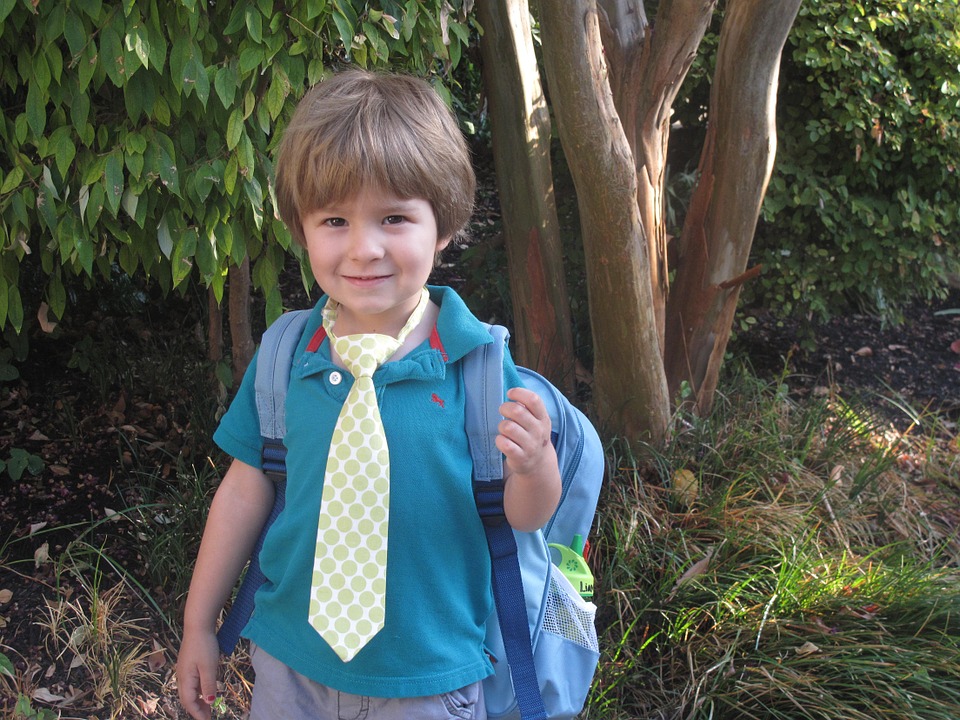
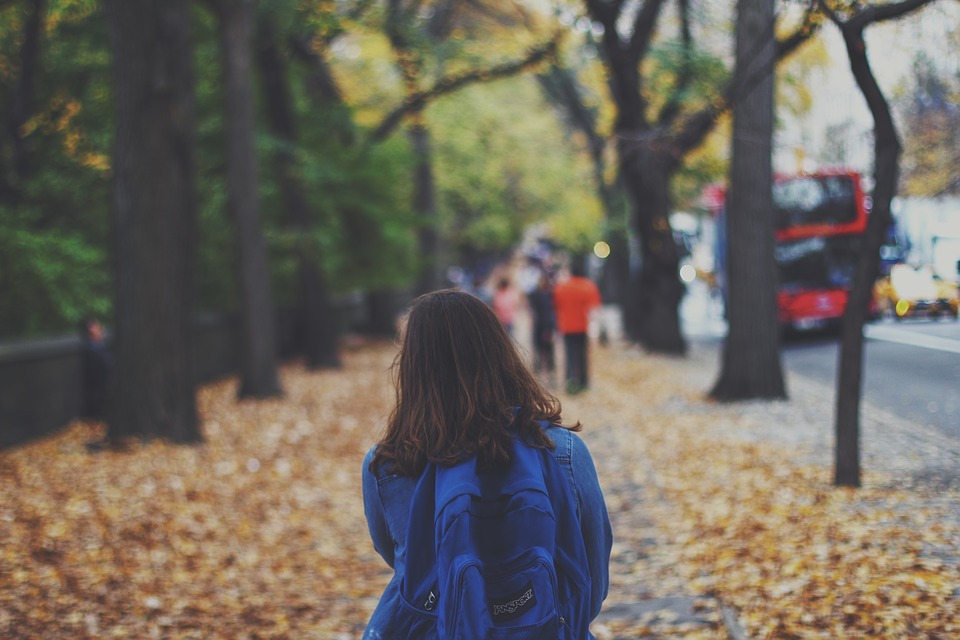
This article originally appeared on The Active Times by Katie Rosenbrock.backbacks

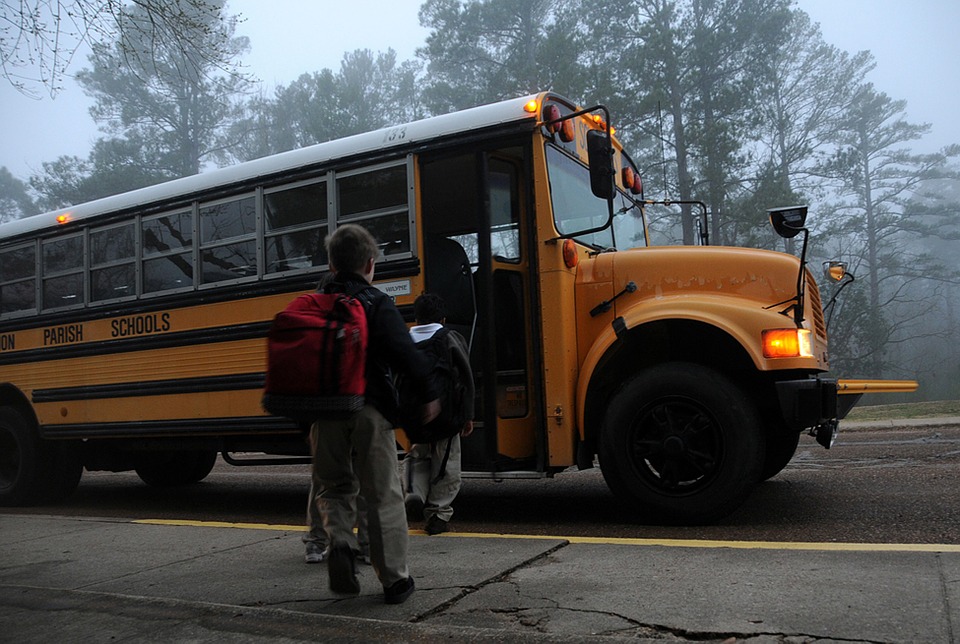
Back to school means back to the books, which is great for kids’ brains, but not so much for their backs.

According to the American Academy of Pediatrics (AAP), a child’s backpack shouldn’t weigh more than 10 to 20 percent of their weight, but often this limit is exceeded, and it could certainly lead to strain and even injury.

There are several research studies showing the long-term effects of carrying a heavy backpack.

Wearing a heavy backpack for prolonged periods may cause excessive strain in one’s neck, back and shoulders. Over time, muscles may fatigue, and the wearer may fall into poor posture, which may lead to muscle imbalances, which, if long-term, may cause increased risk of injury.

Additionally, children who wear heavy backpacks have a tendency to lean forward to support the weight, which further implicates their posture. Plus, for small children, heavy backpacks increase their risk of falling.

Clearly there are a handful of risks involved with bearing the brunt of a backpack that’s just too heavy for a kid to handle, yet a 2002 study out of Texas found that most parents (about 96 percent) don’t inspect the weight of their kid’s backpacks.

Determining an Appropriate Backpack Weight and Avoiding Back Painbackbacks

The AAP recommends a child’s backpack weigh no more than 10 to 20 percent of their body weight, but according to The New York Times, a recent survey from Consumer Reports suggests aiming for the lower, 10-percent end of that spectrum. Quinn agrees.

Also worth noting, that same report found girls and shorter children may be most at risk for back pain resulting from heavy backpacks, so for smaller-statured kids, it’s especially important to find a backpack that fits well.

It’s important to make sure the straps are wide, padded and adjustable, so the backpack fits the child well

The backpack should be close to the body and should not hang too far below the waist. The best advice for older kids is to wear the straps on both shoulders and evenly distribute the items in the backpack.”

The risk for injury increases, Quinn explains, when the backpack is worn over one shoulder or when most of the items are packed to one side, which often causes the carrier to shift or bend to the side to bear the weight.

She emphasized the importance of carrying the backpack with both straps to distribute the weight evenly over both shoulders.

Removing unnecessary items from the backpack daily is also key..

Relieving Neck and Shoulder Strainbackpacks

Prevention is of utmost importance, but for kids who are already experiencing strain in their necks, shoulders and backs due to a heavy backpack, Quinn offers a few restorative stretches and exercises that may help.

“Heavy backpacks may cause the wearer to bend forward, causing increased strain on the lower back,” she explains. “It may cause a forward head and rounded shoulder posture, which may result in tight pectoralis muscles and excessive strain on the cervical spine (neck). Pec and upper-trap stretches may improve the flexibility of these muscles and prevent long-term postural deficits.”

As chiropractors we cannot stress how important it is that back packs are worn correctly, as well as carried correctly.   We can always check that your child pack is correct for them if you bring them into the office.  Let’s catch problems before they develop.  Dr C

Latest News from Charmaine: August 2018

Greetings all,April 2018

Well, with our kids going back to school, comes the obvious signs that fall is just around the corner and somewhat cooler temperatures, we might hope.  Quite honestly, much as I might gripe about the heat, I honestly do not believe we here in Michigan have much to complain about when you see what is happening in the rest of the country, what with floods and fires and crazy hot temperatures.  As Dr. Ray is wont to say “another day in Paradise” and I have to agree with him.  There is enough variety to make it interesting, and few, if any, major catastrophes.

I have just completed my 4th Senior Olympics in power lifting and have my sights set on competing in States in December…another day, another goal.

So, with the kids going back to school—- I have enclosed an article on Backpack safety and also some”fallish”  recipes as the cooler weather settles in.

See you in the office, on the table, on the mat or under the barbells!

Greek Quinoa Salad

Another great SUMMER Salad!Greek Quinoa Salad

  • 1 cup of quinoa, rinsed
  • 2 cups vegetable broth
  • 1 cup fresh spinach, chopped
  • 1/2 tomato, seeded and chopped
  • 1 lemon, zested
  • 1/2 cup olives (I used a green/black mix)
  • 1/4 cup parsley, chopped fine
  • 2 ounces low fat feta
  • 1 T olive oil
  • 1 T balsamic vinegar
  • 2 cloves garlic, minced
  1. Place vegetable broth and quinoa in a large stock pot. Bring to a boil. Boil uncovered for 10 minutes. Remove from heat and drain in a fine metal colander.
  2. Rinse pot and bring two inches of water to a boil. Place quinoa in the metal colander over the water. Cover and steam for 10 minutes.
  3. While quinoa is steaming, combine chopped spinach, tomato and lemon zest in a small boil.
  4. When quinoa is cooked, drain the water. Rinse the pot and return the quinoa to it. Add the spinach mixture and cover. Allow to sit covered for 5 minutes or until spinach wilts.
  5. Add parsley and feta.
  6. In a small bowl, combine 1 T olive oil, 1 T balsamic vinegar and garlic. Toss with salad