Archive | Chiropractic News

RSS feed for this section

Researching Chiropractic: Case Studies

Each month we look at case studies where chiropractic care has helped people with different health related problems. Some of them may seem obvious, while others may surprise you. Please pass this along to anyone who may be suffering from any of the following:

  • High blood pressure
  • Pervasive developmental disorder
  • Upper back pain, numbness and “nerve feelings” in the hands (T4 Syndrome)

High blood pressure and chiropractic man with high blood pressure

A 72-year- old man with a history of hypertension, arthritis, ringing/buzzing in the ears and numbness/burning in his shoulder sought out chiropractic care. He was on blood pressure medication for one year prior to beginning chiropractic care. During this time his blood pressure had decreased from a baseline of 174/94 to 150/90.

He had a history of traumas that included a motor vehicle accident, a fall from a tree, and a twenty-year involvement with Judo.  For the next three months the chiropractor located and corrected (adjusted) his vertebral subluxations.

His blood pressure decreased over the course of care to 132/80. Also his emotional/mental state, stress and life enjoyment, based on a self-rated survey, showed improvements in all categories. (1)

Pervasive Developmental Disorder (PDD)Pervasive Developmental Disorder PDD

A 33-month- old boy was diagnosed with Pervasive Developmental Disorder (PDD) and Sensory Processing Disorder (SPD). His symptoms included delays in:

  • Communication
  • Speech
  • Cognitive function,
  • Gross and fine motor skills,
  • Social and emotional development
  • Self-help skills

He was also dealing with “fist walking” and bruxism (grinding teeth). He was on ADD medications, antidepressants, anti-seizure and antipsychotic medications to treat his symptoms.

Medically there is no cure.

Chiropractic care consisted of the location and correction of his subluxations. After ten months of care his language
skills had improved greatly and his sensory processing issues had reduced. His mother said, “He seems much more comfortable in his personal space.”

In addition, his bruxism reduced, he was no longer “fist walking” and he had stopped swaying and rocking. His mother reported that he was also beginning to read at a level above his age.

He continues to improve in areas of socializing and continues with chiropractic care. (2)

Upper back pain, numbness and “nerve feelings” in the hands (T4 older woman numbness case studySyndrome).

A 64-year- old woman was suffering from upper back pain, numbness and strange nerve sensations in her hands. She was diagnosed with T4 Syndrome.

Subluxations were located in the upper back that appeared to affect nerves to the upper limbs. Chiropractic adjustments to reduce subluxations were delivered, and by the fifth visit the patient reported complete remission of upper back pain and hand numbness. (3)


Sources:

  1. Van Dyke V, Russell D, Alcantara J. Resolution of hypertension in a 72-year- old male following subluxation based chiropractic care: a case report & selective review of the literature. Annals of Vertebral Subluxation Research. November 12, 2015:172-177.
  2. Cohn C. Improvement in autism spectrum disorder following vertebral subluxation reduction: a case study. Journal of Pediatric, Maternal & Family Health – Chiropractic. 2011;3:87-91.
  3. Librone P, Kalantarov E. Resolution of T4 syndrome following chiropractic care: a case report. Annals of Vertebral Subluxation Research. September 29, 2014:161-168.

Can Chiropractic Care help with Colic?

YES! Chiropractic Care helps with colic and infant vomiting

colic and chiropractic care

Although a lot of people associate chiropractic with low back, neck and hip problems or headaches and migraines, chiropractic care doesn’t “treat”a particular disease. Rather it corrects a dangerous form of spine/nerve stress called the subluxation. This may be causing an infant’s colic.

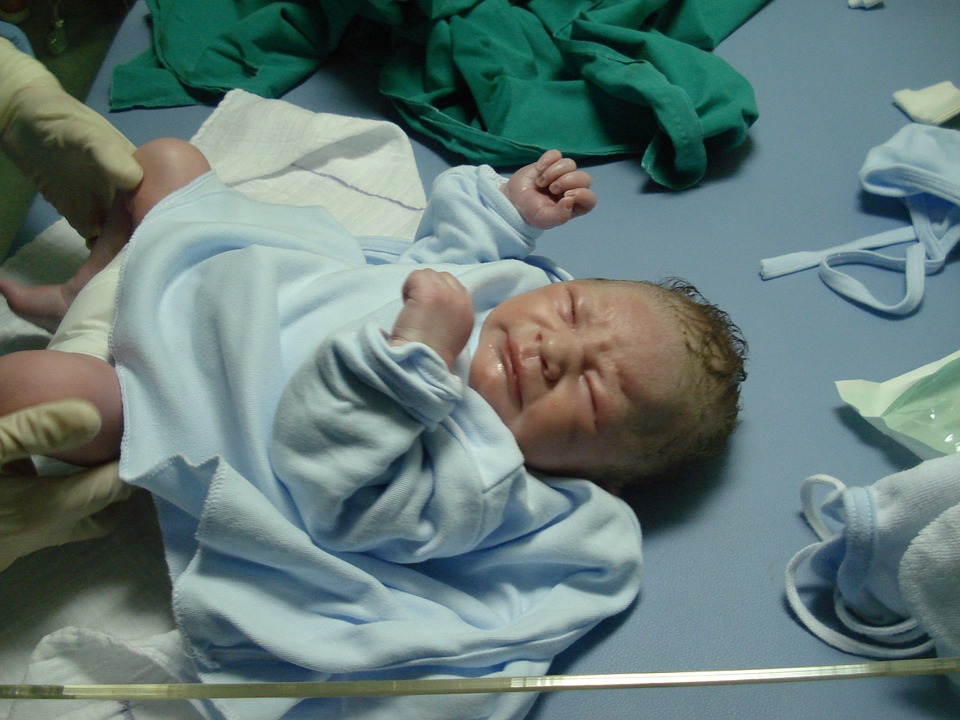
Infants may suffer from subluxations as a result of a difficult birth (especially when forceps or vacuum extraction are used) or a fall, in which case the child begins life with subluxations in his/her body and the potential for serious health problems any time in their life.

In fact, any time an infant has any health problems it is essential they be checked for subluxations. We’ve reported on case studies showing that babies and toddlers with colic, projectile vomiting, failure to thrive, sleeping problems, eczema, vision and hearing problems and many other conditions respond to chiropractic care.

Every baby and child should have a chiropractic checkup.

They may not be able to complain about pain or a problem now, but we can locate and correct subluxations in them before they are able to verbalize their problems.

happy baby no colic

The 3 T’s: Thoughts (mental health and chiropractic)

thoughts and mental healthThe Connection Between Mental Health and Chiropractic Care

Dr. Daniel David (DD) Palmer, the discoverer of chiropractic, was a man ahead of his time. He had an impressive library of scientific insights. Drawing from his studies he came to the conclusion that dis-ease (body malfunction) was caused by three T’s: Toxins, Thoughts (mental health) and Trauma.

Today’s scientific community is verifying those profound insights. Last month we discussed toxins. Now let’s look at thoughts.

Thoughts (emotions) are Powerful

The body affects the mind and the mind affects the body. Years ago it was believed our thoughts had no bearing on our health. During the mid-20th century the term psychosomatic illness was used to refer to a few conditions believed to be caused by emotional stress. But that was only just the beginning.

Today, many healers agree that it is rare to find a physical illness that cannot be affected by our emotions and just as impossible to find an emotional illness that has no physical effects. Mind and body interact in all circumstances.

Today the term mind/body or body/mind is used to describe this complex interrelationship.

From a physical standpoint we know that emotional stress affects our hormonal system and our immune system. Wemind and body connection also know that physical stress and changes in body chemistry can cause or contribute to changes in brain chemistry.

Life-threatening, even terminal illnesses such as cancer, have been reversed when individuals have had an emotional catharsis or an experience inspiring great hope and optimism. Emotional illness has reversed when people have experienced a physical healing.

The Chiropractic Connection

Chiropractic is a mind/body or body/mind healing art. The mind healing (psychotherapeutic) effects of chiropractic care were observed over a century ago and resulted in the creation of the Clear View and Forest Park Sanitariums devoted to caring for people suffering from mental and emotional disorders such as anxiety, “nervous disorders” (as they were then called) and more severe forms of emotional illness such as schizophrenia.

In fact, over a forty-year period, Doctors of Chiropractic and chiropractic schools operated nearly two hundred hospitals demonstrating that chiropractic care, with proper subluxation correction, along with a nutritious diet, exercise, fresh air and sunlight, had powerful healing effects.

Both Clear View and Forest Park Sanitariums consistently reported greater success than the state mental hospitals. The results so impressed North Dakota circuit court judge A.W. Ponath, that he consistently refused to send a patient to the state mental hospital unless they first spent time in the chiropractic institution. (5)

Why? Because without drugs, surgery (pre-frontal lobotomies) and electric shock therapy, chiropractic promoted real brain health and had a greater healing success rate.

Today chiropractors see many patients suffering from anxiety, depression, addiction, ADD, ADHD, autism and other conditions.

mental health

References and research for this article were obtained from the following sources:

1. Regan B, Hirshberg C. Spontaneous Remission: An Annotated Bibiliography. by. Sausalito, CA: Institute of Noetic Sciences, 1993.

2. Quigley WH. Pioneering mental health: institutional chiropractic care. Chiropractic History. 1983;3:68-73.

3. Goff PJ. Chiropractic treatment of mental illness: a review of theory and practice. Research Forum. 1987;4(1):4-10.

4. http://www.chiro.org/Plus/History/Persons/Mental-Health_in_Chiro/Mental_Health&Chiro- chrono.pdf

5. Glenther GC et al. Improvement in depression following reduction of upper cervical vertebral subluxation using orthospinology technique. Journal of Vertebral Subluxation Research. November 7 2005;1-4.

Childbirth: What to Reject When You’re Expecting

If you are wondering why we have been posting  lots of stuff about pregnancy….well…. we love for kids to have the best chance in the world….AND because we are about to become grandparents in December!

10 procedures to think twice about during your pregnancy

things to avoid in childbirthDespite a healthcare system that outspends those in the rest of the world, infants and mothers fare worse in the U.S. than in many other industrialized nations. Infants in this country are more than twice as likely to die before their first birthday as those in Japan and Finland. And America now ranks behind 59 other countries in preventing mothers from dying during childbirth and is one of only eight countries in the world, along with Afghanistan and El Salvador, whose maternal mortality rate is rising.

Why?

Partly because mothers in the U.S. tend to be less healthy than in the past, “which contributes to a higher-risk pregnancy,” says Diane Ashton, M.D., deputy medical director of the March of Dimes.

But another key reason may be that medical expediency appears to be taking a priority over the best outcomes. The U.S. healthcare system has developed into a labor-and-delivery machine, often operating according to its own timetable rather than the less predictable schedule of mothers and babies. Keeping things chugging along are technological interventions that can be lifesaving in some situations but also interfere with healthy, natural processes and increase risk when used inappropriately.
One example: The nation’s continued high C-section rates. Nearly one of every three American babies enters this world through a surgical birth. But when C-sections aren’t medically indicated, they may be more likely to harm mothers and babies than to help them.
Aaron B. Caughey, M.D., chair of the Department of Obstetrics and Gynecology at Oregon Health & Science University School of Medicine in Portland, points out that as the rate of cesareans in the country increased over the past several decades, the country did not see fewer deaths among newborns. “In fact, if anything, we started to see an increase in maternal mortality,” he says.
ACOG also partnered with the American Academy of Family Physicians (AAFP), as part of a campaign called Choosing Wisely, to publicly warn against the overuse of two other common interventions in pregnancy: planned early deliveries and inducing labor without a strong medical reason.
These outcomes are far worse for African American infants and mothers than they are for non-Hispanic whites: African-American infants are more than twice as likely to die than white babies and African-American mothers are three to four times more likely to perish from pregnancy-related complications than white mothers.
The idea, of course, is not to reject all interventions. The course of childbirth is not something that anyone can completely control. In some situations, inducing labor or doing a C-section is the safest option. And complications are the exception, not the norm.
But when they’re not medically necessary, research shows that the interventions listed below are associated with poorer outcomes for mothers, babies, or both.

1. A C-Section With a Low-Risk First Birthchildbirth

While C-sections generally pose few risks, “the safest method for both mom and baby is an uncomplicated vaginal birth,” says Catherine Spong, M.D., chief of the pregnancy and perinatology branch at the Eunice Kennedy Shriver National Institute of Child Health and Human Development.
The best way to reduce the number of C-sections overall is to decrease the number of them among low-risk women who are delivering their first child. That’s because having an initial C-section “sets the stage for a woman’s entire reproductive life,” says Elliott Main, M.D., medical director of the California Maternal Quality Care Collaborative, a program to reduce unnecessary C-sections in that state. “In this country, if your first birth is a C-section, there’s a 90 percent chance all subsequent births will be as well,” he says.
A C-section is major surgery. So it’s no surprise that as rates for the procedure go down, so do the numbers for several complications, especially infection or pain at the site of the incision. A C-section can also complicate future pregnancies, increasing the risk of problems with the placenta, ectopic pregnancies (those that occur outside the uterus), or a rupture of the uterine scar. And the risks increase with each additional cesarean birth.
In some situations, such as when the mother is bleeding heavily or the baby’s oxygen supply is compromised, surgical delivery is absolutely necessary. But women can maximize their chances of avoiding an unnecessary cesarean by finding a caregiver and birthing environment that supports vaginal birth. When choosing a practitioner and hospital or birth center, ask about its C-section rates, particularly rates for low-risk deliveries. Use our hospital Ratings to find cesarean rates of hospitals near you. And read more about how to avoid unnecessary C-sections.

2. An Automatic Second C-Section

childbirthJust because your first baby was delivered by cesarean doesn’t mean your second has to be, too. In fact, many women who have had a prior C-section are good candidates for a vaginal birth after cesarean (VBAC), according to ACOG.
Yet the percentage of VBACs has declined sharply since the mid-1990s, particularly after ACOG said in 1999 that they should be considered only if hospitals had staff “immediately available” to do emergency C-sections if necessary. And some obstetricians don’t do VBACs because they lack hospital support or training, or because their malpractice insurance won’t provide coverage. So women seeking a VBAC delivery might have trouble finding a supportive practitioner and hospital.    “It’s tragic, really,” Main says. “In many parts of the country, the option has all but disappeared.”
Instead, if you have had a C-section, find out whether your obstetrician and hospital are willing to try a VBAC. Let them know that you understand that your baby will be monitored continuously during labor, and ask what the hospital would do if an emergency C-section became necessary.

3. An Elective Early Delivery

childbirthOf course, some babies arrive sooner than expected and complications during pregnancy, such as skyrocketing blood pressure in the mother, can make early delivery the safest option. But hastening the birth of an otherwise healthy baby—even by a couple of days—is never a good idea.
“Important fetal development takes place to your baby’s brain and lungs during those last few weeks of pregnancy,” says Leah Binder, president and CEO of the Leapfrog Group, a nonprofit organization that advocates for improved quality and safety in the U.S. healthcare system. Babies born at full-term, which is at least 39 weeks, have lower rates of breathing problems and are less likely to need neonatal intensive care.
Perhaps because late preterm infants have more problems, mothers are more likely to suffer from postpartum depression. In addition, the procedures required to intentionally deliver a baby early—either an induced labor or a C-section—also carry a higher risk of complications than a full-term vaginal delivery.
Yet rates of these scheduled births skyrocketed in the early 2000s, to the point that almost 17 percent of births were scheduled before 39 weeks. In response, ACOG and a number of other groups—including the American Academy of Pediatrics, the American College of Nurse Midwives, the American Hospital Association, and the March of Dimes—initiated a campaign to sharply reduce early elective deliveries.
The effort was spectacularly successful: Rates dropped to 4.6 in 2013, making it “one of the most extraordinary examples of progress in healthcare that I’ve seen in my career,” Binder says.

4. Inducing Labor Without a Medical Reason

childbirthEven after 39 weeks of pregnancy, you should resist the urge to induce labor unless there is a strong medical reason, says Debra Bingham, R.N., vice president of the Association of Women’s Health, Obstetric and Neonatal Nurses. She points out that women who go into labor naturally can usually spend the early portion at home, moving around as they feel most comfortable. An induced labor takes place in a hospital, where a woman will be hooked up to at least one intravenous line and an electronic fetal monitor. In addition, most hospitals don’t allow eating or drinking once induction begins.
“An induced labor may occur prior to a woman’s body or baby being ready,” Bingham says. “This means labor may take longer and that the woman is two to three times more likely to give birth surgically.” Induced labor frequently leads to further interventions—including epidurals for pain relief, deliveries with the use of forceps or vacuums, and C-sections—that carry risks of their own.
For example, a 2011 study found that women who had labor induced without a recognized indication were 67 percent more likely to have a C-section, and their babies were 64 percent more likely to wind up in a neonatal intensive care unit, compared with women allowed to go into labor on their own.
Induction is justified when there’s a medical reason, such as when a woman’s membranes rupture, or her “water breaks,” and labor doesn’t start, or when she’s a week or more past her due date.

5. Ultrasounds After 24 Weeks

childbirthUnless there is a specific condition your provider is tracking, you usually don’t need an ultrasound after 24 weeks. Although some practitioners use ultrasounds after this point to estimate fetal size or due date, the margin of error increases as the pregnancy progresses. And the procedure doesn’t provide any additional information leading to better outcomes for either mother or baby, according to a 2009 review of eight trials involving 27,024 women. In fact, the practice was linked to a slightly higher C-section rate.

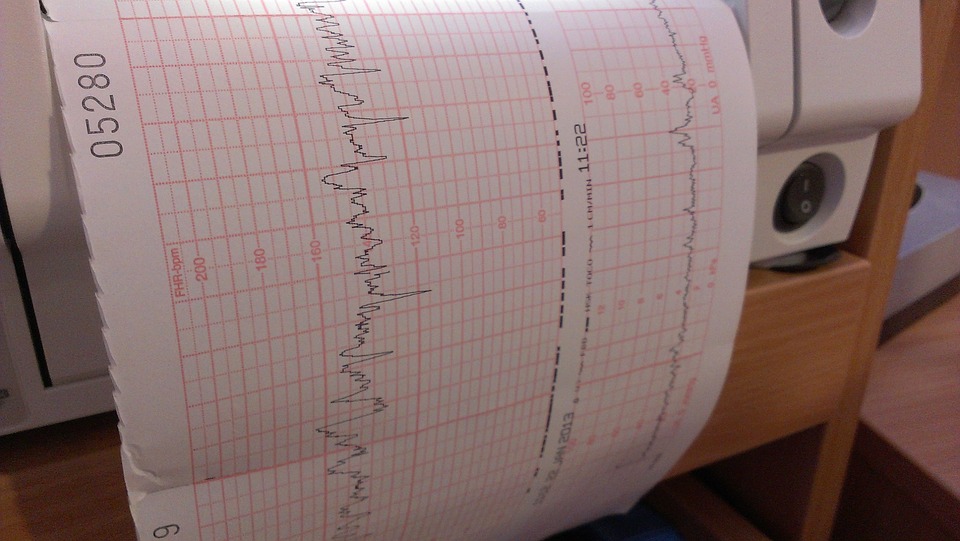
6. Continuous Electronic Fetal Monitoring
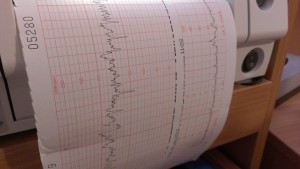
childbirthContinuous monitoring, during which you’re hooked up to a monitor to record your baby’s heartbeat throughout labor, restricts your movement and increases the chance of a cesarean or delivery with forceps. In addition, it doesn’t reduce the risk of cerebral palsy or death for the baby, research suggests. The alternative is to monitor the baby at regular intervals using an electronic fetal monitor or a handheld ultrasound device. Continuous electronic monitoring is recommended if you’re given oxytocin to strengthen labor, you’ve had an epidural, or you’re attempting a VBAC.

7. Early Epidurals

An epidural places anesthesia directly into the spinal canal, so that you remain awake but don’t feel pain below the administration point. But the longer an epidural is in place, the more medication accumulates and the less likely you will be able to feel to push. Epidurals can also slow labor. By delaying administration and using effective labor support strategies, you might be able to get past a tough spot and progress to the point you no longer feel it’s needed. If you do have an epidural, ask the anesthesiologist about a lighter block. “Ideally, a woman should still be able to move her legs and lift her buttocks,” Main says.

8. Routine Rupture of Membranes

Doctors sometimes rupture the amniotic membranes or “break the waters,” supposedly to strengthen contractions and shorten labor. But the practice doesn’t have that effect and may increase the risk of C-sections, according to a 2009 review of 15 trials involving 5,583 women. In addition, artificially rupturing amniotic membranes can cause rare but serious complications, including problems with the umbilical cord or the baby’s heart rate.

9. Routine Episiotomies

Practitioners sometimes make a surgical cut just before delivery to enlarge the opening of the vagina. That can be necessary in the case of a delivery that requires help from forceps or a vacuum, or if the baby is descending too quickly for the tissues to stretch. But in other cases, routine episiotomies don’t help and are associated with several significant problems, including more damage to the perineal area (area near the rectum) and a longer healing period, according to a 2009 review involving more than 5,000 women.

10. Sending Newborns to the Nursery
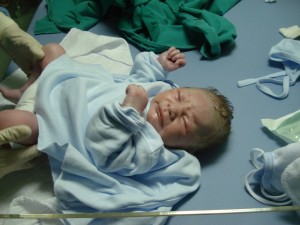
childbirthIf your baby has a problem that needs special monitoring, then sending him or her to a nursery or even an intensive care unit is essential. But in other cases, allowing healthy infants and mothers to stay together promotes bonding and breastfeeding. Moms get just as much sleep, research shows, and they learn to respond to the feeding cues of their babies. Allowing mothers and babies to stay together is one of the criteria hospitals must meet to be certified as “baby friendly” by the Baby-Friendly Hospital Initiative, a program sponsored by the World Health Organization (WHO) and the United Nations Children’s Fund (UNICEF).


This article first appeared by Consumer Reports


Chiropractic Case Studies: June 2016

Researching chiropractic case studies

Chiropractic clinical case histories have been a regular feature of our patient newsletter since its inception. There seems to be no limit to the health problems that respond to chiropractic care. How many people suffering, on drugs, facing a life of limitation could be helped by chiropractic care? Probably most of them.

Headaches in a six-year-old

case study headaches in childrenA 6-year-old boy who had been suffering from chronic headaches for the past two years of his life was brought in for chiropractic care.
Medical doctors could not figure out what was causing his headaches. The child was prescribed pain killers (ibuprofen) which were ineffective.
A chiropractic analysis revealed he had subluxations in his upper neck (upper cervical spine) and he began a series of spinal adjustments. After 10 visits over a 2-month period his headaches completely resolved. (1)

From breech to normal birth presentation

case study breech to normal birthA 31-year-old pregnant woman was diagnosed with a transverse breech presentation by her obstetrician when she was 30 weeks pregnant.
She received a special type of chiropractic adjustment known as the Webster Technique that relaxes the pelvis and permits the uterus to expand so the fetus could turn to a healthy presentation for delivery. After 7 visits over 3 weeks of chiropractic care, the patient’s midwife confirmed that the child was no longer in a breech position and had assumed a normal (vertex) presentation. The mother was then able to have a natural home birth. (2)

A five-year-old with sensory modulation disorder and constipation

case study head traumaA 5-year-old girl had a history of birth trauma, developmental delays, sensory processing challenges, sleep difficulties and other functional disorders.
Following chiropractic adjustments, she demonstrated more frequent bowel movements, more-restful sleep, improved mood and improved ability to concentrate and engage with her environment. (3)

Seizures and behavioral disturbances following head trauma

case study 2 year old head traumaA 2-year-old boy suffering from seizures, behavioral disturbances and cognitive developmental delays following a head trauma was brought to a chiropractic office. Since the accident the boy had 1-3 seizures per week, but occasionally had as many as three seizures a day.
He was also combative, angry, uncooperative with his parents and language delayed. Fifteen months after the trauma the parents sought out chiropractic care for their child.
A chiropractic examination revealed that the boy had a subluxation of the C1 (atlas) vertebra.
He had seven chiropractic visits over 5½ months and was adjusted three times over the course of care. There was improvement and eventual cessation of his seizure activity following the chiropractic care in addition to improvement in his behavior and cognitive development. (4)

Do you know someone who is suffering?

If you know anyone who may be suffering from similar symptoms or problems, please share this article with them. You could help them avoid a life time of difficulty with gentle, non-invasive chiropractic care.


1.Olsen R, Alcantara J. Resolution of chronic cervicogenic headaches in a 6-year-old male following care directed at vertebral subluxations: a case report. Journal of Pediatric, Maternal & Family Health – Chiropractic. 2014;4:81-86.
2.Drobbin D, La Rosa S. Resolution of transverse breech pregnancy following administration of chiropractic using the Webster Technique: a case study & selective review of literature. Journal of Pediatric, Maternal & Family Health – Chiropractic. 2015;1:9-14.
3.Yoshimura R, Lathrop JM. Improvement in sensory modulation & functional disorders in a Female pediatric patient undergoing chiropractic care. Annals of Vertebral Subluxation Research. May 5, 2015:108-118.
4.Komarek AJ, Tedder N, Tedder A. Cessation of seizures, behavioral disturbances and improvement in cognitive developmental delay following upper cervical chiropractic care in a 2-year-old: a case report. Journal of Upper Cervical Chiropractic Research. May 14, 2015:14-18.

The 3 T’s – Toxins, Thoughts and Trauma

toxins from air pollution Dr. Daniel David (DD) Palmer, the discoverer of chiropractic (1895), said that dis-ease (body malfunction) was caused by toxins, thoughts and trauma – the three T’s. Modern science is just catching up to his insights; he was far ahead of his time.

Understanding the 3 T’s

Understanding the three T’s will help you understand the causes of disease, how to prevent disease and, if you are suffering, how to address the cause. For this issue we’re going to discuss toxins.

Toxins

Toxins (poisons in the environment) have been linked to:

  • Cancermasks to prevent toxins
  • Brain tumors
  • Heart disease
  • Parkinson’s
  • Multiple sclerosis
  • ALS
  • Autism
  • Rheumatoid arthritis
  • Depression
  • Immune system failure
  • Much more

Many of these diseases are linked to chronic or long-standing inflammation which is what toxins create. A toxic person is like a walking time bomb, waiting for disease to strike.

 How do we become toxic?toxins from water pollution

 Toxins come from our external environment (exogenous toxicity) and from our internal environment (endogenous toxicity).

External Environment

There are so many toxins in our external environment that we can’t list them all. They include air pollution, herbicides, pesticides, fungicides, mercury and other heavy metals from dental fillings, chemical factories, waste dumps, toxic chemicals injected via vaccination, outgassing from carpets and various products, the chlorine and toxins from carpetsfluoride and waste chemicals in our water – the list is long and depressing.

Toxins in Newborns

Toxins are so common that researchers have found more than 200 chemicals in newborn umbilical cord blood including the controversial plastics additive bisphenol A, or BPA, which mimics estrogen and has been shown to cause developmental problems and precancerous growth in animals. Is it any wonder why our children are so sick today? (Goodman S. Scientific American. Sept. 2, 2009.)

Internal Toxins

Toxins generated from inside our body include oral pathology such as toxins from root canalsinfected root canals, infected wisdom tooth sockets, infected tonsils, longstanding waste in the colon, intestinal parasites and many others. Toxins generated from inside the body can be just as dangerous as those from outside the body.

 What do you do for toxicity?

 How do you remove toxins? It is done through the process of detoxification.

Detoxification Procedures

Since ancient times, for thousands of years, people all over the world in many cultures have employed numerous detoxification procedures such as fasting, hot baths, sauna, clay, cleansing diets, sweat lodges, exercises, special diets, enemas, colonics, massage, bodywork, sunlight (heliotherapy) and many other procedures.
remove toxins with a sauna

How do you start to detoxify?

There is much you can do to detoxify. Doctors of Chiropractic, Naturopathy, Homeopathy, Chinese medicine and Ayurveda and other healthcare practitioners from different disciplines often specialize in or work with people who can address toxicity.
If you are worried about toxins in your system make an appointment with us today. We can help!

This is What You Were Born For

You are born to live a lipainfe of vitality, strength, peace and happiness! It is your birthright, your natural state. That life should be long and full of joy, excitement, pleasure and fulfillment.
But it doesn’t always seem that way. Too many people are not living to their potential; too many people are living lives wracked with physical and mental disease and pain.

Remove Obstacles and Pain

In order to discover physical and mental health you need to remove anything interfering with your proper function.
The chiropractic profession has discovered a serious condition that interferes with your proper function. It is an back paininternal distortion of your spine and body structure – a subluxation. Subluxations are structural distortions that stress your nervous system – your brain, spinal cord, cranial nerves and related structures.
Subluxations are caused by any stress your body cannot handle: a difficult birth, a fall, an accident, emotional upset, chemical toxicity, overwork, or a combination of stresses (i.e. physical, chemical or emotional stress while you are tired, overworked, malnourished, etc.).

Chiropractic subluxation correction improves your health in many ways.

 In over a hundred years of clinical experience, millions of patients have praised chiropractic for helping  them with menstrual problems, a more comfortable pregnancy and labor/delivery, ear infections, high blood pressure, fevers, asthma, colic, eczema, headaches, migraines, back pain, arthritis, stress, sleeplessness, dyslexia, vision, learning disorders and so much more.
But it’s more than pain and sickness. Chiropractic is an excellent way to maximize sports performance, improve overall health and enhance balance, strength and fitness.
Subluxations are epidemic in our society; most people have them in their body and don’t know it. For that reason, everyone needs periodic chiropractic checkups to locate and correct (adjust) their subluxations.

Make an appointment to have your spine checked today!

Researching Chiropractic: Case Studies

The health of a people is really the foundation upon which

all their happiness and all their powers as a state depend.                              

-Benjamin Disraeli

Case Studies

Chiropractic clinical case histories have been a regular feature of our patient newsletter since its inception. There seems to be no limit to the health problems that respond to chiropractic care. How many people suffering, on drugs, facing a life of limitation could be helped by chiropractic care?

Probably most of them.

Abdominal Migrainescase studies

Difficulties in concentration, stomach pain and abdominal migraines. A 6-year-old girl was suffering from difficulties in concentration and learning since beginning school over a year prior. She also suffered from severe stomach pain for over two months that was diagnosed as”abdominal migraines”. She received weekly care over a period of six weeks.

Improvements were seen in concentration and learning along with a complete resolution of her “abdominal migraines”. The results documented in this case suggest comorbidity between difficulties in concentration, learning and abdominal migraines. (6)

Disc Protrusion

A 43-year- old man complaining of left-sided low back pain that radiated down to the left leg, down the lateral calf, to the foot and heel came in for chiropractic care. He rated the pain as 8 out of 10. He was unable to work or sleep through the night.
case studies disc protusion
An MRI revealed a left lower spine (L4-L5) disc protrusion. To make things worse, a disc fragment was extruding out of the spine. MDs recommended an epidural block or low back surgery. The patient had received treatment via prescription drugs prior to the office visit. The patient had been prescribed Advil 200 mg, Percocet 5 mg-325 mg, Valium 5mg and Tramadol; none of which took away the pain.

Upon a friend’s recommendation, the patient decided to visit a chiropractor. The patient was cared for with spinal adjustments over the course of 15 visits over 5 weeks. By that time he was able to work 12-hour days feeling slightly stiff and was able to sleep through the night without pain. He was also able to sit and lay down without any pain. His slight remaining pain at the one-month point of care was rated as only a 2 out of 10, and his muscle strength and movement were greatly improved. (7)

6. Lucks C, Lucks L. Resolution of abdominal migraines & improvements in concentration & learning in a 6-year- old girl following Network Spinal Analysis care: a case study. Journal of Pediatric, Maternal &Family Health – Chiropractic. 2015;4:140-148.

7. Murphy J, Morrison T, Floyd R, Alcantara J. Improvement in a patient with disc protrusion andextruded fragment following subluxation based chiropractic care: a case study & selective review of theliterature. Annals of Vertebral Subluxation Research. November 19, 2015:178-183.

Questions and Answers about Chiropractic: Round 2

photo2Question #1: How old is chiropractic?

Answer: Chiropractic was discovered (or really rediscovered) in 1895 in Davenport, Iowa by Dr. D.D. Palmer. Dr. Palmer learned that the owner of the janitorial service in his office building had been deaf for many years after an accident. Dr. Palmer analyzed the man’s spine and located a displaced vertebra. He laid him down on a bench and gave him the world’;s first chiropractic adjustment.

The man’s hearing returned. Dr. Palmer thought he had discovered the cure for deafness but shortly thereafter Dr. Palmer had a patient suffering from heart trouble. He found a spinal distortion (subluxation) in the man’s spine, corrected it, and the heart trouble was relieved.

How could two conditions so different as deafness and heart trouble be helped by spinal adjustments? So began the birth of chiropractic. Dr. Palmer’s successes attracted people from far and wide and in time he opened the world’s first chiropractic school – The Palmer College of Chiropractic – which is in existence today.

Question # 2: What’s the #1 nutrition mistake?

Answer: Not eating nutrient dense foods. Some foods give you an abundance of life-sustaining nutrients – these are known as “nutrient dense” foods. Other so-called “foods” have no nutritional value or even negative nutritional value – they drain you of nutrients. These are processed “junk foods”manufactured with sugar, high fructose corn syrup, hydrogenated or partially hydrogenated vegetable oil and white flour.

chiropractic questionsSoda (pop), margarine, canola oil are toxic and artificial sweeteners such as NutraSweetT (aspartame), Splenda and Equal are linked to brain tumors, memory loss and vision damage.

GM or genetically-modified foods are to be avoided. Soy is especially unhealthy because it is often genetically modified, difficult to digest and affects the thyroid and hormones. Exceptions are fermented soy products such as soy sauce, natto, tempeh and miso.

Nutrient dense foods include healthy fats and oils (olive oil, coconut oil, butter, tallow, duck fat, lard), grass-fed beef and non-pasteurized raw milk and raw milk products. Bone and chicken broths are excellent sources of minerals and trace elements. Also make sure your food is certified organic. Organic foods have far less toxic pesticides, fungicides and herbicides than conventional foods.

The #1 Question Asked of Chiropractors

An age old question that we get time after time is:

“Why should I return, especially if I feel fine?”

Delays have dangerous ends. –William Shakespeare

You entered our office feeling terrible and now you feel great. So why does your chiropractor suggest coming in again?”Why can’t I return when I’m feeling bad?” you may ask.

“I Feel Fine” Health Carei feel fine

We’ve all seen people looking like death warmed over who say they “feel fine”; yet they have no energy, sleep poorly, are tired, depressed, have aches and pains, headaches or backaches.Too many people who “feel fine” have a sudden heart attack, stroke, debilitating pain or are diagnosed with a serious disease.Sadly, too many people have lost touch with how they really feel. They’ve lost sensitivity or ignore their body’s subtle signs of dis-ease. Don”t make that mistake!

Why More Visits?I feel fine, car accident

Most people first visit our office after they’ve had years of long-standing subluxations. By that time “gunk”(scar tissue or fibrosis) builds up around the spinal discs, nerves and joints and prevents complete healing. That”s one reason why 86% of those in automobile accidents still have symptoms ten years later. (1)

I feel finePosture

Long-standing subluxations also cause postural changes and tender muscle areas (trigger or tender spots). (2)You may “feel fine” but when someone touches a “hot spot”you jump! Scar tissue may require months or years of adjustments before your spine is strong again. (3) The longer you wait, the more scar tissue “gunk”builds up. (4) Because of that there’s a good chance that you”ll be back in our office in the not-too- distant future with symptoms that may take longer to go away (“I don’t understand it doc, the last time I felt better after a couple of visits”).

Why settle for less?

Many people visit chiropractors only when they’re sick or in pain. That’s a lot better than using drugs or surgery, but chiropractic has so much more to offer. Keep your body free of subluxations so it may continue healing; so that it may promote a healthier body, with less stress, more energy and greater resistance to disease.Why be content to be merely free from pain when you can also ensure better health, vitality, and strength for yourself and your entire family for their entire lives?Are you and your family carrying the silent killer, the subluxation? Only a chiropractic check up can tell; come in for a checkup – and bring the family too!


  1. Watkinson A et al. Prognostic factors in soft tissue injuries of the cervical spine. British Journal of Accident Surgery. 1991;22(4):307-309.
  2. Hiemeyer K et al. Dependence of tender points upon posture – a key to the understanding of fibromyalgia syndrome. Journal of Manual Medicine. 1990;5:169-174.
  3. Dishman R. Review of the literature supporting a scientific basis for the chiropractic subluxation complex. JMPT. 1985;8:163-174.
  4. Kelman Cohen I et al. Wound healing, biochemical and clinical aspects. New York: W.B. Saunders
Co., 1992:110.