Tag Archives: healthy eating

Feed Your Brain, Fight the Fire

Your brain isn’t just along for the ride. It depends on what you eat, just as much as your muscles and joints do. If you’ve ever felt foggy after a sugar-heavy snack or struggled to focus during a fast-food slump, you’ve already experienced the brain-food connection firsthand. The good news? Swapping out inflammation-triggering foods for brain-loving alternatives can make a real difference.

Everyday Brain-Boosting Foods

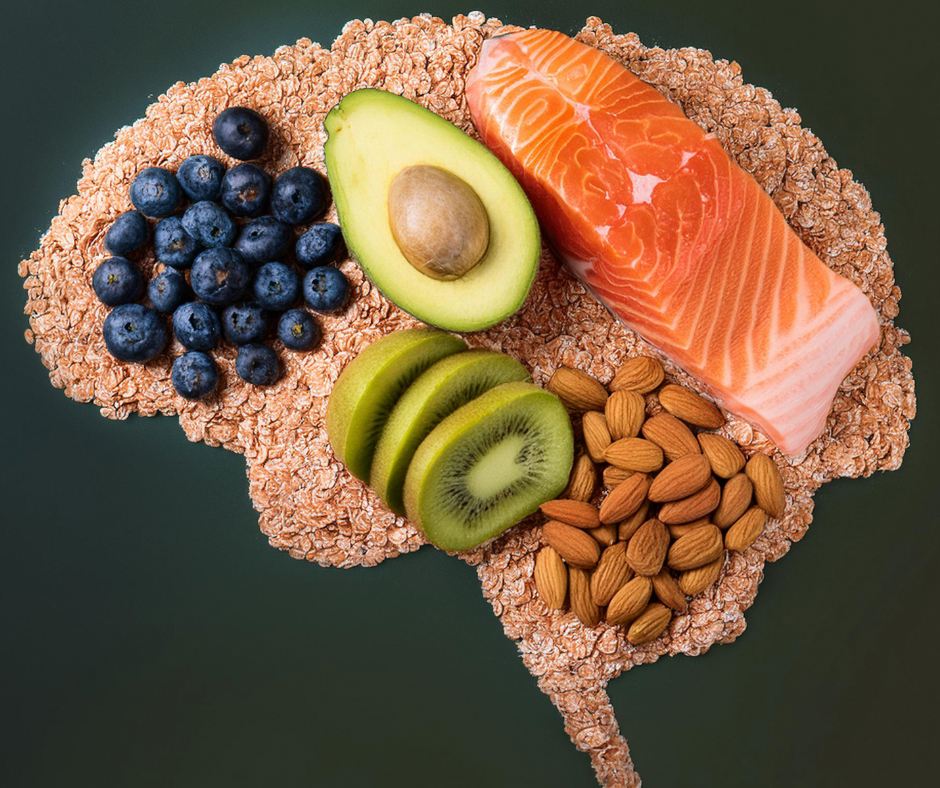
Omega-3 fats are some of your best allies here. Found in wild-caught salmon, sardines, and walnuts, they help keep brain cells working smoothly. They also help alleviate inflammation, which has been linked to cognitive issues such as memory loss and brain fatigue. Add a few servings a week, and you’ll likely notice more clarity and better mood stability.

Turmeric is another simple upgrade. You can stir it into scrambled eggs, blend it into smoothies, or sprinkle it onto roasted vegetables. The active ingredient, curcumin, has been shown to support memory and reduce brain inflammation [1].

Berries belong in your regular rotation, too. Blueberries, blackberries, and raspberries are rich in antioxidants that help protect your brain from oxidative stress. That’s science-speak for cellular wear and tear that messes with how your brain communicates. A handful of your morning oatmeal or mixed into a salad works wonders.

One easy win? Start your day with a brain-boosting smoothie: 1 cup of unsweetened almond milk, ½ banana, a handful of spinach, one tablespoon of ground flaxseed, ¼ cup of blueberries, and a pinch of turmeric. Blend and sip. Your brain will thank you.

What to Avoid (and What to Add)

Leafy greens like kale and chard? They’re loaded with folate and vitamin K, which have been linked to slower mental decline. Avocados provide healthy fats and vitamin E, both of which are known to support focus and memory.

Be cautious of foods that contribute to brain fog, including refined sugar, processed carbs, seed oils, and artificial additives. These spikes can cause inflammation and may disrupt your neurotransmitters, the chemical messengers your brain needs to function clearly and feel balanced.

Keeping your gut happy helps your brain, too. Your gut and brain are more closely connected than most people realize. Try adding fermented foods, such as sauerkraut or plain yogurt with live cultures, to your meals for a healthy boost. They boost your microbiome, which plays a surprising role in mental clarity.

The best part of eating this way? You’re not following a strict plan or giving up everything you love. You’re just giving your brain the fuel it prefers.


  1. Small, G.W., Siddarth, P., & Merrill, D.A. (2020). Memory and Brain Amyloid and Tau Effects of a Bioavailable Form of Curcumin in Non-Demented Adults: A Double-Blind, Placebo-Controlled 18-Month Trial. American Journal of Geriatric Psychiatry, 26(3), 266-277. 

Eating with the Seasons: Nourishing Spring Foods

As the earth awakens from winter, spring brings fresh vitality not only to the soil but to our bodies. According to the teachings of Dr. Weston A. Price, traditional cultures thrived by eating seasonally-honoring the cycles of nature and consuming nutrient-dense foods available at the time. In spring, this means embracing lighter, cleansing foods while still ensuring we receive the fats and minerals needed for deep nourishment.

Spring is the perfect time to incorporate leafy greens like dandelion, nettles, watercress, and arugula into the diet. These bitter greens stimulate the liver and aid detoxification after a heavier winter diet. Traditional diets often included wild spring greens as tonics, and modern nutritional research supports their richness in chlorophyll, magnesium, and antioxidants. Lightly steaming or sautéing them in butter or ghee-a traditional fat praised by Dr. Price-enhances the absorption of fat-soluble vitamins A, D, E, and K (1).

Pasture-raised eggs, another springtime staple, are particularly nutrient-rich this time of year as hens begin laying more frequently. Eggs from chickens allowed to forage on spring grasses contain higher levels of omega-3s and fat-soluble vitamins. Raw or cultured dairy products from grass-fed cows also reflect seasonal improvements in nutrition and can provide beneficial probiotics when fermented.

Lamb is a classic spring meat, traditionally consumed in many cultures during this season. It is a rich source of heme iron, zinc, and conjugated linoleic acid (CLA), especially when the animals graze on fresh pasture. Bone broth from lamb or poultry is also supportive to the digestive system as the body transitions to lighter fare.

Finally, sprouted grains and legumes are more digestible and nutrient-available than their unsprouted counterparts and were traditionally soaked or fermented before consumption. This mimics natural springtime germination and is in line with the wisdom Price documented from indigenous diets (1).

By following the rhythms of nature and embracing seasonal foods, we align our diets with traditional wisdom and modern nutritional science. Spring invites us to lighten up without losing the deep nourishment our ancestors prized.


4.Fallon, S., & Enig, M.G. (1999). Nourishing Traditions: The Cookbook that Challenges Politically Correct Nutrition and the Diet Dictocrats. Washington, D.C.: NewTrends Publishing.

Traditional Holiday Eating

traditional holiday eating

The holiday season brings with it rich traditions, family gatherings, and an abundance of food. While it’s tempting to indulge in sugary treats and processed snacks, enjoying the season while nourishing your body is possible. Drawing inspiration from Weston A. Price’s emphasis on nutrient-dense, traditional diets, here are some tips to eat healthily during the festivities.  

Embrace Traditional Holiday Foods  

Many traditional holiday dishes are surprisingly nutrient-dense. Think roasted meats, bone broths, fermented vegetables like sauerkraut, and butter-laden side dishes. These foods align with Weston A. Price’s principles, emphasizing whole, unprocessed ingredients rich in vitamins and minerals. Opt for grass-fed meats, pasture-raised butter, and organic root vegetables to enhance the nutritional value.  

Incorporate Fermented Foods  

Fermented foods like kefir, yogurt, or sourdough bread can support digestion and immune health during a season notorious for indulgence. These probiotic-rich foods were staples in traditional diets and helped balance the gut microbiome, which is often challenged by holiday sweets and alcohol.  

Swap Sugar for Natural Sweeteners

Holiday desserts don’t have to be harmful to your health. Use natural sweeteners like raw honey or maple syrup in place of refined sugar. These options are less processed and offer trace nutrients, making them better for your favorite festive recipes.  

Focus on Quality, Not Quantity  

Rather than loading up your plate, focus on savoring smaller portions of high-quality foods. This aligns with the nutrient-density principle of Weston A. Price’s work-eating less but nourishing more.  

Integrating these principles into your holiday meals allows you to enjoy the season without compromising your health. As Weston A. Price said, “Life in all its fullness is mother nature obeyed.”  

Check out our Facebook Page for lots of yummy vegetarian recipes!

Traditional Eating: Eat Organic Foods in the Winter Months

Organic food has become increasingly popular recently, with many people choosing it for its health benefits and environmental sustainability. Particularly during the winter months, incorporating organic foods into one’s diet can have numerous advantages.

Organic foods are known for their higher nutritional value. Studies have shown that organic fruits and vegetables tend to have higher levels of certain nutrients, including antioxidants, compared to their conventionally grown counterparts (1).

During winter, when the body’s immune system often needs extra support to combat colds and flu, these additional nutrients can be particularly beneficial.

Another merit of eating organic food in winter is the reduced exposure to pesticides and synthetic fertilizers. These chemicals, commonly used in conventional agriculture, can have various adverse health impacts. By choosing organic, individuals reduce their intake of these potentially harmful substances. This is especially important in the colder months when the body might already be dealing with additional stress due to the harsher climate.

Moreover, eating seasonal and local organic produce can help reduce the carbon footprint associated with food transport. During winter, this means focusing on root vegetables, winter squashes, and hardy greens, which are typically available from local sources. This not only ensures freshness but also supports local economies.

Consuming organic food during winter offers several benefits, including higher nutritional content, reduced exposure to harmful chemicals, support for sustainable farming practices, and a lower carbon footprint. As awareness of these advantages grows, more people will likely turn to organic food options, particularly during the challenging winter season.


  1. Baranski, M., et al. (2014). Higher antioxidant and lower cadmium concentrations and lower incidence of pesticide residues in organically grown crops: a systematic literature review and meta-analyses. British Journal of Nutrition, 112(5), 794-811 

The Diseases of Civilization

The “diseases of civilization” are those diseases or conditions that were rare or didn’t even exist until modern times. Ironically, we have these diseases even though we live in lands of plenty, clean water, abundant food and drink, and refrigeration! We are also blessed with hot and cold running water indoor plumbing (no outhouses), and we no longer live with cows, pigs, and horses in our homes (thieves would run off with them otherwise).

We are so blessed!

In the olden days, there was much sickness from all the filth. Babies rarely made it past their first month of life. Plagues carried away multitudes! Those good old days were not so good.

New Diseases

While the old diseases and plagues are mostly gone, we now have new diseases: cancer, heart disease, autism, ADD, dyslexia, Parkinson’s, Alzheimer’s, multiple sclerosis, and many others. What caused this new epidemic of chronic illness?

Our Modern World

Our modern world is full of poisons our ancestors were never exposed to. There are at least 80,000 chemicals in our environment, including toxins from plastics, pesticides, and herbicides such as glyphosate (RoundupT), arsenic, mercury, lead, aluminum, phthalates, cleaning products, soaps, and many others.

Dental fillings such as amalgam (mercury), fetal ultrasound (radiation to the developing brain), and many prescription drugs cause damage immediately or years later. 

We should have the healthiest population. Instead, in the US, over half of our children have a chronic illness, 

What to do? 

Start before birth – parents-to-be should detoxify with an organic healthy diet, pregnant women should avoid ultrasound and vaccines, and eat traditional high-fat foods, grass-fed meats, and dairy products. Every day you should have food that is good for your gut (fermented foods such as sauerkraut, kefir, kimchi, yogurt, and other probiotics). 

Avoid Frankenfoods (unnatural laboratory creations)

Don’t eat foods our grandparents (and great grandparents) never ate vegetable oils such as corn, sunflower, safflower, canola, and soy that are produced at high temperatures and pressure and are unnatural to our body function (physiology). Other oils include partially hydrogenated and partially hydrogenated oils such as margarine, CriscoT, and similar products.   Avoid all GMO foods (genetically modified). Avoid conventionally grown foods and go organic. White sugar wasn’t known until a few hundred years ago – it didn’t exist. Highly processed products give us almost no nutrition and even take essential minerals out of our bodies as they are digested and assimilated. 

Go to www.westonaprice.org to learn about traditional diets and foods.

What do I do now? Detoxify!

Traditional ways to get rid of poisons or detoxify are sunbathing, fasting, sauna, exercise, massage, herbs, gallbladder, and liver flushes. See below for an inexpensive universal detox – clay. 

Don’t forget chiropractic adjustments. From infancy to older people, our body detoxes better when it’s subluxation-free. Talk to us.

Call today for an appointment. 627-4547

Traditional Eating & Myocardial Infarction

Myocardial infarction (MI) was almost non-existent in 1900. Doctors thinking about specializing in heart ailments were told that they’d starve because heart disease was so rare, that they might see only one case in their entire career. 

MI is when there is a massive blood clot leading to obstruction of a coronary artery and consequent death of the heart muscle. 

Myocardial infarction

By 1960, there were at least 500,000 MI deaths per year in the US. What lifestyle changes had caused this increase? What made MI go from rare to the number one killer? Three words: hydrogenated vegetable oils. 

For all human history, the only oils or fats (they are the same) that were used were those that were found in nature: olive oil, coconut oil, butter, tallow, lard, chicken fat, goose, and duck fat (mostly saturated fats). 

Good fat consumption is essential.

In 1900 egg consumption was three times what it was in 1956 and corn oil was unavailable, and Mis didn’t exist. Good fats don’t cause heart disease, but bad fats do.

Today, we have cheap seed oils that are created under high pressure and temperature and are damaging to the cardiovascular system: canola oil, soy oil, corn oil, sunflower seed, cottonseed, safflower, and other “seed” oils (mostly unsaturated fats). Another dangerous product is margarine. These oils cause inflammation of the heart’s arteries and promote blockages. 

If you’d like to live a healthy, long life do yourself and your family a favor and ditch the hydrogenated vegetable oils for traditional fats. (4) 


  1. The Oiling of America. By Sally Fallon and Mary G. Enig. https://www.westonaprice.org/oiling-of-america-in-new-york/

ESSENTIAL INGREDIENTS OF A BUDDHA BOWL

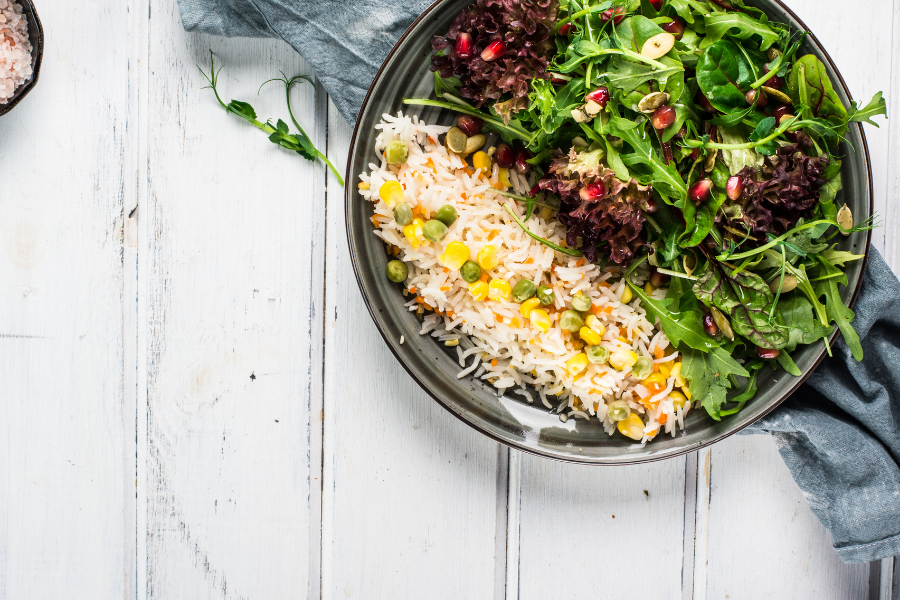
A Buddha bowl is essentially a simple, one-bowl meal, typically vegetarian or vegan that includes rice, legumes, fresh vegetables, and plant proteins. Often they are served cold, but some versions are served with a warm base.

  1. whole grain or riceUntitled design - 2021-08-30T165426.328
  2. Baked Tofu, Tempeh, or plant-based protein like beans or legumes
  3. Fresh or roasted vegetables
  4. Greens or sprouts
  5. Sauce or Dressing
  6. Nuts or seeds!
  7. Your favorite, wide ceramic bowl!

HOW TO BUILD A BUDDHA BOWL:

The best Buddha bowls start with a base of rice or whole grains which can be served cold or warm. Top with plant-based protein (tofu,  edamame ( green soybeans usually sold frozen),, then greens and fresh veggies. Next, drizzle with dressing or sauce and sprinkle with seeds or nuts. Top with fresh sprouts or microgreens.  This can be made as individual servings to taste or one large bowl for everybody to enjoy!

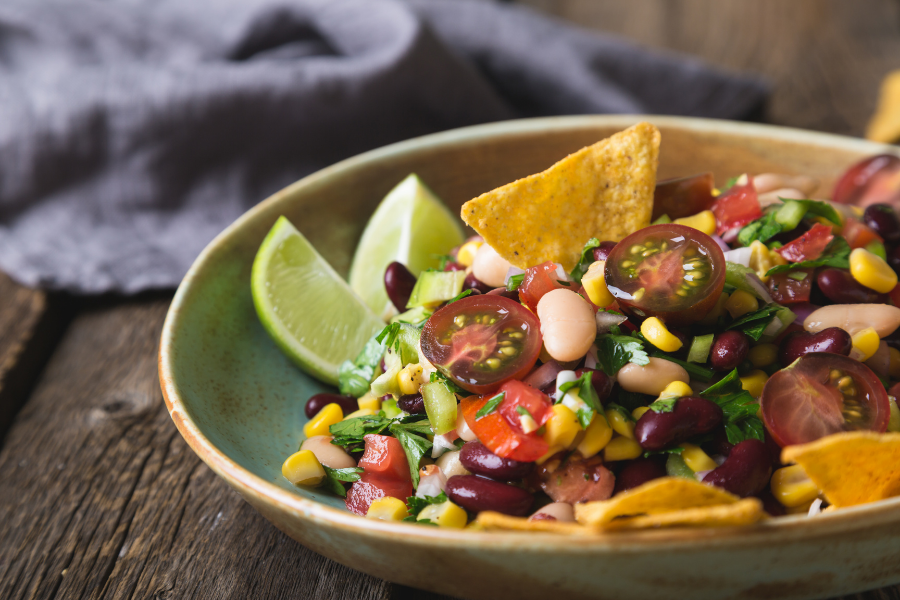
TEXAS/COWBOY CAVIAR 

15 Minute  serves 6

  • 1 can (15 oz) each) black beans, black-eyed peas, drained and rinsedUntitled design - 2021-07-29T164942.086
  • 1 can (12 oz) (341 ml) corn, , (don’t drain)
  • 1 can (10 oz) (284 ml) mild chopped tomatoes with green chilies, ( I like Rotel Brand)
  • 1/2  each red yellow and orange pepper, diced
  • 1/3-1/2 cup red onion, diced
  • 1/3-1/2 cup cilantro, chopped and loosely packed

Southwestern Vinaigrette Dressing ingredients:

  • 1 tablespoon oil  
  • zest of 1 lime
  • 2 tablespoons lime juice ( approximately 1 lime)
  • 2 tablespoons red wine vinegar
  • 2 teaspoons pickled jalapeño juice
  • 2 teaspoons sugar
  • 1 teaspoon Chili Powder
  • 1/2 teaspoon ground cumin
  • 1/2 teaspoon garlic salt (not powder)
  • 1/4 teaspoon onion powder
  • 1/4 teaspoon salt
  1. First, whisk together the ingredients for the Southwestern Vinaigrette in a small bowl and set aside
  2. Now add the drained and rinsed beans and black-eyed peas to a large salad bowl along with the corn, tomatoes, and the chopped onions, veggies, and cilantro. Pour the vinaigrette dressing over the top.
  3. Mix well and serve right away or chill in the fridge for 30 minutes and give it a mix before serving.

Easy Peasy! Enjoy!

SUPER QUICK SUMMER MEAL FOR THE FAMILY

One-Pot Farmer’s Market Pasta in less than 25 minutes   Prep Time10 minutes Cook Time15 minutes Serves 4-6

IngredientsUntitled design - 2021-07-29T164542.607

  • 12 oz spaghetti 
  • 1 medium red onion peeled, halved, and sliced
  • 1 small summer squash halved lengthwise and sliced
  • several stalks asparagus cut in 2-inch pieces
  • a handful of broccoli florets cut in half
  • 2 cups cherry tomatoes halved             
  • 1 colorful bell pepper chopped
  • 2 cloves garlic peeled and minced
  • 2 handfuls of baby greens 
  •  1 tsp salt and lots of fresh cracked pepper to taste
  • 1/2 tsp red pepper flakes, optional          
  • 2 Tbsp olive oil
  • 1 cup dry white wine (optional..replace with water)
  • 3 1/2 cups water/stock
  • 1 Tbsp white wine or sherry vinegar (a must!)
  • 1 cup shredded hard Italian cheese (optional for vegans)

Garnish

  • halved cherry tomatoes
  • 1/2 cups finely shredded basil leaves

Directions

  1. Put everything except the cheese, into a large pot. Add the wine and water (measure exactly since you will not drain the pasta) to the pot and bring up to a boil. If your pasta doesn’t fit completely into the pot, nudge it down into the water as it softens. Cover the pot while it comes to a boil then uncover and boil for about 7-9 minutes, until the pasta is just al dente. Babysit the pan a little bit to ensure that the pasta doesn’t stick. Don’t overcook the pasta, there will still be some water left in the pan.
  2. Toss the pasta with the cheese, and serve with the extra tomatoes and lots of fresh basil.

notes and variations

  • Don’t skip the tomatoes.  The rest of the veggies remain intact, but the tomatoes break down and help to form a sauce with the starchy pasta water and the cheese. You can use lots of different veggies for this dish, whatever looks good. Mushrooms would work well, also summer squash, cauliflower. Tomatoes are a must, though.
  • Don’t skimp on the cheese, for the reason just mentioned. 
  • Pay attention to flavoring the pot.  In addition to salt, I like lots of black pepper, red pepper flakes, and my secret flavor weapon, a dash of sherry vinegar. 
  • Don’t forget the fresh garnishes.  Reserve some little tomatoes and a big handful of fresh basil for topping the cooked pasta.

BASED ON A MARTHA STEWART RECIPE THAT IS A ADAPTATION OF AN ITALIAN FAMILY RECIPE

Why Is Eating The Rainbow So Important?

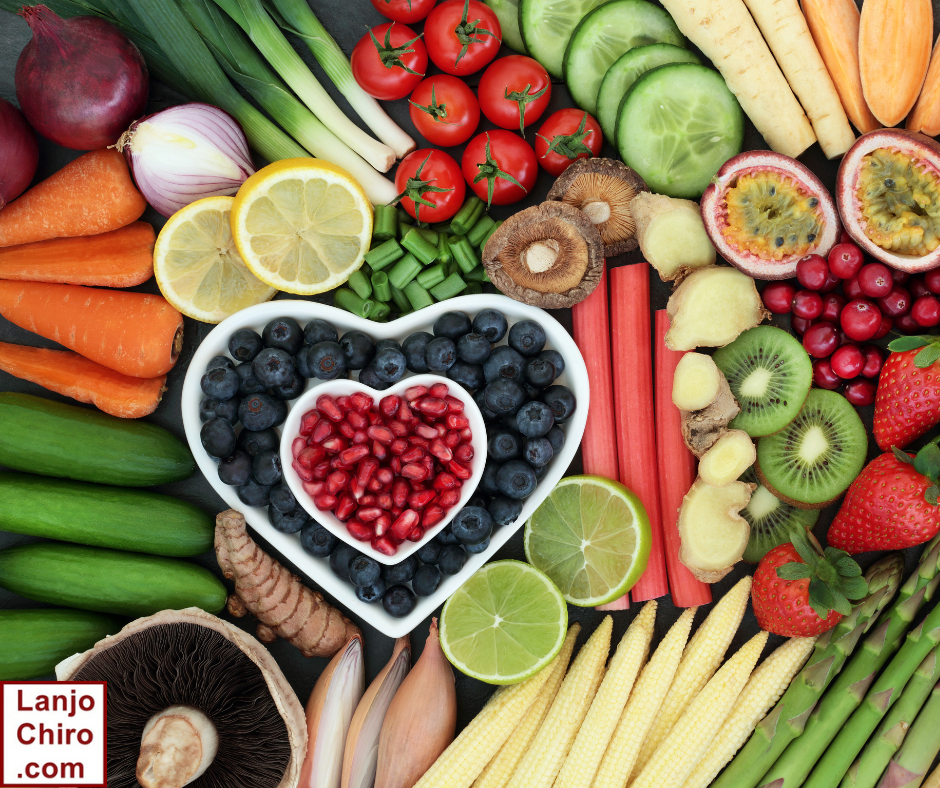
Each color comes with a set of its own nutritional profiles; these attribute to an all-around healthier lifestyle. Just like with processed foods – everything should be eating in moderation, and even the healthiest of foods is no exception. We need variety in our life to be reaping the benefits in the entire spectrum. Here Amanda lays down the nutritional benefits for each color and some fun and delicious ways you can enjoy them with a few special Rebel Recipe recipes to really fuel your appetite. 

Untitled design (86)

Red Food – Heart Healthy 

Our heart is so important, for emotional and mental health, but also for our physical health. Foods like tomatoes, apples and red onions are well known for their heart health properties. So, ‘an apple a day’ really can keep the doctor away! Braeburn apples are top of the list; are not only a healthier sweet treat but they can pack a dose of energy when that 3 pm slump hits. 

A heart-healthy Bolognese packed with tomatoes and red onions is also a fantastic way to up your reds; a fun way to get kids even more excited is to use that Bolognese on top of a pizza base! Delicious and family-friendly.

Orange & Yellow Foods – Eye See You

If you look right in the center of your retina you will see that there is a yellow spot filled with orange pigments. These pigments are called carotenes, which help to protect our vision. And what does carotene sound like? Yep, you got it – CARROTS. Carrots, sweet potatoes and mango are extremely rich sources of carotenoids. 

In fact, the carotenes in mangos are twenty times more absorbable in the body than those of carrots, so don’t just limit your choice of orange foods to just carrots. Get a little more tropical and experiment with new flavors and textures. Think papaya and Sweet Melons and of course mangos 

Fun fact: peeling carrots can reduce their health properties by more than half. Simply wash and eat..

Want to really boost the rainbow and your carotene? Try roasting your carrots for a healthy boost of carotene

Green Foods – Brilliant Bones 

When we think of foods to build strong bones and teeth, it’s usually dairy products that pop to mind. But guess what – green foods are actually better for your bones than milk!

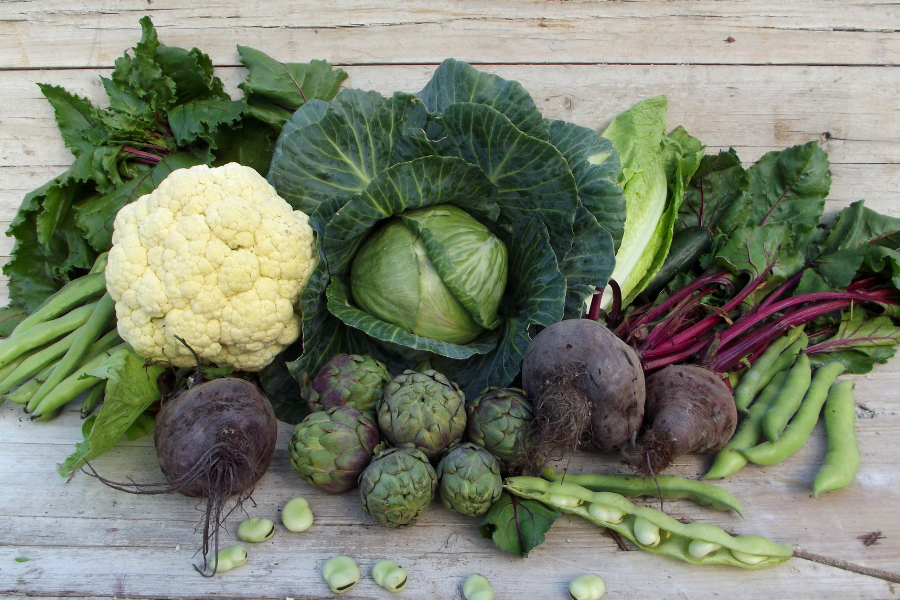
Cabbage, kale, and broccoli are some of the top products that help boost your bones. Look for lots of different ways to add these veggies into your diet by roasting them and serving with a bright chimichurri sauce for example, or check out a recipe for bubble and squeak.

Did you know: It takes up to ten times trying a new food for your taste buds to become acquainted with the flavor? So, set yourself a goal and choose a portion of food to try 10x and see what happens. Remember, the overboiled Brussel sprouts (ughhhhh) of childhood can be replaced by an awesome great shredded, oven-roasted sheet pan dish that could include but not limited to at least one veggie from each of the colors of the rainbow.

I love a dish that includes carrots, baby tomatoes, cauliflower, broccoli, peppers, diced sweet potatoes, mushrooms, corn, and even purple baby potatoes all roasted in the oven at a fair heat and served with a sauce of choice!.

 Blue and Purple Foods – Brain Fuel

Not only are blue and purple-colored foods great for our mental health, but foods like blueberries, blackberries, blackcurrants, and grapes can also give you a brain boost.

One of the quirky things about these berries is that they are actually able to find their way into the areas of our brain that are essential for intelligence; they are also good for slowing the rate of mental decline.

With Summer here, platters of chopped raw veggies with a dip or two/ hummus is a great way of covering the whole range of veggies colors.

 Reprinted from Rebel Recipes blog.

Tips to incorporate more veggies. From Dr.C.

Buy a rainbow selection of veggies ( a lot of veggies like carrots and celery can be precut and stored in baggies/containers….once a week prep time saves lots of frustration) Make platters with a variety of veg and cheese chunks and a dip in place of a salad….

I like to place a variety of bowls with things like veggies, spring onions, olives, shredded lettuce, and microgreens out on a counter, along with diced feta and cheddar cheese of choice and perhaps 2 or 3 dressings (my new fave is Panera’s Fuji apple…OOOH) and let everybody make their own selection. Toasted nuts such as pecans, walnuts, pumpkin seeds, and croutons (homemade is best) finish off the presentation.

Everything can basically be pre-prepped and stored in containers for easy grabbing and in summer supper is on the table double-quick time

With mac and cheese dishes, I have been known to roast/steam broccoli, mushrooms, onions, and shredded spinach and stir that into the mix.  If you have fussy eaters make side dishes of the veggies and offer them as add-ons to suit.

One-pot casserole dishes are also a great place to hide veggies….grated zucchini, shredded spinach, steamed and mashed cauliflower are just some ingredients that can hide in a dish

GOLDEN RULE: NEVER TELL ANYONE WHAT YOU ARE DOING IF YOU HAVE PICKY EATERS!!!