Researching Chiropractic: Scoliosis, Parkinson’s, and Post neck fusion

Chiropractic clinical case histories have been a regular feature of our patient newsletter since its inception. There seems to be no limit to the health problems that respond to chiropractic care. How many people suffering, on drugs, facing a life of limitation could be helped by chiropractic care? 

Probably most of them.

Post neck fusion adjustmentPost neck fusion adjustment

This is the case report of a 43-year-old woman suffering from neck and mid-back pain and stiffness, migraines, shoulder pain, low energy and decreased performance of activities of daily living. She had undergone a surgical fusion of her neck (cervical spine) to help her symptoms, but after the surgery her symptoms remained.

The woman received chiropractic care over 3 months and follow up X-rays showed improvement in neck curve and posture. Her head was sitting atop her spine in a more balanced position.

She reported improvements in neck and mid-back pain/stiffness, shoulder pain, energy levels, performance of activities of daily living, and frequency, duration, and severity of migraine episodes. (1)

Scoliosis reduction in a 7-year-old boy Scoliosis reduction in a 7-year-old

A 7-year-old boy was brought in by his parents because of a recent diagnosis of scoliosis. His mother was worried about the diagnosis especially since the orthopedic surgeon told her that he should wear a brace because the curve was worsening: the angle of his scoliosis (Cobb angle) was measured at 25°. The mother decided to seek an alternative approach. The child had no pain or other complaints.

Chiropractic examination revealed subluxations in the cervical and thoracic spine as well as in the sacrum. The child was seen three times a week for a total of 16 visits.

After the adjustments, he was X-rayed again. His scoliosis (Cobb angle) decreased over 50%, from 25° to 11°. In addition, his high left shoulder was level and the muscle tone in his mid-back was more relaxed (less hypertonicity). The child continues to receive weekly chiropractic visits and future improvements are expected. (2)

Parkinson’s and chiropractic careparkinsons and chiropractic

Parkinson’s is the second most common Neurodegenerative  disease after Alzheimer’s. Neurodegenerative diseases are increasingly a source of suffering and death. Can chiropractic help?

This is the case of a 76-year-old man with Parkinson’s disease. He came to the office with right-sided tremors, memory loss, balance issues, constant leg pain, occasional poor circulation, and decreased muscular strength. He needed to use a walker. He had been diagnosed with Parkinson’s disease by his neurologist in 2010 and was taking 10 doses of leva-dopa a day.

A chiropractic analysis revealed the patient to have many postural distortions in addition to an upper cervical (C-1) subluxation that was affecting his brain stem.

After the first adjustment, the patient no longer needed a walker and his tremors decreased.

He continues care and his tremors and other Parkinson’s symptoms continue to lessen. His neurologist decreased his medication by 50%. He remains under care. (3)


  1. Fedorchuk C, Lightstone, DF, Andino H. Failed neck surgery: improvement in neck pain, migraines, energy levels, and performance of activities of daily living following subluxation correction using Chiropractic BioPhysics® Technique: a case study. Annals of Vertebral Subluxation Research. May 18, 2017:93-100.
  2. Tokar CS, Moore RT. Reduction of scoliosis in a 7-year-old male following chiropractic care: a case study & selective review of the literature. Journal of Pediatric, Maternal & Family Health – Chiropractic. 2017;2:65-73.
  3. Friedman R, Powers S. Improvement in Parkinson’s disease symptoms following upper cervical chiropractic care: a case study & selective review of the literature. Journal of Upper Cervical Chiropractic Research. June 5, 2017:22-30.

Naked Spinach Quinoa Lasagna Casserole

Spinach Quinoa Lasagna Casserole

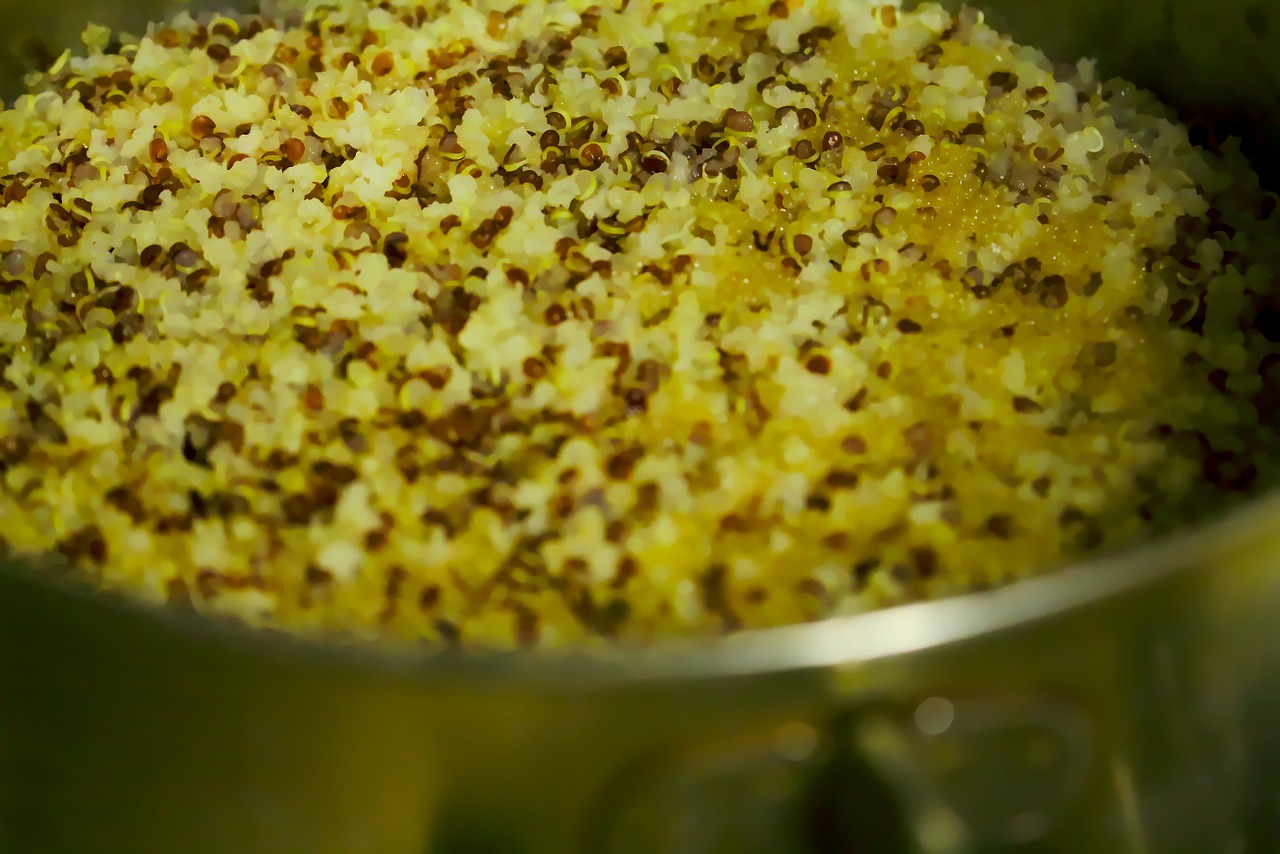
  • 1.5 cups  Sprouted Quinoa (Meijer carries this in the rice aisle)
  • 2.5 cups mushrooms, diced
  • 4 cups spinach, fresh
  • 1 cup yellow onion, finely diced

MARINARA MIXTURE

FOR THE TOP

  • 4 medium tomatoes, sliced
  • 1.5 cups shredded mozzarella
  1. Preheat oven to 375ºF and spray your casserole dish with coconut oil cooking spray (be generous!).
  2. Next, prep veggies by chopping the mushrooms and finely dicing the onions. Place the veggies (including the spinach) into the greased casserole dish.
  3. Next, add Sprouted Quinoa into the casserole dish. Set aside.
  4. In a medium size bowl, mix together all ingredients for the marinara mixture.
  5. Add the marinara mixture to the casserole dish. Use a large spoon to mix all ingredients together, making sure everything is (mostly) covered.
  6. Cover with tin foil and bake for 30 minutes. Then, remove and stir. It will still be a little soupy, but don’t worry this is how it’s supposed to be! Place back in oven for 30 minutes, covered.
  7. Remove, add sliced tomatoes and mozzarella to the top and place it back in the oven for 2 minutes. Remove and let cool for 10 minutes before serving. Serve with fresh basil and a glass of red wine for best results

YUMMMYYYYY!!!

Singing, Dancing, Boxing and Chiropractic

Are you a singer?

What do the Rolling Stones, Pink Floyd, Kiss, Neil Diamond, The Who, Madonna, Santana, Guns and Roses and loads of other singers and rock and rollers have in common? They receive chiropractic care (often backstage before the performance).

How about coming in and serenading the office while you receive care?

singers and chiropractic

Are you a dancer? 

Dancers love chiropractic. Come in and have better balance, control and coordination. Even top companies use chiropractors. How about coming in and dancing for everyone in the office?

dancers and chiropractic

Are you a boxer?

Did you know that the world’s greatest boxers see chiropractors?  How about coming in to the office and punching somebody? Ooops, forget that. We got carried away. Maybe just sign autographs instead.

boxer and chiropractic

Do Food Dyes Affect Behavior?

 This article is from Wellness Mamafood dyes

Coloring Easter eggs with the smell of vinegar in the air, brightly colored sweetened drinks or candies and neon gelatin jigglers (not even healthy ones)…. Those were my childhood memories involving food dyes, and they were great memories.

Most of those foods bring back memories of special times with family, playing outside with neighbors or visits to my Grandma’s house, but my own children (hopefully) won’t associate these memories with brightly colored foods.

This time of year especially, food dyes are especially popular as millions buy little pellets of artificial dyes to color easter eggs and brightly colored jelly beans, marshmallow chickens and more to adorn Easter baskets.

But should our celebrations include these dyes? Short answer: no. Long answer…

food dyes easter eggs

Rose Colored Glasses – Are Food Dyes Harmless?

When I was younger, I never even thought about questioning the safety of food dyes. I assumed that if food dyes were allowed in foods, they must be safe.

Certainly, the food dyes were not the only problems with many of the foods I used to consume and I cringe when I think about the sugar, artificial sweeteners and chemical additives, but food dyes deserve their own scrutiny, especially since they are added to so many foods that are marketed to children!

When we think about it, it seems logical that consuming candy, drinks, or foods with added petroleum based colorings not found in nature might be problematic, but the problem is just that… often we don’t stop and think about it.

Think artificial dyes are a harmless or a minor ingredient? Consider this…

  • Food companies add more than 15 million pounds of artificial food dyes to foods each year (Over five times the amount added to the food supply when our parents were children)
  • Artificial food dyes have been linked to behavioral problems, various types of cancers and other problems (1)
  • The European Union requires foods with food dyes to come with a warning label and has banned many of the dyes still used in the US
  • Many people come in contact with food dyes without even realizing it in toothpastes, crackers, pickles, yogurt, potato chips, pastas and other foods that would not be obvious sources of dyes

What’s In a Dye?

There are seven artificial food dyes approved for use in foods in the US. The most commonly used dyes are Red 40, Yellow 5, and Yellow 6, which make up 90%+ of the market.

These dyes are created synthetically in several ways. Some dyes are created by burning coal tar and others are derived from petroleum byproducts like tartrazine and erythrosine.

These artificial dyes are added to foods to enhance their color and make them more “kid friendly” but they are nutritionally void and potentially harmful. Many food dyes have already been banned by the FDA after research found that they caused substantial health problems (from minor illness to cancer) and surprisingly little research has been done to prove that the remaining seven dyes are safe.

Seeing Red: Artificial Food Dyes and Behavior?

In the EU, foods containing artificial food dyes are required to carry a warning that:

Consumption may have an adverse effect on activity and attention in children.

Those same foods are routinely marketed to children in the US without any such warning. The FDA currently holds the position that they have not found any conclusive evidence that food dyes cause behavior problems in children but that some children who are susceptible will notice increased symptoms of ADHD from consumption of food dyes:

Exposure to food and food components, including artificial food colors and preservatives, may be associated with adverse behaviors, not necessarily related to hyperactivity, in certain susceptible children with ADHD and other problem behaviors, and possibly in susceptible children from the general population.

The Center for Science in the Public Interest (CSPI) released a 68-page report detailing the potential of artificial food dyes to contribute to hyperactivity in children, increase cancer risk and lead to other health problems.

Research suggests that some children may be susceptible to even tiny amounts of artificial dyes but that a significant number of children were affected by amounts over 35 mg per day. Recent research from Purdue University showed the amount of dyes in common foods was much higher than expected and that one bowl of brightly colored cereal or some candy and macaroni and cheese was enough to break the 35mg threshold.

In fact, it was estimated that many children are consuming 3-4 times the 35mg amount per day.

The research on artificial dyes and behavior is still developing, but the personal experience of many moms is astounding. I have friends who noticed a drastic difference in their children’s personalities after removing dyes and who can immediately tell if their children have consumed a food with dyes by the drastic behavior change.

Again- these cases are not scientific research, but for parents of children struggling with hyperactivity, dietary changes might be worth a try.

Feingold Diet and Elimination Diets

Dr. Benjamin Feingold first published a book called “Why Your Child is Hyperactive” in the 1970s. A pediatrician and allergist, Feingold suggested that certain food additives, including artificial dyes, contributed to hyperactivity and symptoms of ADD or ADHD in children.

His book detailed his protocol for reducing these problems in a two-stage approach:

  1. The first stage removes food additives including dyes and salicylate compounds found in some natural foods, as well as chemicals in personal care products and cleaning products. Natural foods containing salicylates include: “Almonds, Apples, Apricots, Berries, Cherries, Cloves, Coffee, Cucumbers, Currants, Grapes, Nectarines, Oranges, Peaches, Peppers (bell & chilli), Pickles, Plums, Prunes, Raisins, Rose hips, Tangelos, Tangerines, Tea, Tomatoes.”
  2. Stage 2 helps identify which of the salicylate compounds are not tolerated and develop a long-term plan

The Feingold protocol is still popular today and many moms use this program to help determine if food additives are causing problems for their children. A modified approach to this diet seems more popular in online support groups for moms of children with hyperactivity or allergies. In most cases, it seems that parents notice a benefit to their children from removing artificial dyes, MSG, and excess sugar.

To Dye For: The Bottom Line

Artificial food dyes do nothing to improve the nutritional value of food but simply enhance the color, making processed foods more attractive, especially to children.

While these chemical dyes are still legal for use in the US, they have been banned or carry warning labels in the EU and other countries. The same food companies that sell foods with artificial dyes in the US produce naturally colored versions to sell in other countries, proving that it IS possible to create even their processed foods without the artificial dyes.

Most foods that contain artificial dyes are highly processed anyway and are wise to avoid, but food dyes can be added to unexpected foods like pickles, fresh oranges, meats, yogurts, crackers, canned fruits and much more.

Since these artificial dyes don’t add anything beneficial to foods and are most often found in highly processed foods, nothing is lost by avoiding them. Don’t wait for regulation or warnings, just ditch these foods now.

What to do?

Artificial food dyes are just one item on an ever-growing list of reasons to avoid processed foods. Unfortunately, food dyes can be sneaky so avoiding them can take some effort. Here are some tips:

  • Buy organic– dyes can be hidden in produce, meats, pickles, salad dressings and other foods. Buy organic whenever possible and read labels.
  • Stick to real foods in whole form– A head of broccoli or bunch of spinach is much less likely to contain food dyes than any food that comes in a box or bag.
  • Check Personal Care Products– Many toothpastes, mouthwashes, shampoos and makeups contain artificial dyes as well. Though these are not being ingested, research indicates that they can be absorbed by the body and evidence is lacking on skin safety for these dyes.
  • Use Natural Alternatives– For common artificial food dye containing recipes that you make at home, consider using a naturally derived dye

Do you have any experience with artificial food dyes? Do you let your children consume these foods?

Share your experiences in the comments below.

Latest News From Charmaine: August 2017 Newsletter

Greetings all,

Some of the women from today's Senior Olympics..,great job ladies!

Some of the women from today’s Senior Olympics..,great job ladies!

By the time this newsletter gets into the hands of most of you, my MI Senior Olympic Powerlifting event will be over (yay for aging up). I took first in my weight and age class.

The solar eclipse is on it’s way (Monday, August 21) and the kids are headed back at school and summer is slowly winding down.

That’s a lot of mile-markers to pack in such a short time.

On the upside, fresh produce is abundant, the weather is glorious and Mr. Alfred is growing like a weed and smiles abound.

Of special note in this newsletter…. Read the article about food dyes and let’s all try and make a commitment to eat a cleaner, more natural diet. It’s good for the planet and for our bodies!!!

See you in the office, on the table, under the barbells or on the mat…Happy Day y’all!

Cranberry Lentil and Quinoa Salad

Serves 4cranberry quinoa salad

Ingredients

  • 1 cup dried lentils
  • 2 bay leaves, divided (optional)
  • water to cover
  • 2 cups water
  • 1 cup quinoa

Dressing:

  • 3 tablespoons lemon juice
  • 1 teaspoon honey
  • 1 tablespoon white wine vinegar
  • 1/4 teaspoon salt
  • 3 tablespoons olive oil
  • ground black pepper to taste
  • 1/2 cup coarsely chopped walnuts, toasted
  • 1/2 cup dried cranberries, or to taste
  • 1/2 cup crumbled feta cheese
  • 1 small green onion, finely chopped

Directions

  1. Place lentils and 1 bay leaf in a saucepan with enough water to cover and bring to a boil. Reduce heat to medium-low and simmer until lentils are tender, about 30 minutes; drain and discard bay leaf. Rinse with cold water until lentils cool and transfer to a large bowl.
  2. Bring 2 cups water, quinoa, and remaining bay leaf to a boil in a saucepan. Reduce heat to medium-low, cover, and simmer until quinoa is tender and water has been absorbed, 15 to 20 minutes. Rinse quinoa with cold water until cool, discarding bay leaf. Stir quinoa into lentils.
  3. Heat lemon juice in a microwave-safe bowl in a microwave until warm, about 30 seconds. Stir honey into juice until dissolved. Add vinegar and salt; whisk in olive oil and season with black pepper. Pour lemon juice mixture into lentils and quinoa.
  4. Mix walnuts, cranberries, feta cheese, and green onion into lentil and quinoa salad. Toss to coat. Refrigerate until chilled, about 1 hour.

Potato Salad with Green Beans and Salsa Verde

From FoodandWine.com

Serves 6-8

A terrific salsa verde makes this velvety potato salad extraordinary. Here the salsa is made with parsley and chives; try making it with other summer herbs, like tarragon or basil, as well.

Ingredients

  • 1/4 cup extra-virgin olive oil
  • 1/4 cup minced chives
  • 1/4 cup finely chopped parsley
  • 2 tablespoons finely chopped mint
  • 1 teaspoon finely grated lemon zest
  • 2 tablespoons fresh lemon juice
  • 1 large garlic clove, minced
  • Salt
  • 1 1/4 pounds Yukon Gold potatoes, peeled and cut into 1-inch cubes
  • 2 tablespoons unsalted butter
  • 1 1/2 pounds green beans, trimmed
  • Chive blossoms, for garnish (optional)

Directions

  1. In a medium bowl, combine the olive oil with the chives, parsley, mint, lemon zest, lemon juice and garlic and season with salt. Let the salsa verde stand at room temperature for 15 minutes to 1 hour.
  2. Meanwhile, in a large saucepan, cover the potatoes with cold water, add a large pinch of salt and bring to a boil. Cook the potatoes over moderately high heat until just tender, about 8 minutes; drain and return them to the saucepan. Add 1 tablespoon of the butter and toss to coat. Season with salt.
  3. Bring a large pot of salted water to a boil. Add the beans and cook until crisp-tender, 4 minutes; drain. Return the beans to the pot and stir in the remaining 1 tablespoon of butter. Season with salt.
  4. Add half of the salsa verde to the potatoes and half to the beans, stirring to coat. Transfer the beans to a serving bowl. Top with the potatoes, garnish with the chive blossoms and serve right away.

Paella Primavera

Serves 6Paella Primavera

Who needs a paella pan? A large skillet stands in for the wide, shallow two-handled cookware in this quick veggie-laden version of the classic Spanish rice dish. Just like its pasta namesake, Paella Primavera lends itself to endless variation. You can substitute zucchini for broccoli in the summer; in the fall, replace half the broccoli with cubed butternut squash

Ingredients

  • 2 1/2 tsp. olive oil
  • 1 red bell pepper, chopped (1 cup)
  • 6 green onions, thinly sliced (1 cup)
  • 3 cups low-sodium vegetable broth
  • 3 cloves garlic, minced (1 Tbs.)
  • 1 tsp. crumbled saffron threads
  • 1 cup short-grain white rice, such as Valencia
  • 3 cups broccoli florets
  • 1 cup fresh or frozen baby peas
  • 1 cup halved grape or cherry tomatoes
  • 12 each pitted green and black olives, halved
  • 1 lemon, cut into wedges
  • 1/4 cup chopped fresh parsley

Directions

  1. Heat oil in large nonstick skillet over medium heat. Add bell pepper and green onions; cook 5 minutes. Stir in broth, garlic, and saffron; bring to a boil. Sprinkle rice over ingredients, reduce heat to medium-low, and simmer, covered, 10 minutes.
  2. Sprinkle broccoli, peas, tomatoes, and olives over rice. Cover, and cook paella 8 minutes, or until rice is tender. Remove from heat, and let rest, covered, 5 minutes. Season with salt and pepper, if desired. Serve with lemon wedges and parsley

Researching Chiropractic: Studies in helping people

Chiropractic clinical case histories have been a regular feature of our patient newsletter since its inception. There seems to be no limit to the health problems that respond to chiropractic care. How many people suffering, on drugs, facing a life of limitation could be helped by chiropractic care?

Probably most of them.

Chiropractic Care and Breech Birthchiropractic care

A 35-year-old woman was 34 weeks pregnant when she came in for chiropractic care. She had a history of breech births and cesarean sections. This time she wanted a vaginal birth after cesarean (VBAC). She had heard chiropractic care can help a baby turn from a breech presentation to a more natural position.
Over the course of two weeks of care she had four chiropractic adjustments. The baby turned in a normal vertex position for a vaginal delivery and the patient went on to have a successful, natural, vaginal birth process with no reported complications. (1)

Chiropractic Care and Stroke

A 58-year-old male presented to a chiropractic office complaining of left hip pain. He had suffered a stroke 18 years earlier (at age 40!) and still had been experiencing residual paralysis in both hands and widespread muscle spasticity. His right hand was involuntarily contracted in a complete fist. The patient’s medical doctor told him that these problems were permanent.chirorpactic care

After 13 months of chiropractic care addressing his vertebral subluxations, the patient had improved control of fine motor skills, decreased muscle spasticity and was able to turn pages of a book with his right hand and lay his hand flat on a table with no assistance. The patient was also able to move well enough to put on his own jacket, button and zip it, with no assistance. He can now exercise on his Pilates machine, which he had been unable to do since before his stroke. Incidentally, the patient has not had to increase his eyewear prescription since beginning chiropractic care. (2)

Chiropractic Care and Seizures in a four-year-old

A four-year-old boy was brought in for chiropractic care with the following symptoms: eye rolling, pursing of the lips, loss of balance, delayed speech and up to three seizures per day. chiropractic care

His neurologist diagnosed him with intractable frontal lobe epilepsy at the age of eighteen-months. He had been on antiepileptic drugs without improvement. The neurologist recommended that a frontal lobectomy be performed.

Chiropractic analysis revealed a subluxation of the C1 (atlas) vertebra that was corrected on his first visit.

At his second visit three days later the mother stated that he had not experienced any seizures since the first adjustment.

He has been under care for seven months and his parents report significant improvements in their son’s balance, speech and a significant decrease in eye rolling as well as significant improvement in coordination and overall quality of life. His seizures have decreased to about three a week so far. (3)


Resources:

  1. Drobbin D, McClain B.Resolution of breech presentation and successful VBAC in a patient undergoing Webster Technique: a case study & selective review of the literature. J Pediatric, Maternal & Family Health – Chiropractic. 2017;2:44-53.
  2. Dunton T, Pallis RJ. Improvement in major residual effects of stroke followingchiropractic care to reduce vertebral subluxation. Annals of Vertebral Subluxation Research.April 17, 2017:64-71.
  3. Lieberman B, Hapner-Petron S.Reduction of seizures in a four-year-old male with intractable frontal lobe epilepsy following upper cervical chiropractic care: a case study. J Pediatric, Maternal & Family Health – Chiropractic. 2017;2:57-64.

Diet Drinks, Stroke and Alzheimer’s

Avoid Eating and Drinking Things that Lead to Stroke and Alzheimer’s

So many things we were told were good for us turned out to be bad for us. People thought margarine was better than butter – now they know margarine causes heart disease.

People thought canola oil was a healthy oil but now we know it’s related to heart inflammation. We thought vegetable oils were better than animal fats but later the reverse was discovered.

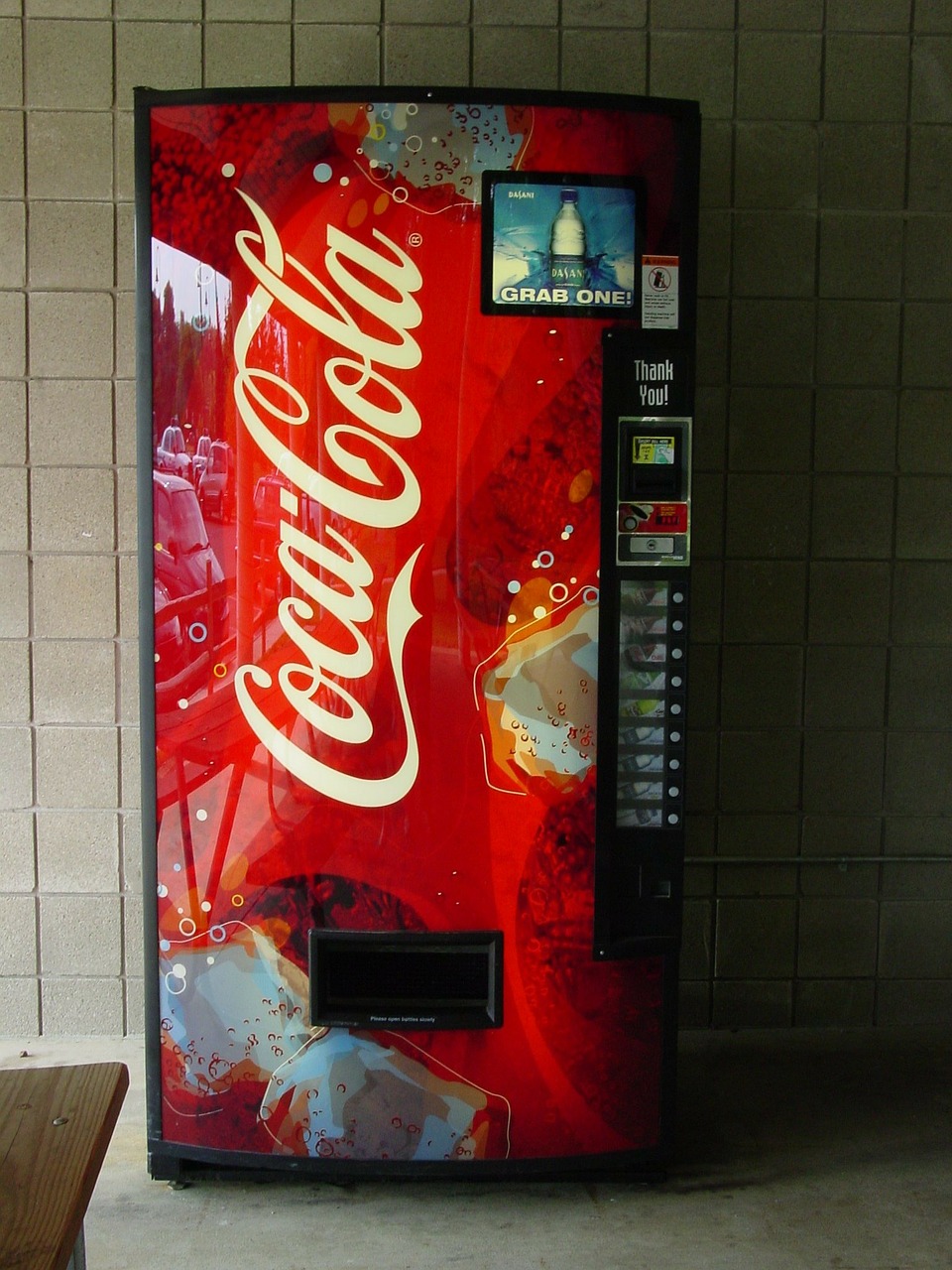
Diet Soda is NOT GOOD FOR YOUdiet soda causes alzheimer's

So, here’s another thing we thought was good (or at least better) but is actually worse for us: diet soda.

Rather than keeping you slim it was found that diet drinks make you fat; the chemical that makes them sweet makes you crave carbohydrates. But the commercials show thin people drinking diet soda (the power of marketing).

One Diet Soda a Day Triples Your Risk

And now it gets worse. A new study reveals that artificially sweetened soft drinks are associated with an increased risk of ischemic stroke and Alzheimer’s. In fact, even drinking just one artificially sweetened diet Coke or Pepsi a day was associated with a three times greater risk of later developing dementia and stroke.

The researchers found that people who drank a diet soda daily were three times more likely to develop a stroke caused by a blockage of blood vessels and 2.9 times more likely to develop dementia than those who drank an artificially sweetened soda less than once a week. (1)

As the old saying goes, “If your grandparents, or great grandparents didn’t have it, then don’t eat, drink, wash with or breathe it.


  1. Sacco R, Himali JJ, Beiser AS et al. Diet drinks and possible association with stroke and dementia; current science suggests need for more research. American Heart Association Stroke Journal Report. April 20, 2017.