Archive by Author

DE-STRESS THE HOLIDAY SEASON

de-stress-relaxWith the gift-giving, the cooking, the decorations and the parties, the holidays can seem to be more like work than a vacation. Here are some ideas how to make the most of your holiday season.

Seek a fresh perspective

Make a change. Take one task that drives you crazy during the holidays and tackle it in a new way. A fresh approach just might make a difference. For example, if you dread having to send out holiday cards, enlist your spouse and split the list/send e-cards or send a photo card of a great memory.

Be satisfied with “good enough.”

“Don’t always go for bigger and better,” when planning your holiday, advises Loretta LaRoche, author of Life Is Not a Stress Rehearsal. “Does the tree have to be bussed in from the hinterlands of Alaska?” she quips. “Isn’t a little bush enough?”

Do you have to cook 12 dishes of “traditional foods” because everybody expects it? Think back and remind yourself about the barely touched/ignored dishes and don’t cook them. If you get any grumbles suggest the “grumblee” make that dish next year.  Split the load and assign tasks ahead of time so that you can be a party to the party.

Drop Expensive, High-stress Ritualsde-stress the holidays

If you’re dragging your kids off to see The Nutcracker—it’s a tradition!—but they’re whining every step of the way, make a switch. True, families thrive on traditions, but it’s less about the event itself, which your kids may have outgrown, and more about time together. If your kids are complaining, drop expensive, high-stress rituals in favor of something simple and universally appealing, like a Christmas Eve chocolate-chip pancake feast.

Remember to Have Fun

As you take part in trimming the tree or preparing the cookies with your kids/friends, take a deep breath and savor the moment. Give yourself permission to forget about all those tasks still left on your to-do list. Focus on being present and in the now!

Pack Smart

Tuck everyone’s sleepwear and toothbrushes in one easy-to-reach bag. That first night when you arrive at Grandma’s house or another destination, you won’t be fumbling through every suitcase before bedtime.

Hold on to Daily Rituals

If you like to read for half an hour before bed, don’t give it up in favor of yet another holiday chore. Our everyday practices help calm and center us.

Schedule  de-stress-take-a-drive

During the busy holiday season, Brenda DeHaan of Wagner, South Dakota, and her husband seek out one afternoon of serenity. Each year the couple embarks on a leisurely drive, with a stop to observe the eagles that winter alongside the Missouri River. “It’s a peaceful time, when we don’t worry about rushing anywhere,” says Brenda. Can’t escape for a whole afternoon? Then head outdoors for a refreshing change of scene- bundle up and take a starlit nighttime stroll through your neighborhood to view the holiday lights.

What do you do to de-stress during the Holidays?

We want to know. Maybe it will help another reader avoid the crazy-making this time of year.

Friday Giggle: Science and Management

Because laughter really IS the best medicine!science-and-management

A man in a hot air balloon realized he was lost. He reduced altitude and spotted a woman below. He descended a bit more and shouted, “Excuse me, can you help me? I promised a friend I would meet him an hour ago, but I don’t know where I am.”

The woman below replied, “You’re in a hot air balloon hovering approximately 30 feet above the ground. You’re between 55 and 56 degrees north latitude and between 3 and 4 degrees west longitude.”

“You must be a scientist,” said the balloonist.

“I am,” replied the woman, “How did you know?”

“Well,” answered the balloonist, “everything you told me is, technically correct, but I’ve no idea what to make of your information, and the fact is I’m still lost. Frankly, you’ve not been much help at all. If anything, you’ve delayed my trip.”

The woman below responded. “You must be in management.”

“I am,” replied the balloonist, “how did you know?”

“Well,” said the woman, “you don’t know where you are or where you’re going. You have risen to where you are due to a large quantity of hot air. You made a promise which you’ve no idea how to keep, and you expect people beneath you to solve your problems. You are in exactly the same position you were in before we met, but now, somehow, it’s my fault.”

Happy Friday!

Researching Chiropractic: Case studies in Low Back Pain, GERD, Ear Infections, and Autism

Chiropractic clinical case histories have been a regular feature of our website and patient newsletter since its inception. There seems to be no limit to the health problems that respond to chiropractic care. How many people suffering, on drugs, or facing a life of limitation could be helped by chiropractic care?

Probably most of them.

Please pass this along to anyone who might be dealing with, or have children suffering from:

  • Low back pain
  • GERD
  • Ear Inections
  • Autism

Low Back Paincase-studies-low-back-pain

Low back pain in an 8-year-old. The boy had been suffering from low back pain for two years. Various indicators for an upper cervical subluxation were found. The Blair upper cervical chiropractic technique was used to identify vertebral subluxations using specific radiographs. He received 5 months of chiropractic care using an upper cervical technique to correct the vertebral subluxation. He reported resolution of his middle and low back complaint. (1)

GERD and Chiropractic Carecase-studies-gerd

Improvement of GERD. A 37-year-old man had a two-year history of:

  • GERD (Gastroesophageal Reflux Disease)
  • mid-back (thoracic) pain
  • neck (cervical) and thoracic vertebral subluxations

When the patient began chiropractic care he received 12 spinal adjustments over the span of 3.5 months to specifically correct his cervical and thoracic vertebrae subluxations. He experienced a reduction in frequency of GERD symptoms and vertebral subluxations. He was able to maintain a less restrictive diet and remain asymptomatic and reported both quality of mental and physical health as improved and is currently satisfied with his condition. (2)

 Ear infection in a two-year-oldcase-studies-ear-infections

A 2-year-old girl was suffering from constant ear infections and fever. She started suffering when she was one month old, and since then had constant and regular antibiotics. When she came in for chiropractic care the MDs were recommending ear-tube surgery.

The goal of her chiropractic care was to assess, locate and reduce her vertebral subluxations so that her body would function closer to its optimum. After 36 visits, her otitis media was completely resolved, antibiotic use ceased and she never had ear-tube surgery. (3)

Autism and chiropractic case-studies-autism

Four children diagnosed with neurodevelopmental issues were given chiropractic care using techniques to specifically release stress on the brain and meningeal system. All four children showed measurable improvement not just in physical abilities but also in social engagement. (4)

Do you know someone who could benefit from Chiropractic Care?

Please pass along this information and encourage them to make an appointment today!


1.Herman CA. Resolution of low back pain in an 8-year-old following Blair upper cervical chiropractic care: a case report. Journal of Upper Cervical Chiropractic Research. July 28, 2016:24-30.

2.Madill J. Improvement of GERD following chiropractic care: a case study and selective review of literature. Annals of Vertebral Subluxation Research. July 11, 2016:53-60.

3.Steinberg B, Doerr A. Resolution of chronic otitis media, constipation & sleep disturbance following adjustment of subluxations in a 2-year-old child: a case study & review of literature. Journal of Pediatric, Maternal & Family Health – Chiropractic. 2016;3:75-79.

4.Rubin D, Wilson H, Harward R. Improvement in autistic behaviors following chiropractic care: the application of polyvagal theory and its relationship to pediatric chiropractic. Journal of Pediatric, Maternal & Family Health – Chiropractic. 2016;3:80-83.


Cholesterol: Good or Bad?

Did you know? cholesterol

Your body makes over 3000 mg of cholesterol every day. That’s equivalent to eating:

1 pound of butter or 300 strips of bacon or 14 eggs each and every day!!!

If you make that much every day, why is it bad?

It isn’t.

You need cholesterol

Cholesterol is good for you and needed by nearly every cell in your body. Cholesterol is needed to create your hormones and helps your brain, nervous system and internal organs function.

If you have inflammation in your body your cholesterol levels will be high – and for a good reason. Cholesterol is an antioxidant and helps fight inflammation.

The myth about heart disease

Cholesterol does not cause heart disease – that’s a myth that has been discredited.

However, if there is high cholesterol it means there is something in you causing inflammation. The goal should be to address the cause of the inflammation rather than to fight the symptom (high cholesterol).


Ravnskov U. High cholesterol may protect against infections and atherosclerosis. Quarterly Journal of Medicine. 2003;96:927-934.

Drugs, drugs, drugs?

drugs-drugs-drugsDo you take too many medications?

There are times when drugs are necessary, but the bottom line is that most of the time they aren’t.

Unfortunately, when you buy into the mindset that you need a drug to “fix” you, two things happen that begin to feed on each other, creating a never-ending loop of deteriorating health.

First, you are taking in a toxic substance. All drugs are toxic.

Second, drugs lie to you – drugs tell you that you are healthier but you aren’t! Instead you are just unable to feel an uncomfortable symptom.

Drugs don’t make you healthy

Over 100,000 Americans die each year from taking properly prescribed prescription drugs. Many people take more drugs to deal with the side effects from the first one, followed by another one, and another … ?

In 1929, the average American received less than two prescriptions per year. The CDC’s National Center for Health Statistics report “Health, United States, 2013” found that 48% of people said they were taking a prescription medication, compared with 39% in 1988-1994.

About one in four children took one or more prescription drugs in the past month, compared to nine in 10 adults 65 and older, according to the study.

Take a dose of chiropractic care instead

Chiropractic helps reverse that trend – by helping your body, your natural drugstore, make every drug you need to live a healthy life. Avoid being another medical drug statistic – chiropractic care is natural healthcare for you and your family.


National Center for Health Statistics. Health, United States, 2013: With Special Feature on Prescription Drugs. Hyattsville, MD. 2014. http://www.cdc.gov/nchs/data/hus/hus13.pdf

How is chiropractic different from regular (orthodox) medicine?

questions-and-answers-about-chiropracticQuestion: How is chiropractic different from regular (orthodox) medicine?

Answer: Chiropractic and medicine have different philosophies about life and health.

Perhaps the best way to explain the difference is by looking at how chiropractic (and other vitalistic/natural healing arts) approaches symptoms as opposed to how medicine views symptoms.

Chiropractors view the body as intelligent, and symptoms are mechanisms the body uses to re-balance and return to homeostasis. Chiropractors respect symptoms and do not work to suppress them.

The medical approach, on the other hand, sees the body as a passive “machine,” and symptoms as bad, with no purpose other than to cause damage. Therefore, MDs prescribe drugs to fight, suppress or counteract symptoms. While people on drugs may feel better (while the drugs last), constant symptom suppression drives disease deeper into the body leading to chronic (permanent) illness.

Chiropractors promote natural healing by helping your body use its symptoms to cleanse and detoxify. Chiropractors respect the wisdom of the body when it comes to symptoms.

Your Hips and Chiropractic: A Natural Alignment

They’re your hips!hips-and-chiropractic

You need them for a good golf swing, dancing, a healthy pregnancy and to support your spine (and head). They anchor your legs so you can walk and you sit on them too.

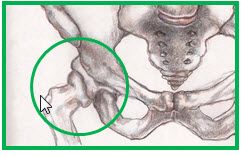
Your hips are really two large bones (each made up of three fused bones) that are attached to your sacrum – the base of your spine. They are strapped to your sacrum with lots of ligaments. Around your hips are lots of tendons that attach to many muscles.

What happens if your hips are out of alignment?

If your spine is out of alignment (it’s subluxated), your hips may “do the twist” causing one leg to appear shorter than the other.

One leg isn’t really shorter than the other. It just seems that way because your legs attach to your hips. If one hip is a little higher than the other, then one leg appears longer and one appears shorter. This is most obvious when you lie down. That’s why chiropractors sometimes have patients lie down (usually face down) to measure their leg length difference. This is one sign your body structure is off-balance.

Why do my hips hurt?

Apart from causing problems with your tailor, uneven hips can cause unnatural wear and tear on your spine, arthritis and/or lumbar (lower back) disc bulging, any of which can lead to leg and sciatica pain. If your pubic bones (the front of your hips) are not aligned it may cause sacroiliac pain and pain during pregnancy and childbirth.

Unhappy hips also can cause fatigue and exhaustion because you will be out of alignment with gravity.

Signs of Hip Problems

Signs of hip problems include:

  • a bad golf swing
  • difficulty standing or sitting for long periods
  • leg problems
  • knee pain
  • foot problems such as bunions
  • shoulder problems – your hips and shoulders work together – if one is moving improperly the motion of the other will be affected.

Chiropractic care and your hips

A chiropractic checkup will help ensure a balanced and healthy spine, hip, pelvis and femur (thigh bone) relationship. This ensure that you have a more stable, balanced pedestal from which to work, play, carry children (especially if you are pregnant), and be pain-free and have more energy.

A healthy spine-hip relationship is especially important during childhood – that’s why infants, babies and children of all ages should get a chiropractic checkup. It can help ensure a healthier body for life.

If you are experiencing any discomfort or pain in you hips please schedule an appointment with us. We’d love to help you. Call 517 627 4547.


Research Source: De Jong MR, der Elst MV, Hartholt KA. Drug-related falls in older patients: implicated drugs, consequences, and possible prevention strategies. Ther Adv Drug Saf. 2013;4(4):141-146.

Interesting Facts to Keep Life in Perspective

World Perspectivepersepctive-things-to-ponder

If we could shrink the earth’s population to a village of precisely 100 people, with all the existing human ratios remaining the same, it would look something like the following.
There would be:

  • 57 Asians, 21 Europeans, 14 from the Western Hemisphere, 8 Africans
  • 52 would be female, 48 would be male
  • 70 would be non-white, 30 would be white
  • 70 would be non-Christian, 30 would be Christian
  • 6 would possess 59% of the entire world’s wealth and all 6 would be from the USA
  • 80 would live in substandard housing
  • 70 would be unable to read
  • 50 would suffer from malnutrition
  • 1 would be near death, 1 would be near birth
  • 1 (yes, only 1) would have a college education
  • Only 1 would own a computer!!!!

When one considers our world from such a small compressed perspective, the need for acceptance, understanding and education becomes glaringly apparent.

The following are also some things to ponder…

  • Someone once said: What goes around comes around. Work like you don’t need the money. Love like you’ve never been hurt. Dance like nobody’s watching. Sing like nobody’s listening. Live like it’s Heaven on Earth.
  • Many people will walk in and out of your life, but only true friends will leave footprints in your heart.
  • To handle yourself, use your head; To handle others, use your heart.
  • Anger is only one letter short of danger.
  • Great minds discuss ideas; Average minds discuss events; Small minds discuss people.
  • He who loses money, loses much; He, who loses a friend, loses much more; He, who loses faith, loses all.
  • Beautiful young people are accidents of nature, But beautiful old people are works of art.

How Important is your Health Really?

Do You Really Want To Be Healthy?

There is an old saying, “Everybody wants to go to heaven but nobody wants to die to get there.” health-happy-family

A similar statement could be made concerning health. In almost any survey taken asking people what they wanted most out of life, good health is one of the top three things on the list.

The only two things that ever top it are usually happiness and good family relationships. Yet how many of us allow other less important things to keep us from attaining maximum health?

Like happiness, health does not come by luck. It is true that hereditary factors are important to good health but most people can be healthy in spite of hereditary weakness. Conversely, hereditary strengths will not overcome a failure to take care of yourself.

A Desire to be Healthy

Most people who come into a chiropractic office indicate a desire to be healthy. Unfortunately, thealth-sitting-backhey often do not realize that it will take some effort on their part.

The average person’s experience with medicine has led them to believe that they will be made healthy by what the doctor does to them or what he gives them. They can just sit back, do nothing or at most, remember to take their medication every four hours.

While this approach may be “relatively effective” in the treatment of disease, it has virtually nothing to do with health. For the most part, disease treatment is a passive activity. Health maintenance, or health restoration, is largely an active endeavor. Therein lies the problem.

Sitting back and doing nothing will not promote or maintain health.

Hoping or wishing for it will not make it happen. It must be actively pursued. A choice must be made. Good, nutritious, health-promoting food is available, but then so is junk food. You must make the decision as to what kind you are going to eat and then make the extra effort to get it. Exercise is not a passive activity. You cannot get it by just watching PX90 videos.

Chiropractic is not a passive activity either.

While it is true the patient lies on the table and relaxes, it is the body that makes the adjustment. The chiropractor introduces a force to the spine and the body’s muscles actively move the bone to exactly where it belongs. Further, the benefits of chiropractic care occur after the adjustment, like exercise and eating, they are far reaching and unlike treatments, they are not designed for short-term, immediate effects. It is true you may feel good after eating a good meal or after a good work out. You may also feel good right after a chiropractic adjustment, but the real benefits are the long-term ones. When the body is working better it can actively promote health and well-being and add years to life.

The patient must make the commitment to care.

There is another aspect that makes chiropractic care an active approach. The patient must make the commitment to care. The chiropractor cannot give you a bottle of adjustments and say, “take one every Monday, Wednesday and Friday for the next six weeks.”

The patient must make the willful decision to come in, be regular and follow the program. The chiropractor cannot follow you around or take you by the hand.

Do you really want to be healthy?health-do-you-want-to-be-healthy

Sadly, too many people do not want to pay the price, which is time, money and effort. Happiness does not come by accident. Fame and fortune are not a matter of luck. Similarly, you cannot expect to have good health unless you do those things necessary to attain it. Every individual has to establish his or her priorities. Is watching television more important than exercising for your health? Is saving money by eating poor quality food more important to you than spending the few dollars for good food? Is doing whatever you do that interferes with regular adjustments more important than your health? Only you can answer these questions and how you decide on these and other relative questions could very well determine your health, your happiness and your life.

So do you REALLY want to be healthy?

Getting Into Maintenance Mode

Chiropractic patients are divided into two general categories: Healing and Maintenance

maintenance#1 Healing the Body

The first category includes a large number of patients who utilize chiropractic to enable their bodies to work better so that they might heal themselves of some condition or symptom. They understand that the chiropractor is not treating the condition or attempting to alleviate the symptom but that if he or she can correct the vertebral subluxation, the body will have greater capacity to heal itself.

They come in to have their subluxations corrected and find that their bodies work at a higher level, quite often high enough to get well of the physical problems they had when they arrived. Thousands of people have had their health restored because when nerve interference is removed at the vertebral level, the principle that heals and runs the billions upon billions of cells in the body is free to work a little better. Sadly though, many of these people do not fully utilize chiropractic care because they often stop once they feel better.

#2 Maintenance Mode

The second group of people realize that the same principle that enables the body to get well can also keep it well. They do not use chiropractic care as merely a way of regaining their health but as part of an overall, health maintenance and enhancement program.

They come regularly whether they feel good or not. They know that being adjusted will enable them to express more life in numerous ways, some we cannot even imagine. We do know that you can have more energy, better coordination, more flexibility, a greater ability to handle stress, and a greater benefit from the food, exercise and sleep that you get.

 All of this from regular adjustments?

Absolutely! Which of the above is not affected by your nerve system? Logically, a better nerve system, one free of interference, has to help accomplish all the above. How much benefit depends upon you, but everyone will have a better functioning body with a good nerve supply.

Not only do, these people come regularly but they also bring their families in and refer friends and relatives for chiropractic care. They know that it is far better to get someone under care while they are still healthy than to wait until they manifest the symptoms of a lack of health. They want everyone to experience some of the benefits listed above.

Getting everyone into maintenance mode

Our desire is to see primarily the second category of patients. We obviously would not turn away a patient with a medical condition who wanted his or her subluxations corrected for a greater potential for healing. Everyone needs chiropractic care, people with medical conditions of any kind need regular adjustments as much as people with no medical problems, even if they need medical care at the same time.