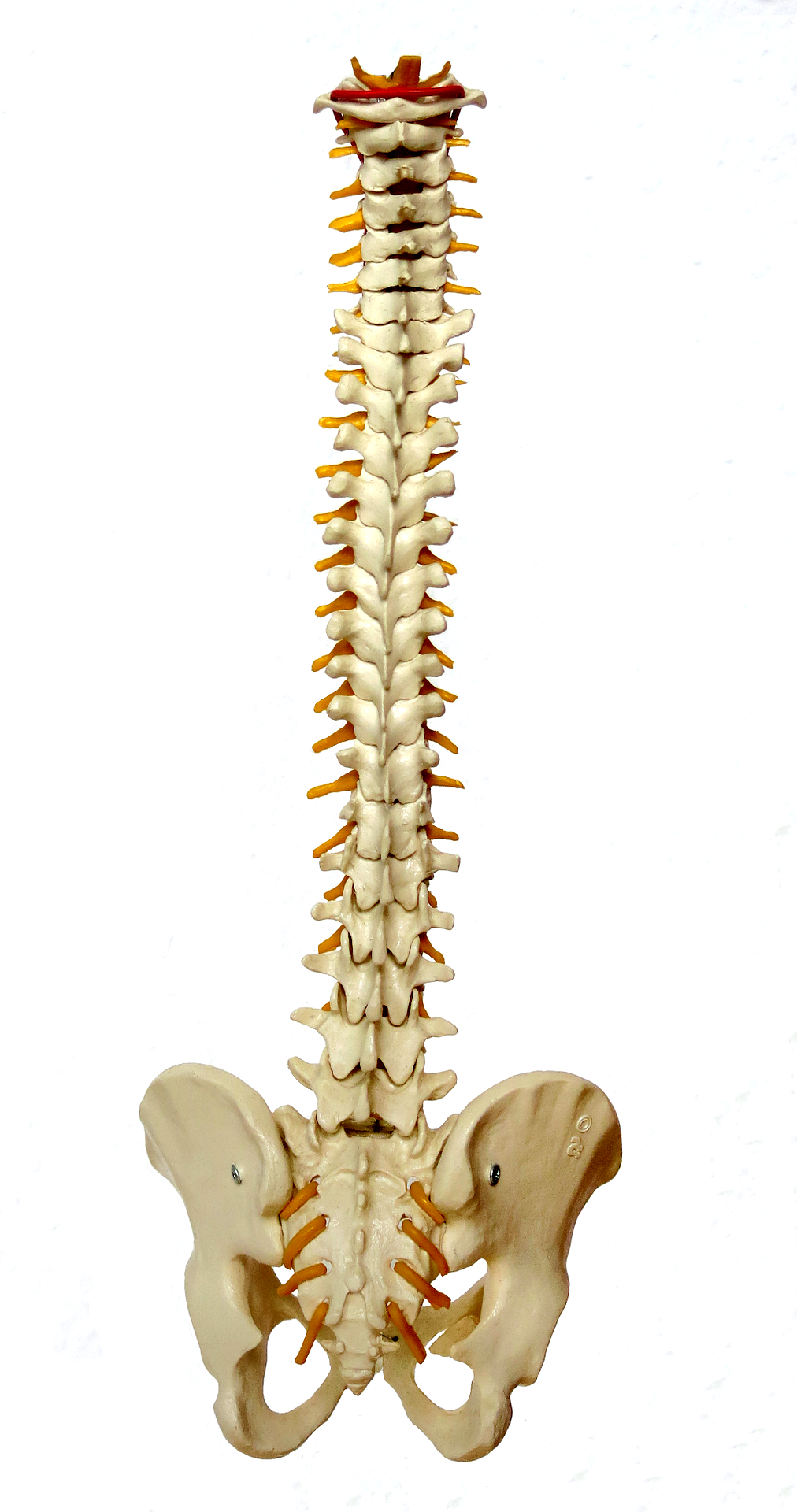
What Yoga Actually Does for the Spine
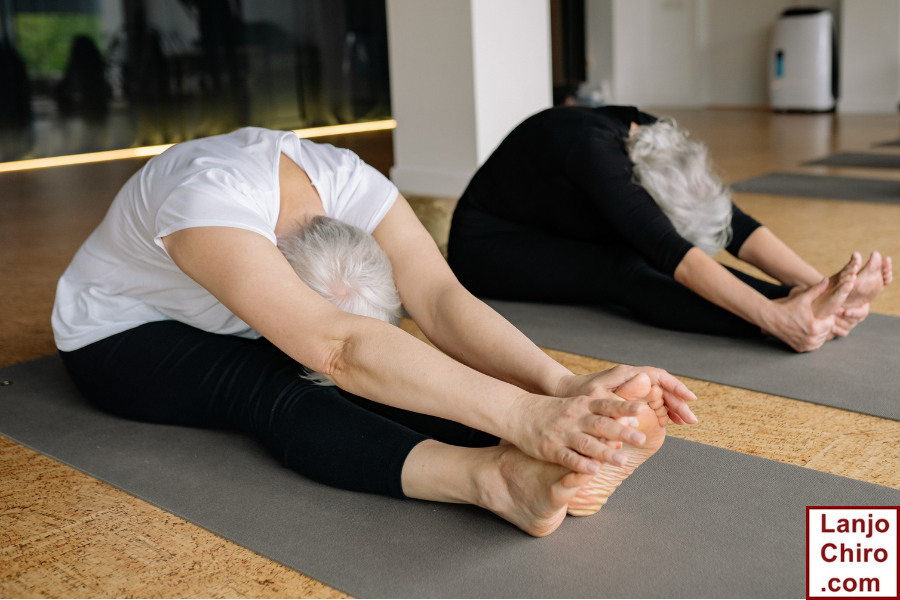
Yoga has a reputation as a flexibility practice, and flexibility is part of it. But framing yoga purely as stretching undersells what it does for the spine specifically. A well-designed yoga practice moves the spine through every plane of motion it was built for: flexion, extension, rotation, and lateral bending, in a way that most daily movement completely neglects. It builds the deep stabilizing muscles that support spinal segments between adjustments. It develops body awareness that helps people move more intelligently throughout the day. It also activates the parasympathetic nervous system in ways that reduce chronic muscular tension, one of the primary drivers of spinal pain.
The spine is designed for movement in all directions. Most people move it predominantly in one direction: forward flexion, through sitting, driving, looking at screens, and carrying loads. The cumulative effect is a spine that is overloaded in flexion and underloaded in everything else, producing the stiffness, imbalance, and vulnerability to injury that bring people through a chiropractic door.
The Research Behind It
A study published in the Annals of Internal Medicine found that yoga produced improvements in chronic low back pain and functional disability comparable to physical therapy, with both approaches significantly outperforming a self-care education control group at 12 weeks and at the one-year follow-up.¹ That is a meaningful finding. Yoga is not an alternative to evidence-based care for spinal pain. It is evidence-based care for spinal pain.
The spinal benefits extend beyond pain reduction. Regular yoga practice improves proprioception, the nervous system’s ability to sense the position and movement of the spine in space. Better proprioception means better movement quality, reduced injury risk, and more efficient muscle activation patterns around spinal joints. It also improves thoracic mobility, one of the most commonly restricted regions in the spine and one of the most consequential for shoulder, neck, and lower back function.
How It Works Alongside Chiropractic Care
Yoga and chiropractic care complement each other in a way that is worth understanding. Chiropractic adjustments restore joint mobility and improve neurological function at the segmental level. Yoga maintains and builds on that mobility through active movement, strengthens the muscles that hold the spine in good position, and develops the body awareness that helps patients protect their adjustments between visits.
Patients who practice yoga regularly tend to hold their corrections longer, present with less accumulated tension, and report better overall function than those who are sedentary between visits.
Dr. C from LanjoChiro teaching yoga. For more information, go HERE.