Tag Archives: salad

Feed Your Brain, Fight the Fire

Your brain isn’t just along for the ride. It depends on what you eat, just as much as your muscles and joints do. If you’ve ever felt foggy after a sugar-heavy snack or struggled to focus during a fast-food slump, you’ve already experienced the brain-food connection firsthand. The good news? Swapping out inflammation-triggering foods for brain-loving alternatives can make a real difference.
Everyday Brain-Boosting Foods

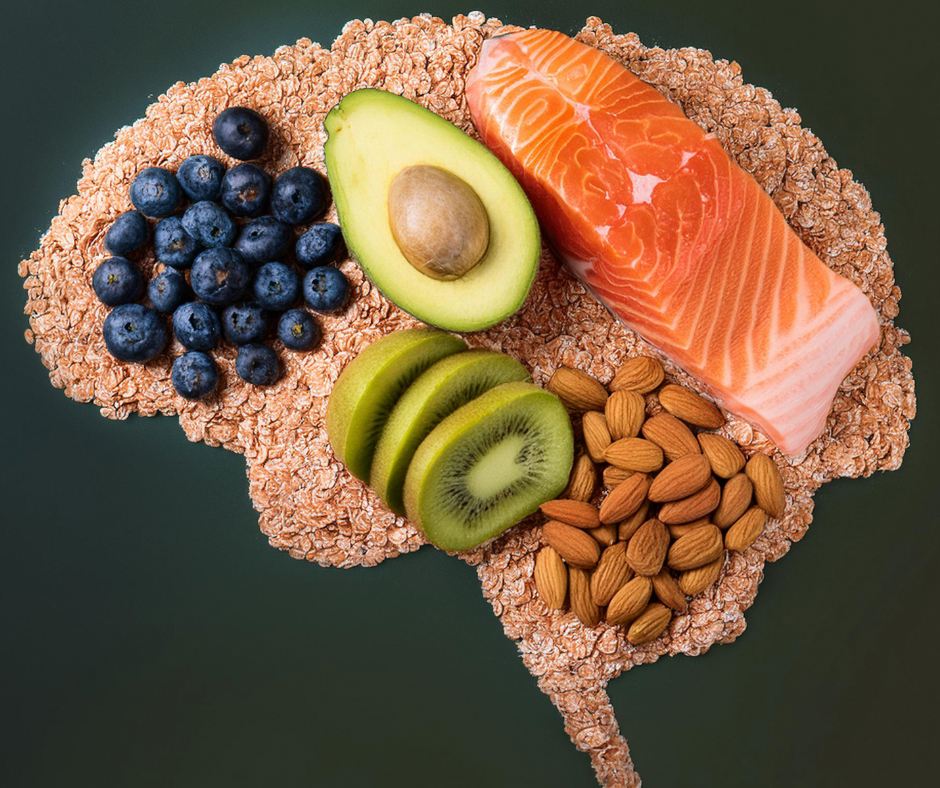
Omega-3 fats are some of your best allies here. Found in wild-caught salmon, sardines, and walnuts, they help keep brain cells working smoothly. They also help alleviate inflammation, which has been linked to cognitive issues such as memory loss and brain fatigue. Add a few servings a week, and you’ll likely notice more clarity and better mood stability.

Turmeric is another simple upgrade. You can stir it into scrambled eggs, blend it into smoothies, or sprinkle it onto roasted vegetables. The active ingredient, curcumin, has been shown to support memory and reduce brain inflammation [1].

Berries belong in your regular rotation, too. Blueberries, blackberries, and raspberries are rich in antioxidants that help protect your brain from oxidative stress. That’s science-speak for cellular wear and tear that messes with how your brain communicates. A handful of your morning oatmeal or mixed into a salad works wonders.

One easy win? Start your day with a brain-boosting smoothie: 1 cup of unsweetened almond milk, ½ banana, a handful of spinach, one tablespoon of ground flaxseed, ¼ cup of blueberries, and a pinch of turmeric. Blend and sip. Your brain will thank you.

What to Avoid (and What to Add)

Leafy greens like kale and chard? They’re loaded with folate and vitamin K, which have been linked to slower mental decline. Avocados provide healthy fats and vitamin E, both of which are known to support focus and memory.

Be cautious of foods that contribute to brain fog, including refined sugar, processed carbs, seed oils, and artificial additives. These spikes can cause inflammation and may disrupt your neurotransmitters, the chemical messengers your brain needs to function clearly and feel balanced.

Keeping your gut happy helps your brain, too. Your gut and brain are more closely connected than most people realize. Try adding fermented foods, such as sauerkraut or plain yogurt with live cultures, to your meals for a healthy boost. They boost your microbiome, which plays a surprising role in mental clarity.

The best part of eating this way? You’re not following a strict plan or giving up everything you love. You’re just giving your brain the fuel it prefers.


  1. Small, G.W., Siddarth, P., & Merrill, D.A. (2020). Memory and Brain Amyloid and Tau Effects of a Bioavailable Form of Curcumin in Non-Demented Adults: A Double-Blind, Placebo-Controlled 18-Month Trial. American Journal of Geriatric Psychiatry, 26(3), 266-277. 
Why Is Eating The Rainbow So Important?

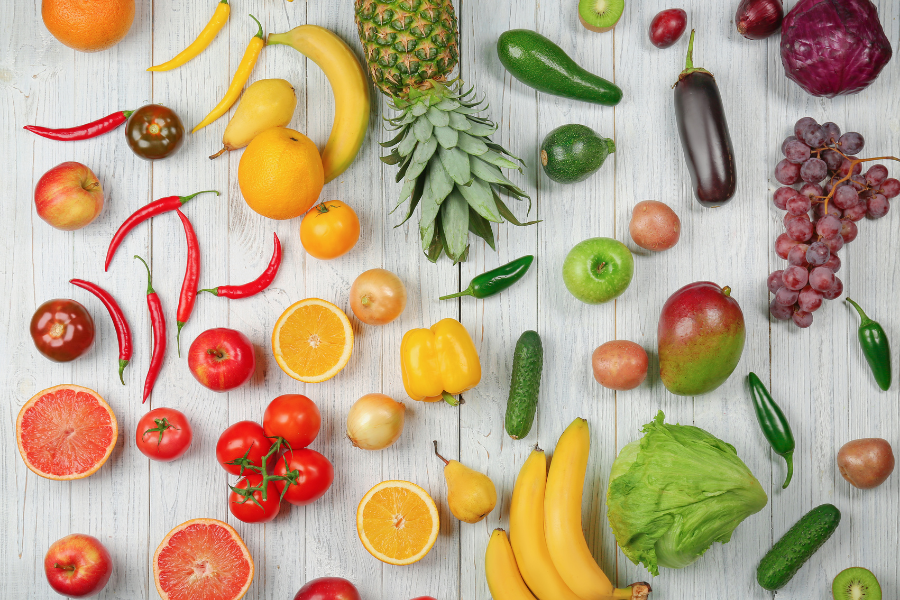
Each color comes with a set of its own nutritional profiles; these attribute to an all-around healthier lifestyle. Just like with processed foods – everything should be eating in moderation, and even the healthiest of foods is no exception. We need variety in our life to be reaping the benefits in the entire spectrum. Here Amanda lays down the nutritional benefits for each color and some fun and delicious ways you can enjoy them with a few special Rebel Recipe recipes to really fuel your appetite. 

Untitled design (86)

Red Food – Heart Healthy 

Our heart is so important, for emotional and mental health, but also for our physical health. Foods like tomatoes, apples and red onions are well known for their heart health properties. So, ‘an apple a day’ really can keep the doctor away! Braeburn apples are top of the list; are not only a healthier sweet treat but they can pack a dose of energy when that 3 pm slump hits. 

A heart-healthy Bolognese packed with tomatoes and red onions is also a fantastic way to up your reds; a fun way to get kids even more excited is to use that Bolognese on top of a pizza base! Delicious and family-friendly.

Orange & Yellow Foods – Eye See You

If you look right in the center of your retina you will see that there is a yellow spot filled with orange pigments. These pigments are called carotenes, which help to protect our vision. And what does carotene sound like? Yep, you got it – CARROTS. Carrots, sweet potatoes and mango are extremely rich sources of carotenoids. 

In fact, the carotenes in mangos are twenty times more absorbable in the body than those of carrots, so don’t just limit your choice of orange foods to just carrots. Get a little more tropical and experiment with new flavors and textures. Think papaya and Sweet Melons and of course mangos 

Fun fact: peeling carrots can reduce their health properties by more than half. Simply wash and eat..

Want to really boost the rainbow and your carotene? Try roasting your carrots for a healthy boost of carotene

Green Foods – Brilliant Bones 

When we think of foods to build strong bones and teeth, it’s usually dairy products that pop to mind. But guess what – green foods are actually better for your bones than milk!

Cabbage, kale, and broccoli are some of the top products that help boost your bones. Look for lots of different ways to add these veggies into your diet by roasting them and serving with a bright chimichurri sauce for example, or check out a recipe for bubble and squeak.

Did you know: It takes up to ten times trying a new food for your taste buds to become acquainted with the flavor? So, set yourself a goal and choose a portion of food to try 10x and see what happens. Remember, the overboiled Brussel sprouts (ughhhhh) of childhood can be replaced by an awesome great shredded, oven-roasted sheet pan dish that could include but not limited to at least one veggie from each of the colors of the rainbow.

I love a dish that includes carrots, baby tomatoes, cauliflower, broccoli, peppers, diced sweet potatoes, mushrooms, corn, and even purple baby potatoes all roasted in the oven at a fair heat and served with a sauce of choice!.

 Blue and Purple Foods – Brain Fuel

Not only are blue and purple-colored foods great for our mental health, but foods like blueberries, blackberries, blackcurrants, and grapes can also give you a brain boost.

One of the quirky things about these berries is that they are actually able to find their way into the areas of our brain that are essential for intelligence; they are also good for slowing the rate of mental decline.

With Summer here, platters of chopped raw veggies with a dip or two/ hummus is a great way of covering the whole range of veggies colors.

 Reprinted from Rebel Recipes blog.

Tips to incorporate more veggies. From Dr.C.

Buy a rainbow selection of veggies ( a lot of veggies like carrots and celery can be precut and stored in baggies/containers….once a week prep time saves lots of frustration) Make platters with a variety of veg and cheese chunks and a dip in place of a salad….

I like to place a variety of bowls with things like veggies, spring onions, olives, shredded lettuce, and microgreens out on a counter, along with diced feta and cheddar cheese of choice and perhaps 2 or 3 dressings (my new fave is Panera’s Fuji apple…OOOH) and let everybody make their own selection. Toasted nuts such as pecans, walnuts, pumpkin seeds, and croutons (homemade is best) finish off the presentation.

Everything can basically be pre-prepped and stored in containers for easy grabbing and in summer supper is on the table double-quick time

With mac and cheese dishes, I have been known to roast/steam broccoli, mushrooms, onions, and shredded spinach and stir that into the mix.  If you have fussy eaters make side dishes of the veggies and offer them as add-ons to suit.

One-pot casserole dishes are also a great place to hide veggies….grated zucchini, shredded spinach, steamed and mashed cauliflower are just some ingredients that can hide in a dish

GOLDEN RULE: NEVER TELL ANYONE WHAT YOU ARE DOING IF YOU HAVE PICKY EATERS!!!

Veggie bounty summer pasta

Click the link for the original recipe: Veggie bounty summer pasta      artichokes-1246858_1920

serves 2

Ingredients

  • 200 g / 7 oz rigatoni or penne pasta
  • 20 ml / 4 tsp extra virgin olive oil
  • 7 ozs zucchini (1 medium), cut into chunks
  • 2 garlic cloves, roughly chopped
  • salt and black pepper, to taste
  • 2 large ripe tomatoes, peeled and chopped
  • 8 cherry tomatoes, halved
  • a good pinch of sugar (optional)
  • 2 tsp balsamic vinegar
  • a good pinch of chili flakes
  • 4 charred artichoke heart halves, chopped
  • 8 Kalamata olives, de-stoned and chopped
  • chopped fresh parsley, to garnish (optional)

Directions

  1. Cook the pasta just short of al dente (the pasta I used takes 12 min to cook al dente, I cooked it for 11 min) following the instructions on the packet, saving about 60 ml / ¼ cup of cooking water just before you drain your pasta.
  2. Heat up 2 tsp oil in a non-stick pan (I like to use a stainless steel one for this dish). Once hot, add zucchini and fry it on a gentle heat until caramelised, stirring from time to time.
  3. Once zucchini is almost done, add the garlic and allow it to fry in amongst the zucchini, stirring frequently. Do not let it brown as it will make it taste bitter.
  4. Season with salt and pepper and transfer out of the pan. Set aside.
  5. Add chopped tomatoes and a good splash of water (or vegan wine if you’d like) into the same pan.
  6. Allow the tomatoes to break down and thicken a little. Add a splash more liquid if the pan is getting dry.
  7. Season the sauce with salt, pepper, a pinch of sugar (if using), balsamic vinegar and a pinch of chili flakes if using. Stir well. Add cherry tomato halves to the pan, allow the cherry tomatoes to soften in the sauce.
  8. Add drained pasta to the sauce and a bit of pasta cooking water if needed. Coat the pasta in the tomato sauce. Mix well and adjust the seasoning if needed – remember that olives will add saltiness. At this point you may want to add a touch more olive oil for a more luxurious finish.
  9. Finally return fried zucchini and add chopped artichoke hearts and olives to the pan.
  10. Divide between two bowls and sprinkle with fresh parsley

Cranberry Lentil and Quinoa Salad

Serves 4cranberry quinoa salad

Ingredients

  • 1 cup dried lentils
  • 2 bay leaves, divided (optional)
  • water to cover
  • 2 cups water
  • 1 cup quinoa

Dressing:

  • 3 tablespoons lemon juice
  • 1 teaspoon honey
  • 1 tablespoon white wine vinegar
  • 1/4 teaspoon salt
  • 3 tablespoons olive oil
  • ground black pepper to taste
  • 1/2 cup coarsely chopped walnuts, toasted
  • 1/2 cup dried cranberries, or to taste
  • 1/2 cup crumbled feta cheese
  • 1 small green onion, finely chopped

Directions

  1. Place lentils and 1 bay leaf in a saucepan with enough water to cover and bring to a boil. Reduce heat to medium-low and simmer until lentils are tender, about 30 minutes; drain and discard bay leaf. Rinse with cold water until lentils cool and transfer to a large bowl.
  2. Bring 2 cups water, quinoa, and remaining bay leaf to a boil in a saucepan. Reduce heat to medium-low, cover, and simmer until quinoa is tender and water has been absorbed, 15 to 20 minutes. Rinse quinoa with cold water until cool, discarding bay leaf. Stir quinoa into lentils.
  3. Heat lemon juice in a microwave-safe bowl in a microwave until warm, about 30 seconds. Stir honey into juice until dissolved. Add vinegar and salt; whisk in olive oil and season with black pepper. Pour lemon juice mixture into lentils and quinoa.
  4. Mix walnuts, cranberries, feta cheese, and green onion into lentil and quinoa salad. Toss to coat. Refrigerate until chilled, about 1 hour.