
Nutrient-Dense Foods and the Immune System
As fall begins and families return to the rhythm of school and work, one concern rises to the forefront: how to strengthen the immune system. Classrooms and office spaces bring people into close contact, increasing the spread of seasonal illnesses. While handwashing and sleep are vital, what we put on the table each day may play an even greater role. Nutrient-dense foods-those rich in vitamins, minerals, and natural fats-have long been recognized for their ability to nourish the body’s defenses.
Dr. Weston A. Price’s pioneering research in the early 20th century revealed that traditional societies that consumed whole, unprocessed foods had remarkably strong immunity and resistance to disease. He found that diets rich in fat-soluble vitamins (A, D, and K2) and trace minerals supported healthy growth, resilience, and recovery from illness.[1] Today, modern science confirms these findings: Vitamin A strengthens mucosal barriers, Vitamin D regulates the immune response, and Vitamin K2 enhances calcium metabolism, thereby indirectly influencing immune resilience. Together, these nutrients act as foundational support for the body’s ability to defend itself.
Practical Foods for Fall Immunity
For families looking to apply this wisdom today, fall is the perfect season to embrace foods that naturally deliver these protective nutrients. Grass-fed butter and raw cheeses are rich sources of vitamins A and K2. Pasture-raised eggs and cod liver oil provide Vitamin D, especially as sunlight wanes in the cooler months. Bone broths, rich in minerals and amino acids, not only comfort the body as the weather cools but also help repair the gut lining, an essential part of immune health. Fermented foods, such as sauerkraut and kefir, help restore balance to the microbiome, which is now understood to be deeply linked to immune function.
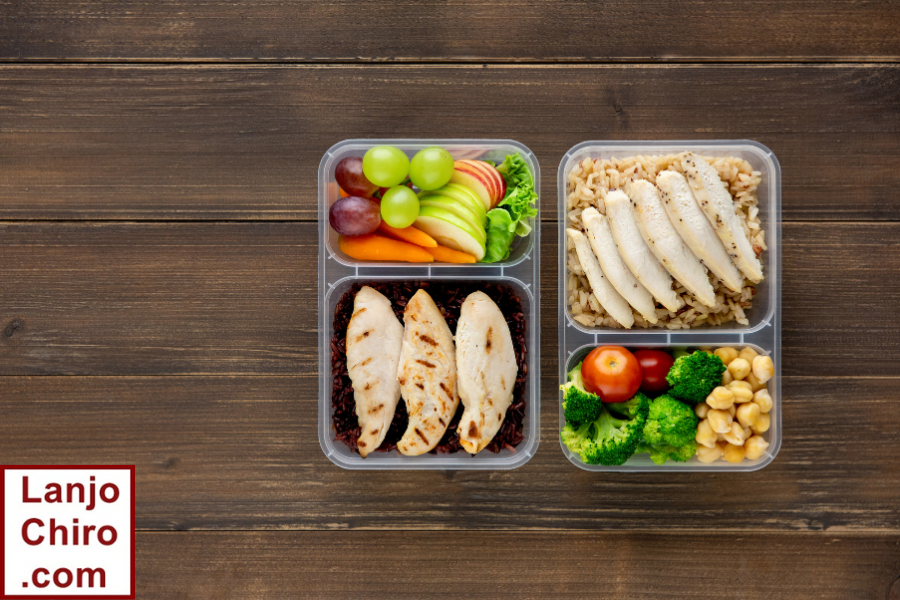
Packing school lunches or preparing quick work meals doesn’t need to rely on processed convenience foods. A hard-boiled egg, raw carrot sticks, and a slice of raw cheese nourish more deeply than a packaged granola bar ever could. By drawing on both ancestral traditions and nutritional science, families can establish a foundation of resilience that helps protect against the fatigue, frequent colds, and sluggishness often associated with the busy fall season.
Eating in harmony with nature and tradition is more than a dietary choice-it is an act of prevention, preparing the body to thrive in the months ahead.
- Price, W.A. Nutrition and Physical Degeneration. La Mesa, CA: Price-Pottenger Nutrition Foundation, 2009 (originally published 1939).