
Many people assume their diet covers all the bases, yet quiet deficiencies often slip by unnoticed. Small but mighty nutrients like magnesium, zinc, vitamin D, and B12 have a direct influence on how well the body repairs itself and fends off illness. When they run low, the effects can show up as fatigue, slower recovery, or increased susceptibility to infections.
Common Gaps in Modern Eating
Processed food, grab-and-go meals, and limited sun exposure make some deficiencies far more common today than most realize. Magnesium, for instance, is lost during the refining of grains, leaving much of the population short on this mineral. Zinc plays a key role in wound repair and immune defenses, yet intake is often below optimal levels, especially in those relying heavily on plant-based diets without careful planning. Vitamin D deficiency is widespread due to time spent indoors and sunscreen use. B12, critical for nerve health and red blood cell formation, is another nutrient that can be lacking, particularly among older adults and those avoiding animal products.
Supporting the Body Through Nutrition
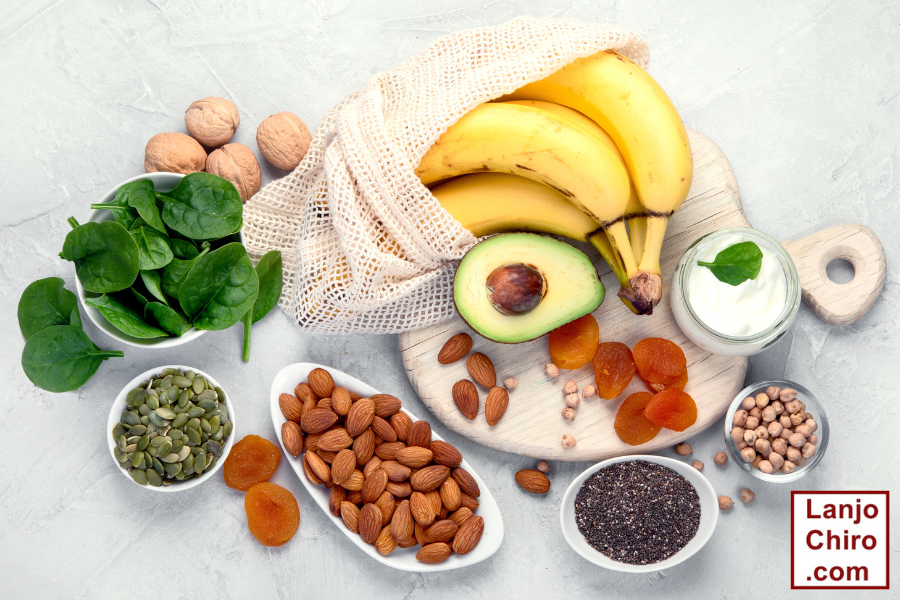
When these nutrients are restored, patients often notice subtle yet meaningful changes: more profound sleep, steadier energy, quicker recovery from colds, and improved overall resilience. Foods remain the best source-leafy greens, nuts, seeds, seafood, dairy, eggs, and quality meats provide a strong foundation. Yet modern patterns may not always meet demands. Blood testing can identify shortfalls, and in some cases, supplementation becomes a crucial option.
Chiropractic patients interested in maximizing their body’s ability to heal naturally should pay close attention to these micronutrients. The spine and nervous system rely on them to maintain balance and function. Even a mild deficiency can ripple out, slowing recovery and weakening defenses against everyday stressors. Restoring proper intake can be a simple but powerful way to support adjustments and overall health.[1]
1 .National Institutes of Health, Office of Dietary Supplements. “Dietary Supplement Fact Sheets.” https://ods.od.nih.gov