Tag Archives: Backpacks

Backpack Safety: Protecting Spines at Every Age

Back-to-school season means fresh supplies, exciting routines, and of course—the trusty backpack. Backpacks are practical, stylish, and help kids (and adults!) carry what they need. But when used incorrectly, they can also create unnecessary strain on the back, shoulders, and neck.

The good news? With a few simple adjustments in how we choose, pack, and wear backpacks, we can prevent pain and protect posture for years to come.

backpack safety

Why Backpack Safety Matters

Backpacks are designed to evenly distribute weight across the body, which makes them safer than carrying a purse or briefcase. But when overloaded or worn incorrectly, they can cause real problems. According to the American Chiropractic Association, more than 5,000 backpack-related injuries are treated in U.S. emergency rooms each year.

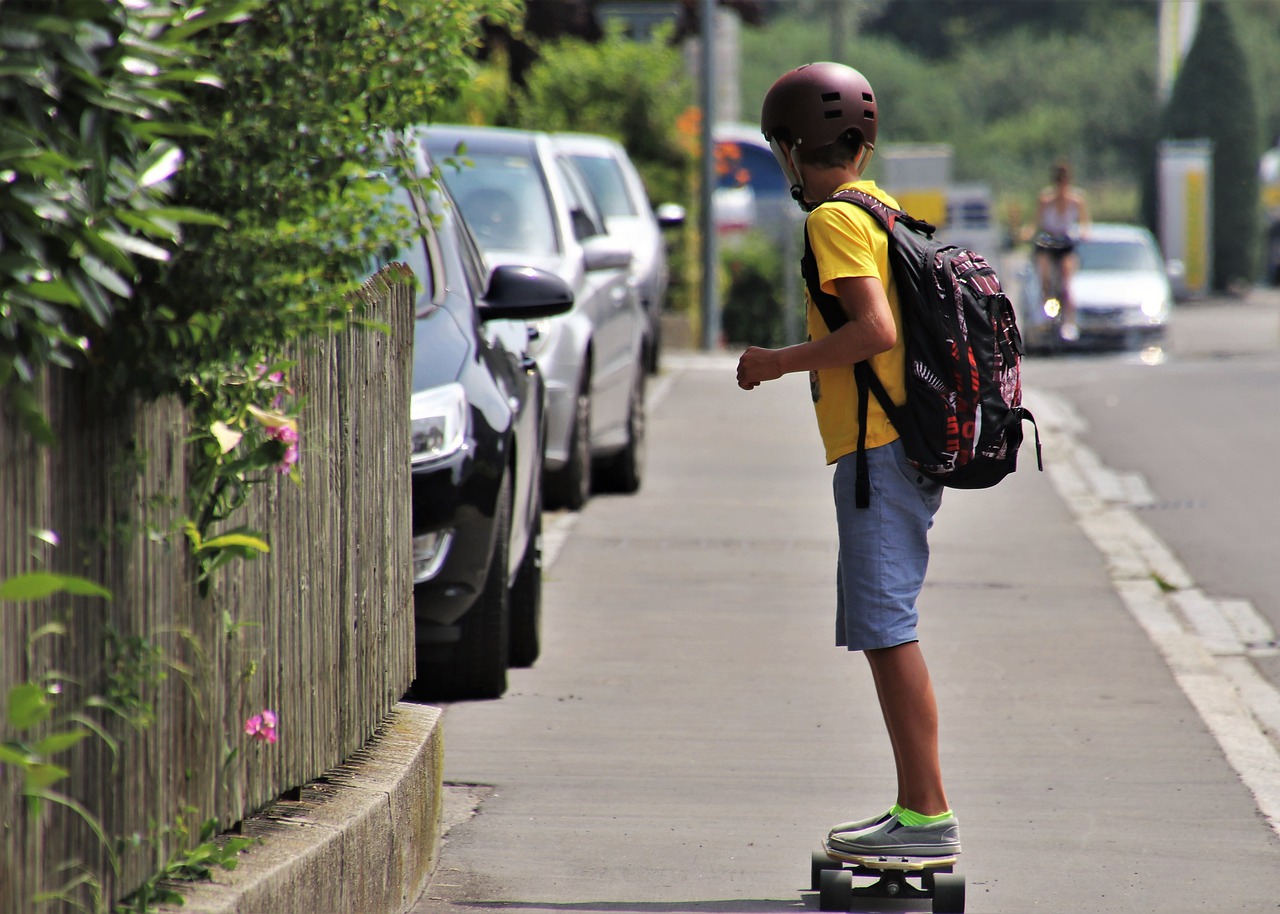
Heavy packs can cause children (and adults) to slump their shoulders, arch their backs, or lean forward unnaturally. This puts strain on the spine and muscles, leading to soreness or even long-term posture issues. Kids who sling their backpacks over one shoulder may also develop imbalances that affect their back, shoulders, and neck.

backbacks

The Right Weight

A backpack should never exceed 10–15% of the carrier’s body weight. For example, a child weighing 80 pounds should not carry more than 8–12 pounds. Checking weight with a bathroom scale can help keep loads in the safe zone.

Encourage kids to unload unnecessary items daily—extra books, electronics, or gear can add hidden pounds that don’t need to be there.
backpacks

Fit and Features that Make a Difference

When shopping for a backpack, look for these supportive features:

  • Lightweight design: Leather may look sharp but adds extra pounds compared to canvas.

  • Two wide, padded straps: Narrow straps can dig into shoulders.

  • A padded back: Adds comfort and protects from sharp objects inside.

  • A waist or chest belt: Helps distribute weight evenly.

  • Multiple compartments: Keeps weight balanced and organized.

Proper fit is just as important:

  • The backpack should rest in the middle of the back—not sagging near the hips.

  • Straps should be snug but comfortable. Loose straps force kids to lean forward, creating strain.

  • Always use both straps—even if one-shoulder carrying feels “cooler.”
backpacks 3

Smart Packing and Carrying

Packing a backpack correctly makes a big difference:

  • Place heavier items (like textbooks or laptops) closest to the back panel.

  • Use compartments to distribute weight evenly.

  • Encourage kids to bend at the knees and lift their pack with both hands—just like lifting any heavy object.

If the load is consistently too much, rolling backpacks or sharing materials can reduce the strain.

Building Healthy Habits

Healthy backpack use is a team effort:

What Kids Can Do:

  • Use lockers and desks to avoid carrying everything at once.

  • Bring home only what’s needed for homework.

  • Regularly check posture—rounded shoulders or leaning forward is a red flag.

What Parents and Schools Can Do:

  • Encourage “backpack checks” at home.

  • Advocate for lighter materials, such as paperback books.

  • Support digital curriculum where possible.

  • Remind kids that caring for their spine is just as important as caring for their grades.

When to Seek Help

If your child frequently complains of back, shoulder, or neck pain, or you notice persistent posture changes, it may be time for a professional evaluation. Gentle adjustments, posture checks, and personalized guidance can help ease discomfort and prevent further issues.

Concerned about your child’s posture or backpack strain? Call 517.627.4547 today to schedule an evaluation. A healthy back today means a stronger future tomorrow.

The Negative Health Effects of Heavy Backpacks, And How Your Kids Can Avoid Them

This article originally appeared on The Active Times by Katie Rosenbrock.backbacks

Back to school means back to the books, which is great for kids’ brains, but not so much for their backs.

According to the American Academy of Pediatrics (AAP), a child’s backpack shouldn’t weigh more than 10 to 20 percent of their weight, but often this limit is exceeded, and it could certainly lead to strain and even injury.

There are several research studies showing the long-term effects of carrying a heavy backpack.

Wearing a heavy backpack for prolonged periods may cause excessive strain in one’s neck, back and shoulders. Over time, muscles may fatigue, and the wearer may fall into poor posture, which may lead to muscle imbalances, which, if long-term, may cause increased risk of injury.

Additionally, children who wear heavy backpacks have a tendency to lean forward to support the weight, which further implicates their posture. Plus, for small children, heavy backpacks increase their risk of falling.

Clearly there are a handful of risks involved with bearing the brunt of a backpack that’s just too heavy for a kid to handle, yet a 2002 study out of Texas found that most parents (about 96 percent) don’t inspect the weight of their kid’s backpacks.

Determining an Appropriate Backpack Weight and Avoiding Back Painbackbacks

The AAP recommends a child’s backpack weigh no more than 10 to 20 percent of their body weight, but according to The New York Times, a recent survey from Consumer Reports suggests aiming for the lower, 10-percent end of that spectrum. Quinn agrees.

Also worth noting, that same report found girls and shorter children may be most at risk for back pain resulting from heavy backpacks, so for smaller-statured kids, it’s especially important to find a backpack that fits well.

It’s important to make sure the straps are wide, padded and adjustable, so the backpack fits the child well

The backpack should be close to the body and should not hang too far below the waist. The best advice for older kids is to wear the straps on both shoulders and evenly distribute the items in the backpack.”

The risk for injury increases, Quinn explains, when the backpack is worn over one shoulder or when most of the items are packed to one side, which often causes the carrier to shift or bend to the side to bear the weight.

She emphasized the importance of carrying the backpack with both straps to distribute the weight evenly over both shoulders.

Removing unnecessary items from the backpack daily is also key..

Relieving Neck and Shoulder Strainbackpacks

Prevention is of utmost importance, but for kids who are already experiencing strain in their necks, shoulders and backs due to a heavy backpack, Quinn offers a few restorative stretches and exercises that may help.

“Heavy backpacks may cause the wearer to bend forward, causing increased strain on the lower back,” she explains. “It may cause a forward head and rounded shoulder posture, which may result in tight pectoralis muscles and excessive strain on the cervical spine (neck). Pec and upper-trap stretches may improve the flexibility of these muscles and prevent long-term postural deficits.”

As chiropractors we cannot stress how important it is that back packs are worn correctly, as well as carried correctly.   We can always check that your child pack is correct for them if you bring them into the office.  Let’s catch problems before they develop.  Dr C