KEEP EARTH DAY ALIVE ALL YEAR ROUND
While Earth Day in our rear view mirrors, this is the time to embrace more sustainable habits. Here are a few tips to help you develop an efficient, organic and sustainable routine in your own home this spring while using Green Household Cleaners.
Use environmentally friendly, organic cleaning products
Your staple cleaning spray might do the job, but the truth is it could contain harsh, toxic chemicals that are bad for the environment. When buying cleaning products, look at the label to find the words natural or nontoxic on the bottle. If you need some guidance, check the Green Pages to find out what products are available in your area.
Make your own Green Household Cleaners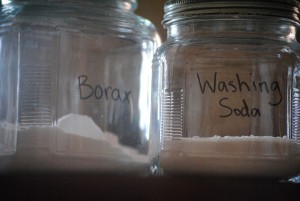
Sometimes money can be a concern, but luckily you can make your own cleaners at home.
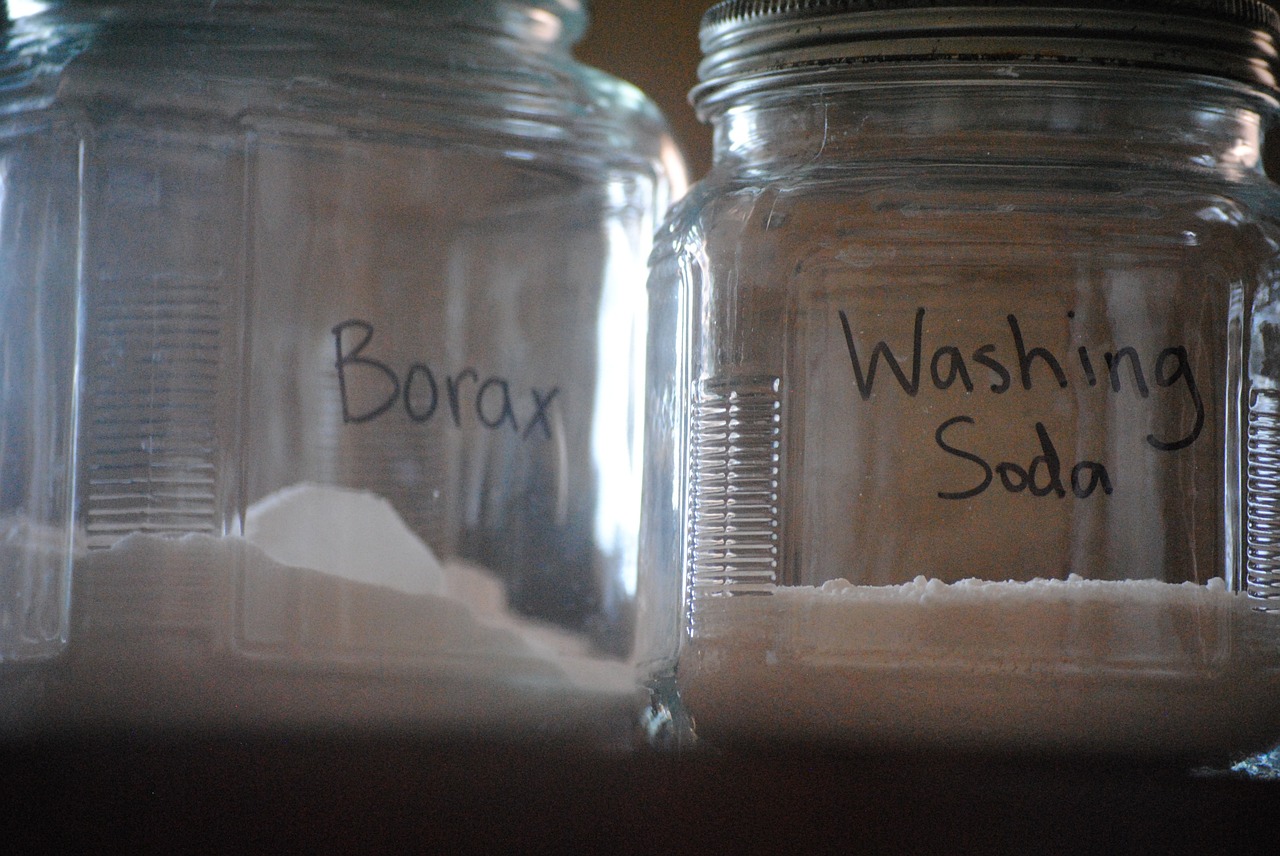
For an easy and effective spray cleaner, combine water and 1 tsp of borax into a spray bottle and shake until the borax is dissolved. Then add 2 tbsp of vinegar and shake again. Last, add ¼ of a cup of soap and oils.
This can easily replace your all-purpose cleaner. If you are not ready to let go of your bleach, substitute hydrogen-peroxide-based bleach for weekly laundry instead of using harsh chlorine bleach. Hydrogen peroxide effectively kills mold and mildew, yet it has the power to sanitize and remove stains.
Upcycling
Upcycling is a great way to re-purpose or resell worn, used items in your home. Whether you are radiating with creative skills, or not, simply adding a fresh coat of paint to that old chair sitting in your basement or using old mason jars to sort household items can be an easy way to reduce waste.
To give you some inspiration, break into some acrylic paint and spruce up some empty coffee grounds canisters, such as Folgers, and reuse them for baking product holders like sugar or flour.
If you are ready for a larger project, you can re-purpose old furniture into something new.
Plant a Garden
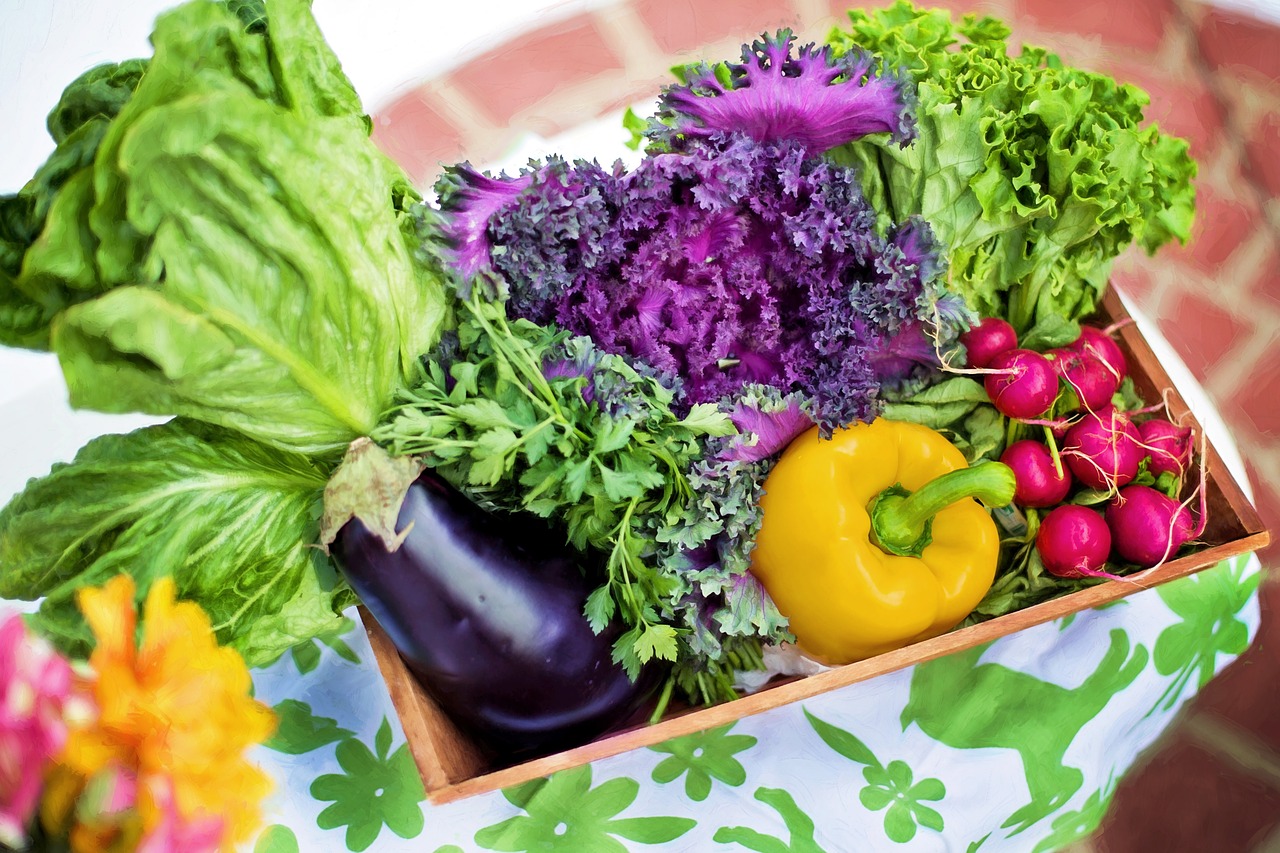
Instead of buying produce and herbs from a store, plant your own garden. Reduce the amount of product and money wasted weekly. It’s as simple as deciding what you use weekly, and then find a place indoors or outdoors to plant your own garden—whether big or small. If you have limited space, use shelves or planters to grow fresh herbs or vegetables like carrots or radishes, add some sunlight, fertilizer and water. Not only will you save money and reduce waste, but plants like ferns naturally freshen the air in your home.
Compost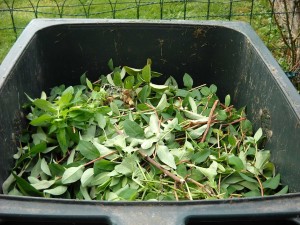
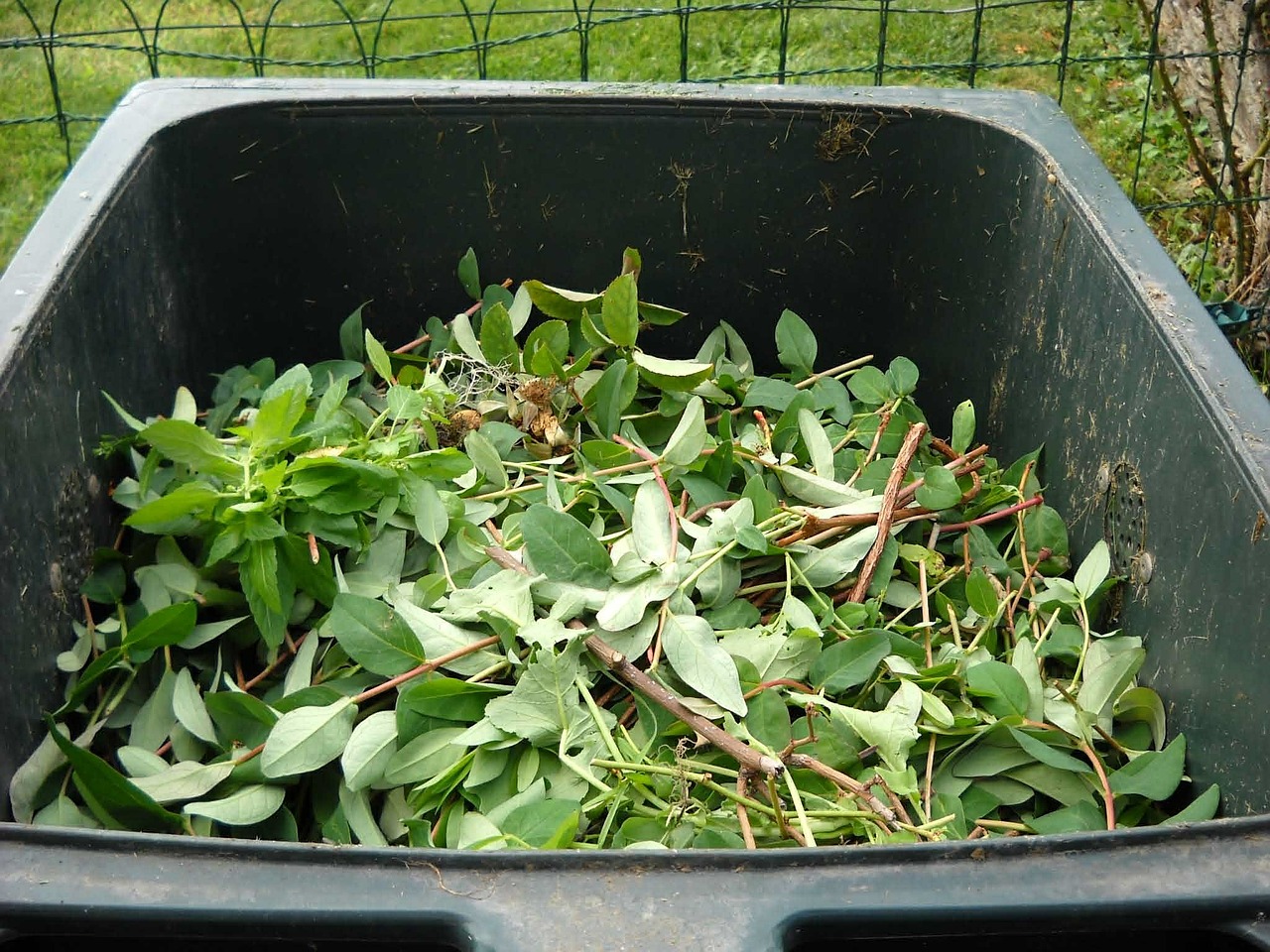
Start composting your leftover food. It’s true. The EPA says food and yard waste currently make up about 20 to 30 percent of U.S. trash, as daily waste hits an average of 1.3 pounds of food. Composting keeps this waste out of landfills and reduces methane, a greenhouse gas. It can enrich soil and reduce the need for chemical fertilizers. If you’re looking to lower your carbon footprint, remember composting requires three basic ingredients: browns, greens and water. Browns include materials such as dead leaves, branches and twigs. Greens can be grass clippings, vegetable waste, fruit scraps and even coffee grounds .In addition to these materials, eggshells, newspaper shreds, sawdust, hair, lint, hay and other materials are compostable items. Do not compost pet waste, meat or fish bones, dairy products or fat and oils.
Reduce Paper Waste
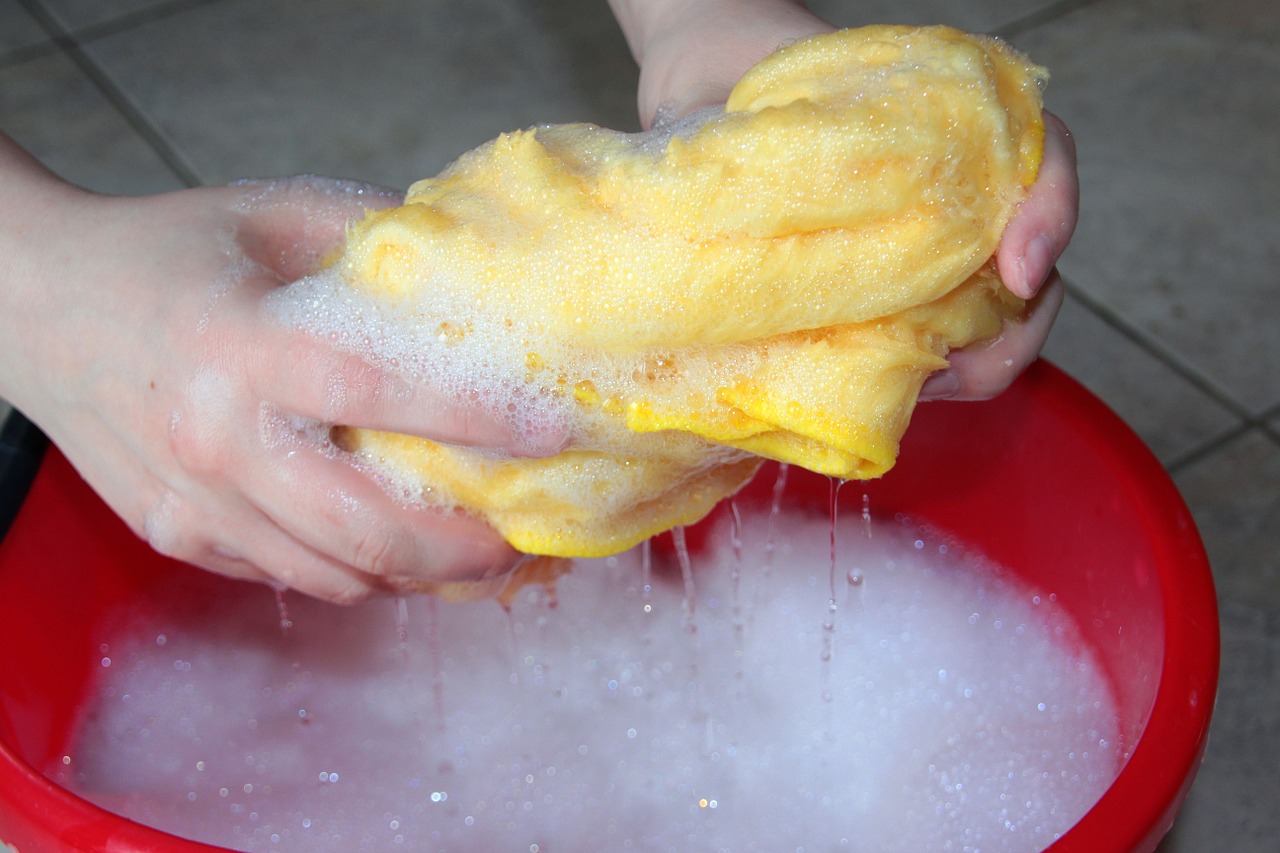
Say goodbye to paper towels! Right now, more than 199 tons of paper has been produced, while paper accounts for 25 percent of landfill waste and 33 percent of municipal waste. However, one tree alone provides enough oxygen daily for three people. While spring cleaning, you might go through a whole roll of paper towel. Save money and reduce paper waste by ditching paper towels and using washable cloths, which are available in fabrics from cotton to microfiber. If you have any old T-shirts or rags lying around the house, these are perfect for spring cleaning and washing for reuse.
Embrace a few sustainable habits this spring and remember, a little goes a long way when it comes to living “green.”