Archive | Healthy Living

RSS feed for this section

Traditional Eating: Micronutrients in Healing and Immunity

Many people assume their diet covers all the bases, yet quiet deficiencies often slip by unnoticed. Small but mighty nutrients like magnesium, zinc, vitamin D, and B12 have a direct influence on how well the body repairs itself and fends off illness. When they run low, the effects can show up as fatigue, slower recovery, or increased susceptibility to infections.

Micronutrients

Common Gaps in Modern Eating

Processed food, grab-and-go meals, and limited sun exposure make some deficiencies far more common today than most realize. Magnesium, for instance, is lost during the refining of grains, leaving much of the population short on this mineral. Zinc plays a key role in wound repair and immune defenses, yet intake is often below optimal levels, especially in those relying heavily on plant-based diets without careful planning. Vitamin D deficiency is widespread due to time spent indoors and sunscreen use. B12, critical for nerve health and red blood cell formation, is another nutrient that can be lacking, particularly among older adults and those avoiding animal products.

Supporting the Body Through Nutrition

When these nutrients are restored, patients often notice subtle yet meaningful changes: more profound sleep, steadier energy, quicker recovery from colds, and improved overall resilience. Foods remain the best source-leafy greens, nuts, seeds, seafood, dairy, eggs, and quality meats provide a strong foundation. Yet modern patterns may not always meet demands. Blood testing can identify shortfalls, and in some cases, supplementation becomes a crucial option.

Chiropractic patients interested in maximizing their body’s ability to heal naturally should pay close attention to these micronutrients. The spine and nervous system rely on them to maintain balance and function. Even a mild deficiency can ripple out, slowing recovery and weakening defenses against everyday stressors. Restoring proper intake can be a simple but powerful way to support adjustments and overall health.[1]


1 .National Institutes of Health, Office of Dietary Supplements. “Dietary Supplement Fact Sheets.” https://ods.od.nih.gov


Why Athletes Swear by Chiropractic

Usain Bolt, the fastest man in the world, and Tiger Woods, one of the greatest golfers in history, have both credited chiropractic care for keeping their bodies in top form. They know that small improvements in coordination, flexibility, and recovery can make the difference between winning and losing. But the benefits these athletes enjoy are not reserved for those at the top of their sport.

Why Athletes Swear by Chiropractic

Weekend runners, young athletes, and even dancers can benefit from the same care that keeps champions moving. Chiropractic is about keeping the nervous system clear and allowing the body to function at its best. When joints are moving correctly, muscles fire more efficiently, and reaction time improves. That is why athletes across disciplines return to chiropractic week after week.

Performance and Recovery

Athletes push their bodies to the limit, and they need every system working together. Chiropractic care helps reduce interference in the nervous system, which in turn supports better muscle coordination and balance. Research has shown that regular care can improve reaction time and power output [1] These are not abstract advantages; they translate directly into faster sprints, smoother jumps, and sharper cuts on the field.

Recovery is just as important. Micro-strains, fatigue, and soreness can slow down training schedules and cut into performance. Chiropractic care helps restore proper joint function, easing stress on muscles and ligaments so the body can recover more quickly. That means fewer days lost to stiffness or discomfort, and more days doing what people love.

Everyday Athletes

It is not only professionals who rely on this kind of edge. The parent who plays in a weekend softball league, the high school soccer player, or the adult who enjoys dance classes can all see benefits. When the body is aligned, workouts feel smoother, endurance improves, and recovery takes less time. Minor tweaks that enhance performance in professionals can help keep everyday athletes active and prevent setbacks.

Athletes at every level want to move better, stay strong, and recover quickly. Chiropractic is one of the tools that makes that possible.

Make an appointment with Lanjo Chiro today!

(517) 627-4547

Building Immune Resilience Through Whole Foods This School Year

Nutrient-Dense Foods and the Immune System

Nutrient-Dense Foods

As fall begins and families return to the rhythm of school and work, one concern rises to the forefront: how to strengthen the immune system. Classrooms and office spaces bring people into close contact, increasing the spread of seasonal illnesses. While handwashing and sleep are vital, what we put on the table each day may play an even greater role. Nutrient-dense foods-those rich in vitamins, minerals, and natural fats-have long been recognized for their ability to nourish the body’s defenses.

Dr. Weston A. Price’s pioneering research in the early 20th century revealed that traditional societies that consumed whole, unprocessed foods had remarkably strong immunity and resistance to disease. He found that diets rich in fat-soluble vitamins (A, D, and K2) and trace minerals supported healthy growth, resilience, and recovery from illness.[1] Today, modern science confirms these findings: Vitamin A strengthens mucosal barriers, Vitamin D regulates the immune response, and Vitamin K2 enhances calcium metabolism, thereby indirectly influencing immune resilience. Together, these nutrients act as foundational support for the body’s ability to defend itself.

Practical Foods for Fall Immunity

For families looking to apply this wisdom today, fall is the perfect season to embrace foods that naturally deliver these protective nutrients. Grass-fed butter and raw cheeses are rich sources of vitamins A and K2. Pasture-raised eggs and cod liver oil provide Vitamin D, especially as sunlight wanes in the cooler months. Bone broths, rich in minerals and amino acids, not only comfort the body as the weather cools but also help repair the gut lining, an essential part of immune health. Fermented foods, such as sauerkraut and kefir, help restore balance to the microbiome, which is now understood to be deeply linked to immune function.

Packing school lunches or preparing quick work meals doesn’t need to rely on processed convenience foods. A hard-boiled egg, raw carrot sticks, and a slice of raw cheese nourish more deeply than a packaged granola bar ever could. By drawing on both ancestral traditions and nutritional science, families can establish a foundation of resilience that helps protect against the fatigue, frequent colds, and sluggishness often associated with the busy fall season.

Eating in harmony with nature and tradition is more than a dietary choice-it is an act of prevention, preparing the body to thrive in the months ahead.


  1. Price, W.A. Nutrition and Physical Degeneration. La Mesa, CA: Price-Pottenger Nutrition Foundation, 2009 (originally published 1939).

Sitting is the New Smoking

Office Workers Beware

sitting is the new smoking

Eight hours at a desk can seem harmless, but the human body was never designed for such prolonged periods of sitting. Remote work and long commutes have only added to the problem. Many office workers finish their day with stiff shoulders, a sore back, and the sense that their body is “locking up.” The phrase “sitting is the new smoking” isn’t just a catchy line. Extended sitting has been linked to a higher risk of chronic pain, circulation problems, and even long-term health concerns.

Small Movements, Big Difference

Desk workers don’t need to run a marathon to undo the effects of sitting. Tiny changes add up. Standing every half hour, rolling your shoulders, or taking a quick stretch break resets your posture and helps your muscles fire again. Micro-movements-such as shifting weight in the chair, wiggling toes, or performing light seated twists-keep circulation moving and prevent muscles from stiffening. Even a brief walk to refill a glass of water can help the body reset.

One patient who worked in accounting found that simply setting a reminder to stand and walk to the printer every hour alleviated his back pain in the afternoon. Another patient noticed her headaches decreased once she added two minutes of stretching after video calls.

Posture and Alignment

Posture is not about sitting rigid like a soldier. It’s about positioning the body in a way that reduces strain. Adjusting monitor height, keeping feet flat on the floor, and avoiding slouching makes a huge difference. A supportive chair can help, but no chair can replace movement.

Over time, sitting with poor posture trains the spine and supporting muscles into unnatural patterns. That’s where chiropractic adjustments come in. By restoring motion in the joints and easing pressure on irritated nerves, adjustments help the body recover from prolonged periods of sitting at a desk. Many patients notice that they breathe more easily, sit taller, and have increased energy after an adjustment.

A Better Daily Routine

Office workers who combine regular movement, posture awareness, and chiropractic visits often notice reduced stiffness, improved focus, and enhanced overall comfort. The body thrives when it is in motion, and the simple habit of breaking up sitting time can make workdays more productive and evenings more enjoyable.

Research published in the Annals of Internal Medicine shows that prolonged sitting is linked to a higher risk of illness and early death, regardless of exercise habits [1]. This makes it even more important for office workers to stay active throughout the day and support their spinal health.

Desk jobs aren’t going away, but the effects of sitting don’t have to become permanent. With a few daily adjustments and regular chiropractic care, office workers can maintain comfort, activity, and overall health for years to come.

Looking for a new chiropractor? Schedule an appointment with Lanjo Chiro Today!

517.627.4547

Feed Your Brain, Fight the Fire

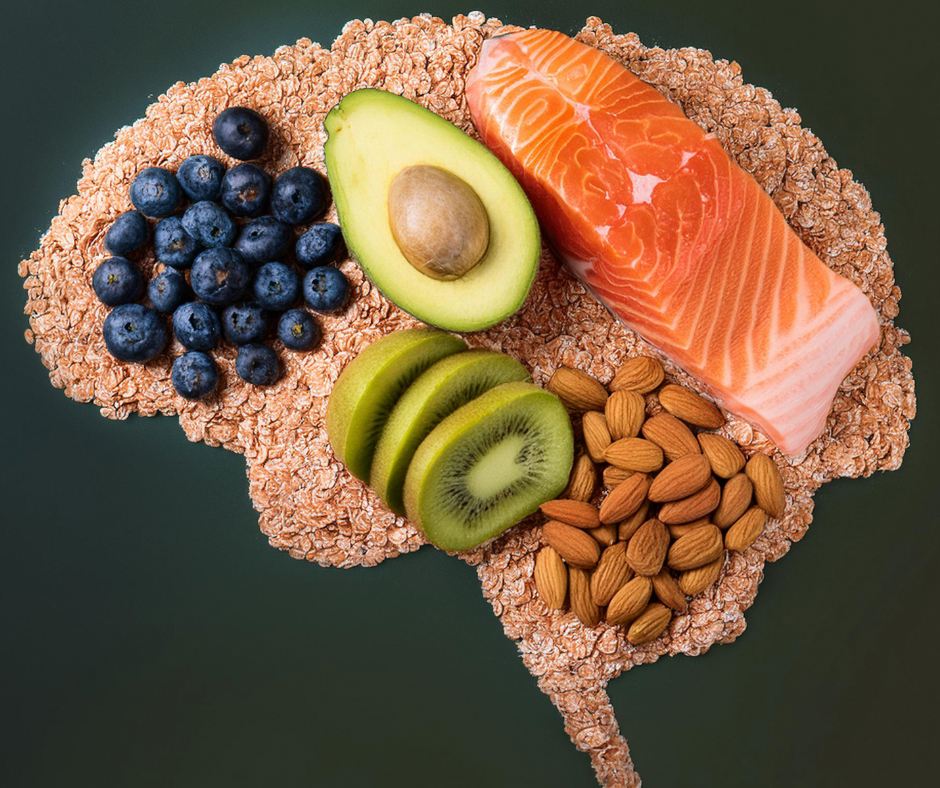
Your brain isn’t just along for the ride. It depends on what you eat, just as much as your muscles and joints do. If you’ve ever felt foggy after a sugar-heavy snack or struggled to focus during a fast-food slump, you’ve already experienced the brain-food connection firsthand. The good news? Swapping out inflammation-triggering foods for brain-loving alternatives can make a real difference.

Everyday Brain-Boosting Foods

Omega-3 fats are some of your best allies here. Found in wild-caught salmon, sardines, and walnuts, they help keep brain cells working smoothly. They also help alleviate inflammation, which has been linked to cognitive issues such as memory loss and brain fatigue. Add a few servings a week, and you’ll likely notice more clarity and better mood stability.

Turmeric is another simple upgrade. You can stir it into scrambled eggs, blend it into smoothies, or sprinkle it onto roasted vegetables. The active ingredient, curcumin, has been shown to support memory and reduce brain inflammation [1].

Berries belong in your regular rotation, too. Blueberries, blackberries, and raspberries are rich in antioxidants that help protect your brain from oxidative stress. That’s science-speak for cellular wear and tear that messes with how your brain communicates. A handful of your morning oatmeal or mixed into a salad works wonders.

One easy win? Start your day with a brain-boosting smoothie: 1 cup of unsweetened almond milk, ½ banana, a handful of spinach, one tablespoon of ground flaxseed, ¼ cup of blueberries, and a pinch of turmeric. Blend and sip. Your brain will thank you.

What to Avoid (and What to Add)

Leafy greens like kale and chard? They’re loaded with folate and vitamin K, which have been linked to slower mental decline. Avocados provide healthy fats and vitamin E, both of which are known to support focus and memory.

Be cautious of foods that contribute to brain fog, including refined sugar, processed carbs, seed oils, and artificial additives. These spikes can cause inflammation and may disrupt your neurotransmitters, the chemical messengers your brain needs to function clearly and feel balanced.

Keeping your gut happy helps your brain, too. Your gut and brain are more closely connected than most people realize. Try adding fermented foods, such as sauerkraut or plain yogurt with live cultures, to your meals for a healthy boost. They boost your microbiome, which plays a surprising role in mental clarity.

The best part of eating this way? You’re not following a strict plan or giving up everything you love. You’re just giving your brain the fuel it prefers.


  1. Small, G.W., Siddarth, P., & Merrill, D.A. (2020). Memory and Brain Amyloid and Tau Effects of a Bioavailable Form of Curcumin in Non-Demented Adults: A Double-Blind, Placebo-Controlled 18-Month Trial. American Journal of Geriatric Psychiatry, 26(3), 266-277. 

Sciatica and Lower Back Pain Relief: A Hands-On Approach

When Pain Takes Over Daily Life

It started with a twinge-just a nagging ache after sitting too long. Then came the shooting pain down the leg, the numb toes, the sleepless nights trying to find a position that didn’t feel like a jolt of electricity. This is how sciatica creeps in for many people, often paired with relentless lower back pain that disrupts even the most basic daily routines.

This type of discomfort is one of the top reasons people walk into a chiropractor’s office. It’s not just a sore back-it’s pain that radiates, tightens, and limits movement. Sometimes it begins after lifting something heavy or twisting the wrong way. At other times, it develops slowly, often associated with poor posture or prolonged periods spent sitting at a desk. Either way, the nerves are irritated, and the body doesn’t let you forget it.

How Chiropractic Adjustments Help

Chiropractic care addresses this issue by focusing on the structure of the spine. When the vertebrae are misaligned or joints aren’t moving the way they should, nearby nerves, like the sciatic nerve, can get pinched or inflamed. Through specific spinal adjustments, chiropractors help restore natural alignment and mobility, which can alleviate pressure on the nerves and ease pain.

For many patients, this means more than just relief; it means getting back to walking the dog, gardening, working, or simply being able to tie their shoes without wincing. In some cases, people notice changes after the first visit, while others experience steady improvement over several sessions. What matters most is that the body is given the opportunity to heal without drugs or invasive procedures.

One patient, a 42-year-old graphic designer, had tried everything from heat packs to over-the-counter pills. Nothing worked until he visited a chiropractor who specialized in gentle adjustments and guided him through simple stretches. “I thought I’d have to live with this forever,” he said. “I was shocked how quickly things started to turn around.”

Chiropractors may also recommend exercises, posture tips, or ergonomic adjustments for use at home or in the workplace. These small shifts can make a big difference in preventing future flare-ups. The goal isn’t just to ease the current pain but to help the body stay strong and aligned moving forward.

It’s worth noting that clinical studies support this hands-on care. A review in the European Spine Journal found that spinal manipulation was more effective than exercise alone or medical care for sciatica relief and improving function [1].

No one should have to tough it out or mask the pain with temporary fixes. With the right chiropractic care, lasting relief is possible-and life doesn’t have to be lived from the sidelines.


  1. Santilli V, Beghi E, Finucci S. Chiropractic manipulation in the treatment of acute back pain and sciatica with disc protrusion: a randomized double-blind clinical trial of active and simulated spinal manipulations. Eur Spine J. 2006;15(9):1340-1348.

Eating with the Seasons: Nourishing Spring Foods

As the earth awakens from winter, spring brings fresh vitality not only to the soil but to our bodies. According to the teachings of Dr. Weston A. Price, traditional cultures thrived by eating seasonally-honoring the cycles of nature and consuming nutrient-dense foods available at the time. In spring, this means embracing lighter, cleansing foods while still ensuring we receive the fats and minerals needed for deep nourishment.

Spring is the perfect time to incorporate leafy greens like dandelion, nettles, watercress, and arugula into the diet. These bitter greens stimulate the liver and aid detoxification after a heavier winter diet. Traditional diets often included wild spring greens as tonics, and modern nutritional research supports their richness in chlorophyll, magnesium, and antioxidants. Lightly steaming or sautéing them in butter or ghee-a traditional fat praised by Dr. Price-enhances the absorption of fat-soluble vitamins A, D, E, and K (1).

Pasture-raised eggs, another springtime staple, are particularly nutrient-rich this time of year as hens begin laying more frequently. Eggs from chickens allowed to forage on spring grasses contain higher levels of omega-3s and fat-soluble vitamins. Raw or cultured dairy products from grass-fed cows also reflect seasonal improvements in nutrition and can provide beneficial probiotics when fermented.

Lamb is a classic spring meat, traditionally consumed in many cultures during this season. It is a rich source of heme iron, zinc, and conjugated linoleic acid (CLA), especially when the animals graze on fresh pasture. Bone broth from lamb or poultry is also supportive to the digestive system as the body transitions to lighter fare.

Finally, sprouted grains and legumes are more digestible and nutrient-available than their unsprouted counterparts and were traditionally soaked or fermented before consumption. This mimics natural springtime germination and is in line with the wisdom Price documented from indigenous diets (1).

By following the rhythms of nature and embracing seasonal foods, we align our diets with traditional wisdom and modern nutritional science. Spring invites us to lighten up without losing the deep nourishment our ancestors prized.


4.Fallon, S., & Enig, M.G. (1999). Nourishing Traditions: The Cookbook that Challenges Politically Correct Nutrition and the Diet Dictocrats. Washington, D.C.: NewTrends Publishing.

How Chiropractic Care Affects Digestion, Immunity, and Hormones

Most people don’t think about their spine when dealing with digestive issues, fatigue, or hormone imbalances. But the spine does far more than support the body’s structure-it’s the main channel through which the nervous system sends signals. When that communication breaks down, a range of problems can appear: slowed digestion, weakened immune response, and hormone irregularities.

One patient-a young woman-originally came in for back discomfort. Over time, without changing her diet or routine, she noticed her digestion improved. Bloating disappeared, stomach aches subsided, and she felt more energetic. The only shift in her life was regular chiropractic adjustments. Her experience reflects what many have found: when nervous system function is restored, the body begins to regulate itself more efficiently.

The nervous system influences everything from intestinal movement to immune system readiness to hormone release. Spinal misalignments, known in chiropractic as subluxations, can interfere with these vital signals. They don’t always cause pain but disrupt how the body works. With gentle adjustments, chiropractors aim to restore that flow, allowing the body to function as intended. (1)

Another example involved a father of three who constantly battled colds and sinus congestion. After a few months of chiropractic care, he noticed he wasn’t getting sick-even when his kids brought home the usual school-time bugs. His immune system seemed to be working more effectively. That shift wasn’t about boosting anything artificially but clearing the nervous system so it could do its job without interference.

Hormonal changes are often mentioned, too. Some women report a more regular menstrual cycle after beginning care. Others say they sleep better, feel calmer, or experience more emotional balance. These aren’t promises-they’re observations from people who notice what happens when their bodies start communicating better.

People often come in expecting one thing to improve and are surprised when something else shifts, too. It’s not a coincidence. The body is connected in ways that aren’t always obvious, and removing pressure from the nervous system can have a ripple effect on digestion, immunity, and hormone balance.

The body is built to heal and self-regulate. Chiropractic care doesn’t add anything new to the system; it simply helps remove what’s getting in the way.

Want to Experience Healing in Real Life?

Call us to make an appointment. We’d love to see you! 517.627.4547


  1. Kent, C. (1996). Models of vertebral subluxation: A review. Journal of Vertebral Subluxation Research, 1(1), 1-7.

Essential Oils and Digestive Health: Soothing the Gut Naturally

A Natural Way to Soothe Digestion

Essential oils like peppermint, ginger, and fennel offer a simple and effective option for those seeking natural digestive support. These plant-based solutions have stood the test of time, whether easing bloating, reducing nausea, or promoting gut comfort.

Essential Oils and Digestive Health

Peppermint Oil: Cooling Relief for Digestion

Peppermint oil is known for its refreshing scent and cooling effect. When diluted and massaged onto the abdomen, it can help relax the digestive tract muscles, making it useful for bloating and cramping. Many people also inhale peppermint oil to ease nausea, especially during travel or after eating a heavy meal. Research suggests that peppermint may support gastrointestinal comfort, with a study by McKay and Blumberg (2006) highlighting its potential benefits (1).

Ginger Oil: Warming Comfort for the Stomach

Ginger has long been used to settle the stomach, and its essential oil offers similar benefits in a concentrated form. When mixed with a carrier oil and applied to the abdomen, ginger oil provides a warming sensation that can encourage smoother digestion. Some prefer to add a small drop to warm tea or water, mimicking the traditional use of ginger root for digestive support. This oil is often chosen for its ability to ease queasiness and promote overall stomach comfort.

Fennel Oil: Supporting Gut Function

Fennel oil, with its naturally sweet and earthy scent, is often used when digestion feels sluggish. It can be diluted and rubbed onto the abdomen to encourage digestive ease. Fennel seeds have been chewed after meals for centuries, and their essential oil provides a concentrated form of the same beneficial compounds. Many find fennel oil helpful in maintaining regular digestion and soothing occasional bloating.

Using Essential Oils Safely

With essential oils, a little goes a long way. Proper dilution is key, as applying them directly to the skin without a carrier oil may cause irritation. High-quality, pure oils offer the best experience, whether applied topically, inhaled, or used in appropriate amounts in warm liquids.


  1. McKay, D. L., & Blumberg, J. B. (2006). A review of the bioactivity and potential health benefits of peppermint tea (Mentha piperita L.). Phytotherapy Research, 20(8), 619-633.

Chiropractic and Childhood Ear Infections

Childhood ear infections, or otitis media, are a frequent concern for parents seeking gentle and natural approaches to support their children’s health. Chiropractic, rooted in the philosophy of optimizing the body’s innate ability to heal, offers an approach centered on nervous system function and spinal alignment.

Chiropractic and Childhood Ear Infections

Ear infections often involve fluid accumulation and pressure in the middle ear, which is frequently linked to Eustachian tube dysfunction. The Eustachian tube plays a vital role in maintaining ear health, and its function is closely connected to the alignment of the cervical spine. Misalignments, or subluxations, in the upper cervical region, may interfere with the nerves that regulate these structures. By addressing subluxations through chiropractic adjustments, many parents report improvements in their children’s ear health, as the body’s natural drainage and immune responses are better supported.

The relationship between chiropractic care and pediatric ear infections

A study published in the Journal of Manipulative and Physiological Therapeutics examined the relationship between chiropractic care and pediatric ear infections (1). It was found that children receiving chiropractic adjustments experienced fewer episodes and less severity of ear infections over time. The authors suggest that this may result from restoring nervous system balance and enhanced fluid movement in the ear, allowing the body to resolve infections more effectively (Mills et al., 2003).

Chiropractors work with children by carefully assessing spinal alignment, particularly focusing on areas affecting the head and neck. The adjustment process is gentle and tailored to each child’s unique needs, respecting their developing systems. This philosophy emphasizes that the body functions optimally when interference in the nervous system is minimized.

Parents often find value in chiropractic for ear infections, not just in symptom relief but in fostering overall health. While the results can vary, many families appreciate the proactive focus on allowing the body to perform as it was designed. Chiropractic aims not to “treat” the infection directly but to support the nervous system’s communication pathways, encouraging natural resolution.

The growing interest in chiropractic for children underscores a desire for approaches that align with the body’s inherent potential to thrive, reflecting a trust in its remarkable design.

Call today for an appointment!

If your child suffers from ear infections, you may be able to find relief through chiropractic care.

(517) 627-4547


  1. Mills, M. V., Henley, C. E., Barnes, L. L., & Carreiro, J. E. (2003). Chiropractic care and otitis media: A systematic review. Journal of Manipulative and Physiological Therapeutics, 26(3), 160-169.