Homemade Vegetarian Chili

Homemade Vegetarian Chili    

serves 4-6

Ingredients 

  • 2 tablespoons extra-virgin olive oil      vegetarian chili
  • 1 medium red onion, chopped
  • 1 large red bell pepper, chopped           
  • 2 medium carrots, chopped
  • 2 ribs celery, chopped                             
  • ½ teaspoon salt, divided
  • 4 cloves garlic, pressed                           
  • 2 tablespoons chili powder to taste
  • 2 teaspoons ground cumin                     
  • 1 ½ teaspoons smoked paprika to taste
  • 1 teaspoon dried oregano
  • 1 large can (28 ounces) diced tomatoes
  • 2 cans (15 ounces each) black beans, rinsed and drained
  • 1 can (15 ounces) pinto beans, rinsed and drained
  • 2 cups vegetable broth or water                 
  • 1 bay leaf
  • 2 tablespoons chopped fresh cilantro, plus more for garnishing
  • 1 to 2 teaspoons sherry vinegar or red wine vinegar or lime juice, to taste
  • Garnishes: sliced avocado, tortilla chips, sour cream, grated cheddar cheese, etc.

Directions

In a large Dutch oven or heavy-bottomed pot over medium heat, warm the olive oil until shimmering. Add the chopped onion, bell pepper, carrot, celery and ¼ teaspoon of the salt. Stir to combine and cook, stirring occasionally, until the vegetables are tender and the onion is translucent, about 7 to 10 minutes. Add the garlic, chili powder, cumin, smoked paprika and oregano. Cook until fragrant while stirring constantly, about 1 minute.

Add the diced tomatoes and their juices, the drained black beans and pinto beans, vegetable broth and bay leaf. Stir to combine and let the mixture come to a simmer. Continue cooking, stirring occasionally and reducing heat as necessary to maintain a gentle simmer, for 30 minutes. Remove the chili from the heat.

For the best texture and flavor, transfer 1 ½ cups of the chili to a blender, making sure to get some of the liquid portion, blend until smooth, then pour the blended mixture back into the pot. (Or, you can blend the chili briefly with an immersion blender, or mash the chili with a potato masher until it reaches a thicker, more chili-like consistency.)

Add the chopped cilantro, stir to blend, and then mix in the vinegar, to taste. Add salt to taste, too—I added ¼ teaspoon more at this point. Divide the mixture into individual bowls and serve with garnishes of your choice. This chili will keep well in the refrigerator for about 4 days or you can freeze it for longer-term storage.   

Did You Know? Which of your organs is the largest? 

Is it your liver? Brain? Intestines? None of those – it’s your skin! It’s gigantic. Your skin includes everything that covers your body and that organsincludes your hair and fingernails. Your skin is rather heavy – it accounts for about 16% of your entire body weight. 

Even though it’s heavy, it is very thin. At its thickest, the bottom of your feet, it is 1.5mm thick (as thick as a grain of rice). At the thinnest, your eyelids, its only 0.5mm. 

How much do you know about your organs?

We know you can recognize people from looking at their face; you can also recognize them from their liver, stomach lungs, heart, eyeballs, spine – our parts are unique. Every part of your body is like your fingerprints, unlike any other fingerprint in the world. Even identical twins have different fingerprints! 

Speaking about fingerprints, they are not just useful to the police for identification. Fingerprints give your skin friction so you can pick things up and hold them.

Your skin is also a barrier to protect you from infection and also serves as a major waste disposal site – using sweating, rashes, boils, pustules and other yucky mechanisms to keep you healthy and free from toxins.

Perhaps most amazing is that your skin completely renews itself every 27 days! Even during this complete change, your fingerprints remain the same. So, you can improve your looks by eating better, getting a massage, sitting in a sauna, fasting and cleansing – but it’ll take about a month to see the difference.


Takeaways from Canada’s Food Guide

Meat and dairy are out. Plants and water are in.

These appear to be the biggest takeaways from the newest version of Canada’s Food Guide, which was released Tuesday1/22/19 by Health Minister Ginette Petitpas Taylor.

fruite and ve


“It puts more focus on what, when and how we eat, and less on food groups and servings. It gives clear, concise advice that everyone can easily apply to their everyday lives,” Petispas Taylor said at the guide’s unveiling event in Montreal.

One of the most notable changes is the elimination of the four traditional food groups, which had been part of the federal government’s nutrition advice, in one form or another, since 1942.

Whole grains, vegetables and fruits are still listed as an integral part of a healthy diet, but the traditional focus on the likes of meat and milk is gone in favour of the broader category of proteins.

There is a specific recommendation that Canadians consume plant-based proteins “more often” and cut down on their intake of processed meats and saturated fats, which can contribute to cancer, diabetes and other diseases.

Recommended proteins in the guide include “lentils, lean meats, fish, unsweetened milk and fortified soy beverages.” Meat and alternatives had previously been a separate food group, as had milk and alternatives.

The new guide also places a heavy emphasis on water, saying it should be the “beverage of choice” for Canadians. Coffee, tea, lower-fat milk and plant-based beverages are listed as other options, though less preferred.

Fruit juices are not recommended because of their sugar content. The previous edition of the food guide had suggested 100 per cent fruit juice as a way of achieving an optimal amount of fruit. Reducing consumption of sugars, saturated fats and processed foods was a key goal for the government in the development of the new guide.

Beyond specific foods

Also gone from the guide is specific governmental advice on how much food to consume. Health Canada officials say most Canadians found the portion size guidance confusing.

A document to be released later this year will include suggestions on healthy eating patterns, but those suggestions will be targeted toward people creating meal plans for hospitals, prisons and similar settings, and not the general public.

The new guide goes beyond simple nutritional advice, adding information on healthy eating habits such as cooking with raw ingredients, sharing food with other people and being aware that food producers may attempt to influence consumer habits through marketing programs.

“Healthy eating is more than just the food that you eat,” Petitpas Taylor said.

…………………/

Although not necessarily top-of-mind for many people, the food guide is considered to play a key role in shaping Canadian nutrition habits. Its recommendations help influence what food is served in public buildings and are promoted by the health-care and education sectors.

Many of the changes announced Tuesday were based on similar concepts already in use in such countries as Belgium, Sweden and Brazil.

Industry and professional reaction  

The new guide received immediate acclaim from various groups of medical and health professionals, including the Canadian Medical Association, Heart & Stroke and Dietitians of Canada.

Dietitians of Canada CEO Nathalie Savoie said she was happy to see a recommendation that publicly funded institutions align their food offerings with the guide’s advice.

“When it’s easier to purchase vegetables, fruit, whole grains and protein foods than it is to buy highly [processed] foods and beverages, Canadians will make healthier choices,” she said.

Canada Beef spokesperson Joyce Parslow said her organization was pleased with the food guide’s suggested meal approach of 50 per cent fruits and vegetables, 25 per cent whole grains and 25 per cent proteins.

“We’re very supportive of plant-based eating, and we do need to eat more fruits and vegetables,” she told CTV News Channel, adding that she hoped Canadians would continue to consume the “complete protein options” of beef and other meats.

A less positive reaction came from the Dairy Farmers of Canada advocacy group, which said it was “concerned” by the new food guide’s lesser emphasis on milk. The group also took issue with the food guide’s promotion of lower-fat milk only.

“Current and emerging scientific evidence does not support a continued focus on lower fat milk products as it reveals that milk products that contain more fat are not associated with harmful health effects and could even provide benefits,” Isabelle Neiderer, the organization’s director of nutrition and research, said in a statement.

Canada’s revamped Food Guide represents its first update since 2007.

The government doesn’t plan a similar decade-plus wait before its next changes, instead saying the guide will now evolve gradually as new nutritional evidence comes to the government’s attention.


your kidneys


Researching Chiropractic: Bed wetting, Seizures and Dizziness

Chiropractic clinical case histories have been a regular feature of our patient newsletter since its inception. There seems to be no limit to the health problems that respond to chiropractic care. How many people suffering, on drugs, facing a life of limitation could be helped by chiropractic care? Probably most of them.

Bed wetting in 17-year-old teenage boy

A 17-year-old male presented for a chiropractic consultation and possible care with his parents. He was complaining of low back and upper back pain. The patient’s pain complaint was attributed to sports injury from hockey. However, he mentioned that he also suffered from chronic nocturnal enuresis (bed wetting) since early childhood. When he would go to sleepover he would have to wear Pull-Ups® but they would soak through during the night. 

Medical care and acupuncture were ineffective for addressing his bed wetting. He was cared for with various types of chiropractic techniques to reduce his vertebral subluxations – especially to C-1 (atlas), T-10 and sacrum.

After his 12th visit, he acknowledged that he did not have any wet nights since starting chiropractic care. He had a total of 24 visits over a four-month period. He was free of all his back pain by the 12th visit. (1)


Seizures in a 15-month-old.baby male

A 15-month-old male infant had a traumatic birth including Cesarean section and epidural. At six months of age he had his first seizure. He experienced another one eight months later and began to experience two to three seizures a week, each one lasting one to two minutes.

When the child was 15 months old his parents brought him in for chiropractic care. Chiropractic adjustments were directed at subluxations of the cranium and all areas of the child’s spine. The child had 17 visits over the period of eight months. The child’s seizures completely resolved. (2)


 Dizziness, neck pain and headaches in a 44-year-old woman. 44 woman

A 44-year-old woman with a three-year history of dizziness, neck pain and headaches, which began immediately after a motor vehicle accident, presented for chiropractic care. She was stopped at a red light and struck from behind. She suffered with vertebral subluxations, vertigo, facet syndrome with ligament sprain and tendon strain, as well as headaches. These are common whiplash symptoms. 

Chiropractic care was used where indicated to correct the subluxations that were found. The patient was also advised to do balancing and vision exercises. 

Her symptoms markedly decreased, including the frequency and duration of her vertigo with a significant improvement in balance measurements, in addition to the decrease in severity of her neck pain and headaches. The patient’s frequency of vertigo went from a nightly occurrence, lasting anywhere from five minutes to three hours, to once a week lasting no more than five minutes. (3)


  1. Shtulman I, Miller H, Alcantara J. Resolution of nocturnal enuresis, dysponesis & dysautonomia in a 17-year-old male following chiropractic care for vertebral subluxation. Journal of Pediatric, Maternal & Family Health, Chiropractic. December 10, 2018:155-160.
  2. McCauley N. Resolution of chronic seizures in an infant undergoing chiropractic care for vertebral subluxation: a case report and review of the literature. Journal of Pediatric, Maternal & Family Health, Chiropractic. December 27, 2018:161-164.
  3. Coppus JA. Resolution of vertigo, neck pain & headaches following chiropractic care: a case study & review of the literature. Annals of Vertebral Subluxation Research. January 10, 2019:1-9.

The Latest From Charmaine: February 2019

Greetings all!!February 2019

Well, if you wanted Winter…are you happy now??  This has been both BEAUTIFUL AND UGLY.  The snow is gorgeous and yet what it has done to schedules and school days is definitely not pretty.

The good news is that we are inching closer to SPRING (March 1st if you are of a meteorological mindset) March 20th is the DAY !!!

My mail has had sporadic garden catalogs come in and I look out the window and go HURRY! HURRY!

One bright spot might be if you grow your own microgreens/sprouts.  Easy peasy and a constant supply of great fresh greens can be yours unless you are lucky enough to get out to the Farmers Markets that run thru’ the winter (but appear to be limited to the east side and also at hours that might not be convenient).

Interesting article in this newsletter from the Canadian Health Minister.

Any questions about the content…shoot me an e-mail (lanjorc@yahoo.com)

SEE YOU IN THE OFFICE, ON THE TABLE/MAT OR UNDER THE BARBELLS


Researching Chiropractic: Chronic headaches, constipation, and autism

Chiropractic clinical case histories have been a regular feature of our patient newsletter since its inception and have included papers published in various bio-medical and chiropractic journals.

There seems to be no end to the conditions that respond to chiropractic care – physical as well as psychological.

That is because chiropractic does not “treat” a particular condition. Chiropractic care “treats” or, more accurately, “corrects” a serious interference to brain, nervous system and energy function known as the subluxation.

No matter what condition you or a loved one may have, you will always function better when free from subluxations. Chiropractors are uniquely trained to locate and correct subluxations.

Chronic headache in an eight-year-oldheadache young girl

An 8-year old boy who suffered from chronic headaches for two years was brought in for chiropractic care. The headaches were described as sharp and throbbing, worse with noise, better when lying down, and located in the frontal skull area and occasionally lasted an entire day. He also suffered from sore throat, fatigue, queasiness, aches, pains and dizziness.

His parents brought him to a neurologist, psychologist and nutritionist with limited health improvements.

 The child was adjusted over a  20 monthperiod. Initially his cervical x-ray showed a flat spine – there was no curve. After 6 months of care his cervical lordosis (curve) was near normal for his age. His headaches and other symptoms resolved.

Chronic constipation in a childconstipation 2

A 7-year-old-boy presented for care with complaints of chronic constipation, headaches and neck pain. The boy had suffered from constipation since the age of three. At age 5, MDs prescribed enemas (three times per week) but this gave only temporary relief. By age 6, stool softeners and the laxative MiraLAX® were prescribed. Three to four weeks prior to chiropractic care, the boy had bowel movements of once per week.    The child was adjusted over a 10 week period. The mother reported that her son had bowel movements of 5-6 times per week without the need for laxatives.

Two autism cases

Case one involves a 20-year-old autistic male who displayed aggressive behavior towards others. Case two involves a 17-year-old autistic female who abused herself.

Both patients received a trial of chiropractic care for 5 and 4 months respectively with visit frequency of once per week. Both patients responded favorably to chiropractic care with the male patient decreasing in aggressive behavior and the female patient decreasing in self-abuse and improving in socialization.

 Please share with someone you know who might be encourages to help with any of these issues through gentle chiropractic care. 


London Curried Shepherd’s Pie

London Curried Shepherd’s Pie  4-6 servingsshepards pie

  • 3 pounds russet potatoes (about 6 medium), peeled and cut into 1-inch dice
  • 1 tablespoon nutritional yeast                         
  • 1 cup vegetable stock (or water)
  • 1 small yellow onion, cut into 1⁄4-inch dice (about 1 cup)
  • 2 medium carrots, peeled and cut into 1⁄2-inch dice (about 1 cup)
  • 6 ounces green beans, trimmed and cut into 1⁄2-inch segments (about 1 cup)
  • 6 medium garlic gloves, minced (about 1 tablespoon)
  • 1 tablespoon curry powder                            
  • 1/4 teaspoon cayenne pepper
  • 1 (15 ounce) can kidney beans, rinsed and drained (about 11⁄2 cups)
  • 1/2 head cauliflower (about 12 ounces), cut into 1⁄2-inch florets
  • 1 cup vegetable stock (or water)                 
  • 2 tablespoons oat flour (or whole-wheat flour)
  • 1 tablespoon fresh lemon juice                     
  • salt and pepper as needed

Preheat the oven to 400°F.      

To make the mashed potatoes, place a steamer basket in a medium saucepan and add 1 to 2 inches of water to the pan. Bring the water to a simmer over medium- high heat. Place the potatoes in the steamer, cover, and steam until they are tender when pierced with a fork, about 10 minutes. Transfer them to a large bowl. Add the nutritional yeast and stock. Mash with a potato masher until creamy. Add salt and pepper to taste and set aside.

To make the filling, combine the onion, carrots, green beans, garlic, curry powder, and cayenne pepper in a large sauté pan. Add 1⁄4 cup water and cook over medium heat, stirring occasionally, for 10 minutes. Add the kidney beans and cauliflower and cook for 5 minutes, or until the cauliflower begins to soften.

Combine the stock and flour in a small bowl and whisk until no lumps remain. (This mixture is called a slurry.) Pour the slurry into the pan with the vegetables and mix well. Cook for 3 to 4 minutes, until the sauce thickens. Add the lemon juice and salt to taste and stir to combine.Transfer the vegetables to a 7-by-11-inch (or similar size) baking dish. Spread the mashed potatoes in an even layer over the vegetables.Put the baking dish on a baking sheet to capture any drippings and bake in the oven for 30 to 40 minutes, until the top is golden brown. Remove from the oven and set the pie aside to cool slightly before serving

This recipe is from darshanaskitchen.com

WINTER SPINACH SALAD

This cheery spinach salad is perfect for chasing the winter blues away…with leafy green spinach!

Makes enough for 1-2

Ingredients for Winter Spinach Saladspinach salad

  • 1 ripe, but firm pear, peeled, cored, and sliced into wedges
  •  2 cups fresh spinach
  •  Salt and freshly ground black pepper                                          
  •  1/4 cup blue cheese                                                                    
  •  1 small handful almonds
  •  Dijon Vinaigrette
  • 2 slices sourdough bread
  •  olive oil, for drizzling

Directions

Preheat the oven to 400 degrees F. In a small bowl toss the pears with a drizzle of oil, salt, and pepper. Spread on a baking sheet and roast until pears are tender, about 10 minutes. Remove from the oven and let cool.

Meanwhile, spread the blue cheese evenly on the bread. Bake in the oven until the cheese is melted and the bread is toasted about 8 minutes.

In a large bowl, toss the spinach with the cooled pears, almonds, and vinaigrette. Serve the salad immediately along side the blue cheese toasts.

Enjoy!

SWEET POTATO and LENTIL STEW

Serves 6=8

I have also made this with butternut squash and I am sure that you can do this with Kabocha squash too!

Ingredients for Lentil Stew lentil stew

  • 2 tablespoons canola oil
  • 1 medium onion, chopped (about 1 cup)
  • 2 medium carrots, peeled and chopped
  • 2 medium celery ribs, chopped
  • 1 bay leaf
  • 1 garlic clove, minced
  • 1 1/2 teaspoons curry powder
  • 2 cups dried brown lentils, picked over and rinsed
  • 2 medium sweet potatoes (about 1 pound), peeled and cut in 1/2-inch dice
  • 1 package (9 ounces) frozen cut green beans
  • 1 (14 1/2-ounce) can diced tomatoes in juice
  • 1/2 cup chopped fresh cilantro leaves
  • Coarse salt and black pepper
  • Plain low-fat yogurt, for serving (optional)

Directions for Lentil Stew

  1. In a large saucepan, heat oil over medium-high. Add onion, carrots, celery, and bay leaf. Cook, stirring, until vegetables are softened, 5 to 7 minutes. Add garlic and curry powder and cook until fragrant, about 1 minute more.
  2. Add 7 cups of water and lentils. Bring to a boil, reduce to a simmer, cover, and cook 10 minutes. Add potatoes and continue to cook, covered, until lentils and potato are just tender, about 15 minutes.
  3. Add green beans and tomatoes with juice. Cook until warmed through, 2 to 4 minutes. Remove bay leaf. Add cilantro; season with salt and pepper. Serve with yogurt.


How well do you know your body? What part of your body does this?

Do you know which part of your body does the following?

They are your natural shock absorbers.

They take the pounding of walking, running and even standing.

They are flexible and elastic and give you strength.

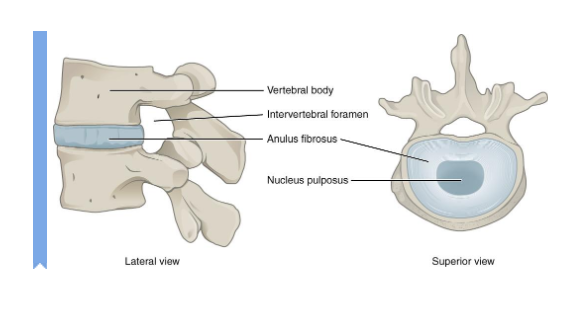
They are like a golf ball or a jelly donuts – lots of wrappings that surround a gel-like center.

They thicken during the nighttime and thin out as you walk and sit. That’s why you’re a little taller in the morning than you are at night. 

If they are stressed they might become brittle and tear.

What are they?body

If you said, “intervertebral discs,” go to the head of the class.

Discs are like pads that fit between your vertebrae. They help give your spine its curves. Except for the top vertebrae under your skull (your atlas), every spinal bone has a disc underneath it connecting it to and separating it from its vertebra neighbor.

The tough wrappings on the outside are called the annulus fibrosis and the inner gel-like center is called the nucleus pulposus.

If your intervertebral discs are damaged your entire spine can be thrown off-center, your nerves can become inflamed and you won’t have flexibility, strength and comfort. You may experience back pain, leg pain, sciatica and weakness.

Bone spurs and degenerative arthritis of the lumbar spine can develop and this is called degenerative disc disease (DDD). It doesn’t have to be part of growing older. To prevent DDD you need to keep yourself hydrated, stay physically active, and see your chiropractor to keep your discs free from stress!

Take care of your body

Don’t assume you need disc surgery merely because an MRI shows your discs are not well. Many people who have “normal” backs have MRIs that show disc herniations, degenerative changes and narrowed spinal canals. Just because you have symptoms doesn’t mean your disc is causing the problem.

Don’t just jump into surgery – always get other opinions – especially from a chiropractor or two.

In conclusion – get regular chiropractic adjustments to help keep your discs healthy.