
Winter Changes What the Body Needs
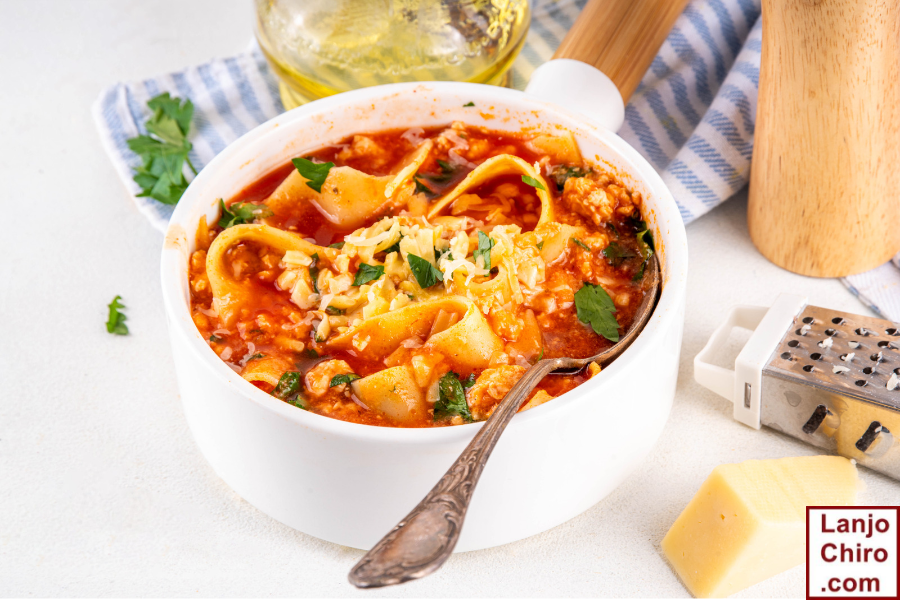
The body does not want a salad in November. That is not weakness or poor discipline. It is biology. As temperatures drop and daylight shortens, the body shifts into a metabolic mode that favors warmth, caloric density, and foods that support immune function through the year’s most demanding season. Traditional food cultures understood this intuitively. Modern nutrition science is confirming it with specificity.
Winter eating does not have to mean heavy, inflammatory comfort food. The warmest, most satisfying foods available in autumn and winter are also among the most anti-inflammatory and nutrient-dense on the planet. Root vegetables, legumes, slow-cooked meats, warming spices, and bone-based broths are not just culturally satisfying. They are physiologically appropriate for the season and well-supported by research.
The Foods Worth Building Around
Turmeric and ginger deserve their reputations. Curcumin, the active compound in turmeric, has been studied extensively for its anti-inflammatory effects; research published in Oncogene found it comparable to several pharmaceutical anti-inflammatories in suppressing inflammatory signaling pathways without the associated side effects.4 Adding a teaspoon of turmeric with black pepper, which increases curcumin absorption by up to 2000 percent, to soups, stews, and warm drinks is one of the simplest and most evidence-supported dietary habits available.
Lentils and legumes provide plant-based protein, prebiotic fiber, and minerals like magnesium, zinc, and iron that support immune function and nervous system health through winter. Fermented foods maintain their value in cold months, keeping the gut microbiome diverse and the gut-brain axis communicating clearly. Fatty fish remains one of the most powerful anti-inflammatory foods available regardless of season.
What to Pull Back On
The holiday season consistently pushes us toward refined sugar, alcohol, and ultra-processed convenience foods. Each directly drives inflammation, suppresses immune function, and disrupts the gut microbiome. None of this means abstinence. It means recognizing the cumulative effect and making deliberate choices instead of defaulting to whatever is available.
A winter diet built around whole, warming, nutrient-dense foods does not feel like deprivation. It feels like exactly what the body is asking for.
Follow us on Facebook for healthy recipes!